
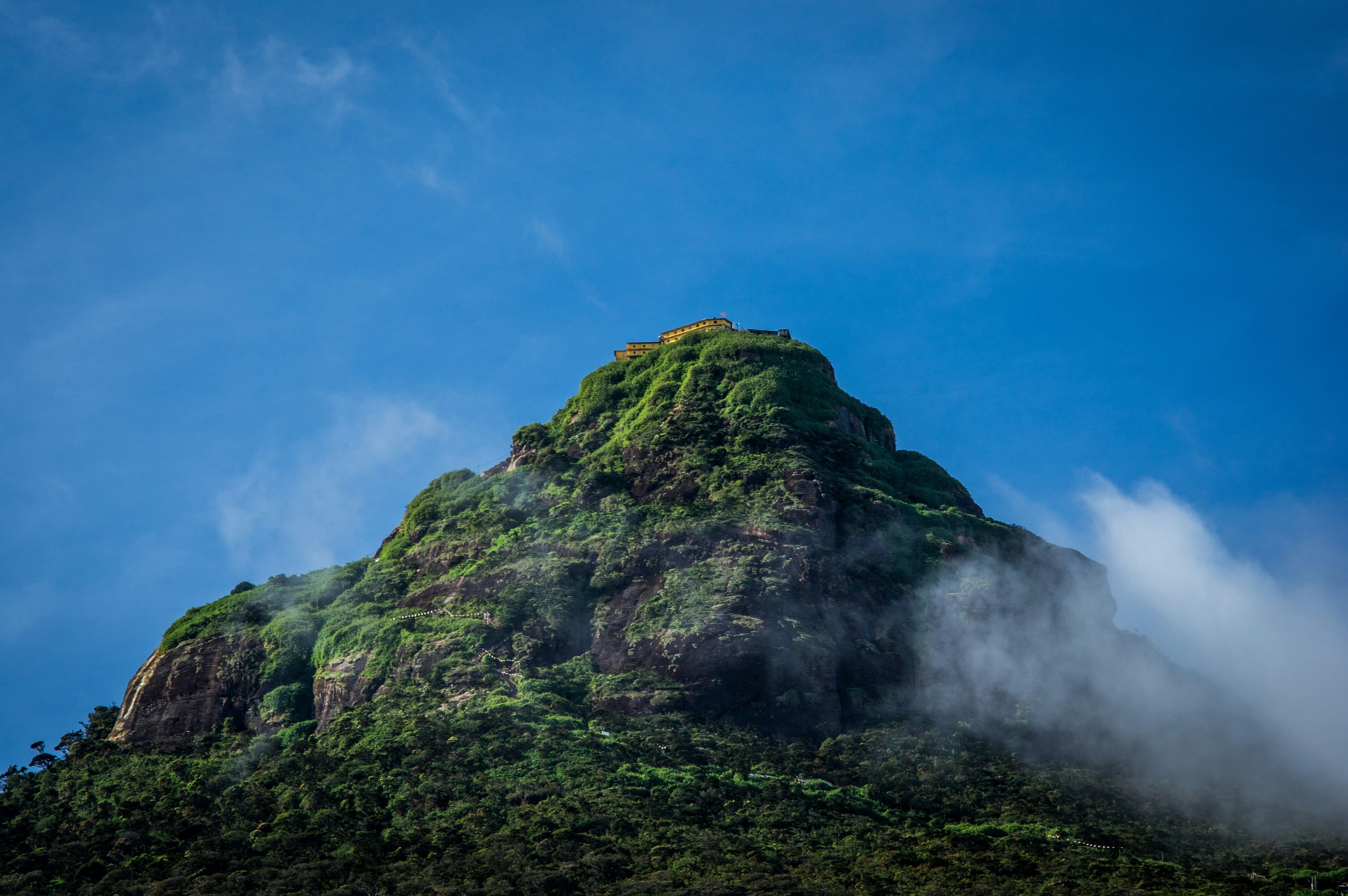
Adam's Peak / Sri Pada
Sacred Mountain of Four Faiths
Welcome to Adams Peak: Sri Lankas Most Sacred Mountain
Rising majestically to 2,243 meters above sea level, Adams Peak (Sri Pada) is not just Sri Lankas most sacred mountain - its a spiritual beacon that has drawn pilgrims from four major religions for over 1,000 years. This conical peak, crowned with a mysterious footprint-shaped depression, offers one of the worlds most profound spiritual and physical challenges.
Whether youre seeking spiritual enlightenment, physical adventure, or simply want to witness one of the worlds most spectacular sunrises, the climb to Adams Peak is a transformative experience that combines ancient pilgrimage traditions with breathtaking natural beauty.
Did You Know?
Adam's Peak is the 4th highest mountain above sea level in Sri Lanka, and the highest mountain when measured from the base to the summit, standing at 2,243 meters (7,359 feet) above sea level. In the past, climbing Sri Padha was no easy task. Before beginning the sacred journey to the summit, many people even handed over their property to their children unsure if they would ever return. Back then, there were no proper steps, handrails, or safety measures. The path was steep, wild, and dangerous. Some pilgrims never made it back, which shows just how deep their faith and devotion truly were. Today, the climb is much safer, but the spiritual spirit of those early pilgrims still lives on with every step to the top
Did You Know? Major rivers such as the Kelani, Kalu, and Walawe originate from the slopes of Adams Peak, making it a crucial watershed for the region.
The Sacred Footprint: Four Faiths, One Mountain
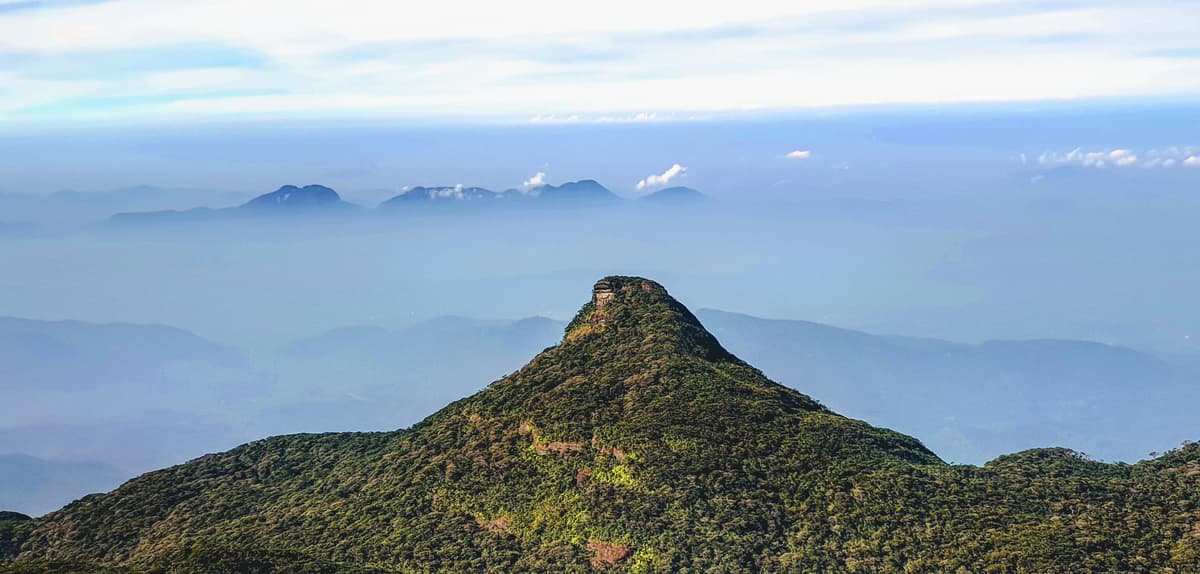
The sacred footprint at the summit - revered by four major religions
At the summit of Adams Peak lies a mysterious footprint-shaped depression in the rock, measuring 1.8 meters long. People believe that this is the Lord Buddha's footprint from his third visit to Sri Lanka. This sacred impression is revered by four major religions, each with their own interpretation of its divine origin.
Buddhism
Buddhas footprint left during his third visit to Sri Lanka
Islam
Adams footprint when he was cast out of paradise
Hinduism
Lord Shivas footprint during his cosmic dance
Christianity
St. Thomass footprint during his mission to India
Baghawa Lena (Diva Guhawa)
Located near the peak, this ancient cave has significant historical and spiritual importance. According to local tradition, it served as a resting place for pilgrims making their way to the sacred summit.
- Historical resting point for pilgrims
- Protected ancient site
- Accessible via the main pilgrimage path
God Saman: Guardian of the Sacred Mountain
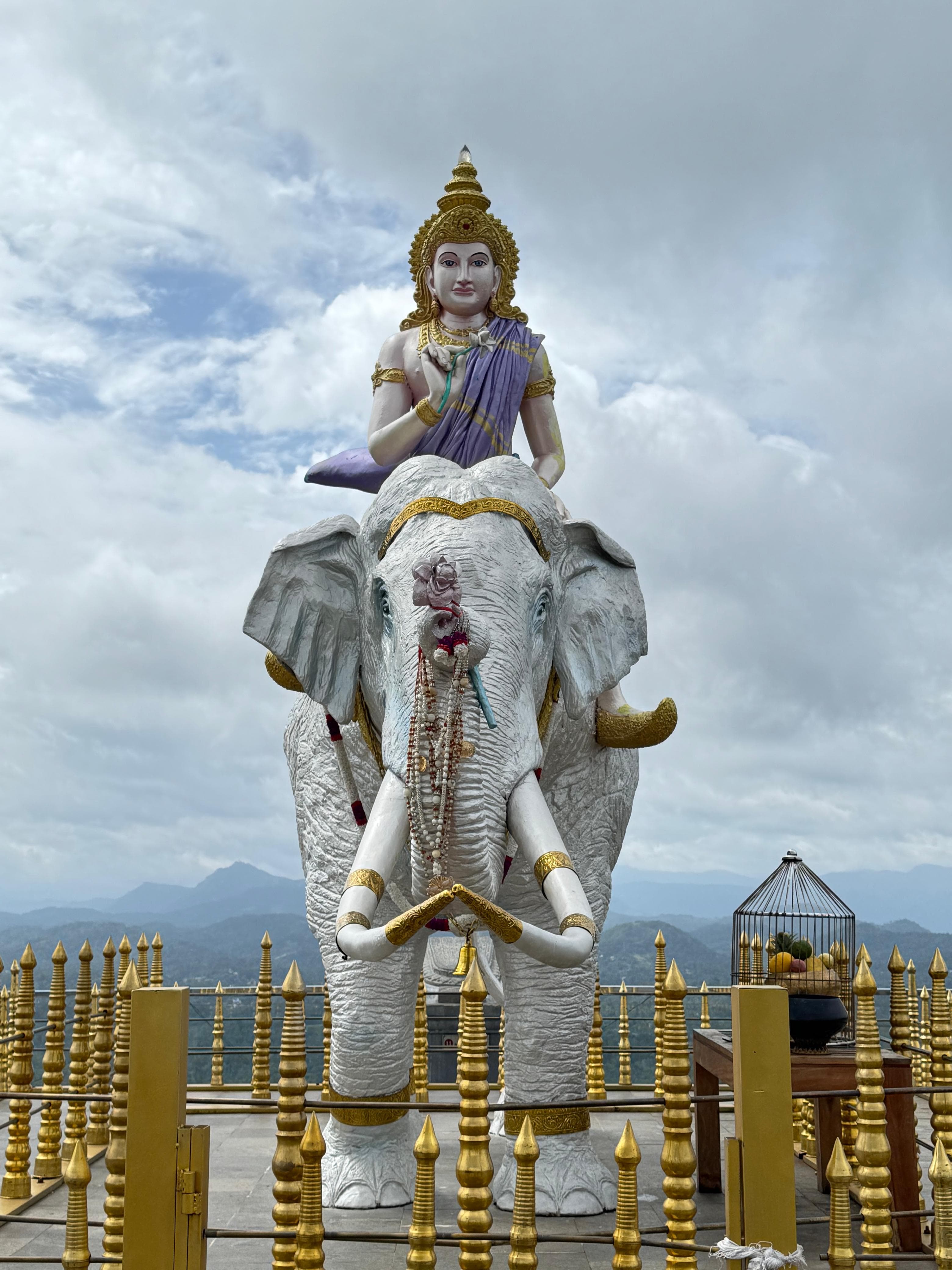
God Saman (Saman Deviyo) is the guardian deity of Sri Pada and the Sabaragamuwa region. According to Buddhist tradition, he was present when the Buddha visited Sri Lanka and was entrusted with protecting the sacred mountain and its surroundings, known as the Saman Adaviya.
Saman Adaviya Includes:
- The sacred peak and surrounding wilderness
- Ancient pilgrimage paths
- Sacred forests and waterfalls
- Traditional villages and temples
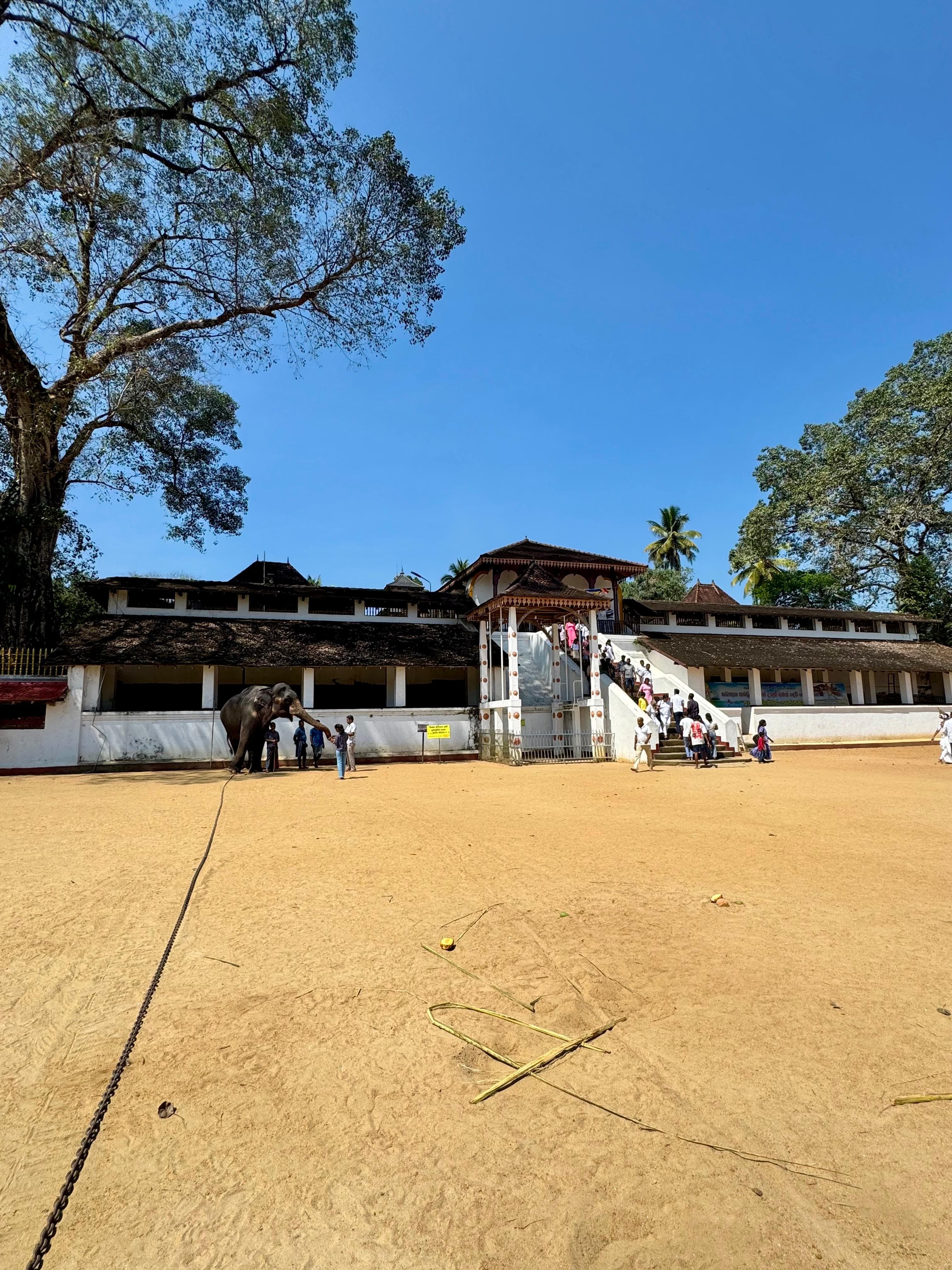
The Saman Devalaya in Ratnapura is the main temple dedicated to God Saman. Pilgrims traditionally seek his blessings before beginning their ascent to Sri Pada. The annual Esala perahera of the temple is a significant cultural event celebrating the deity's protection.
Sacred Perahera
- • Annual procession in July/August
- • Traditional dancers and drummers
- • Sacred elephant parade
- • Ancient rituals and ceremonies
Pilgrimage Season Experience
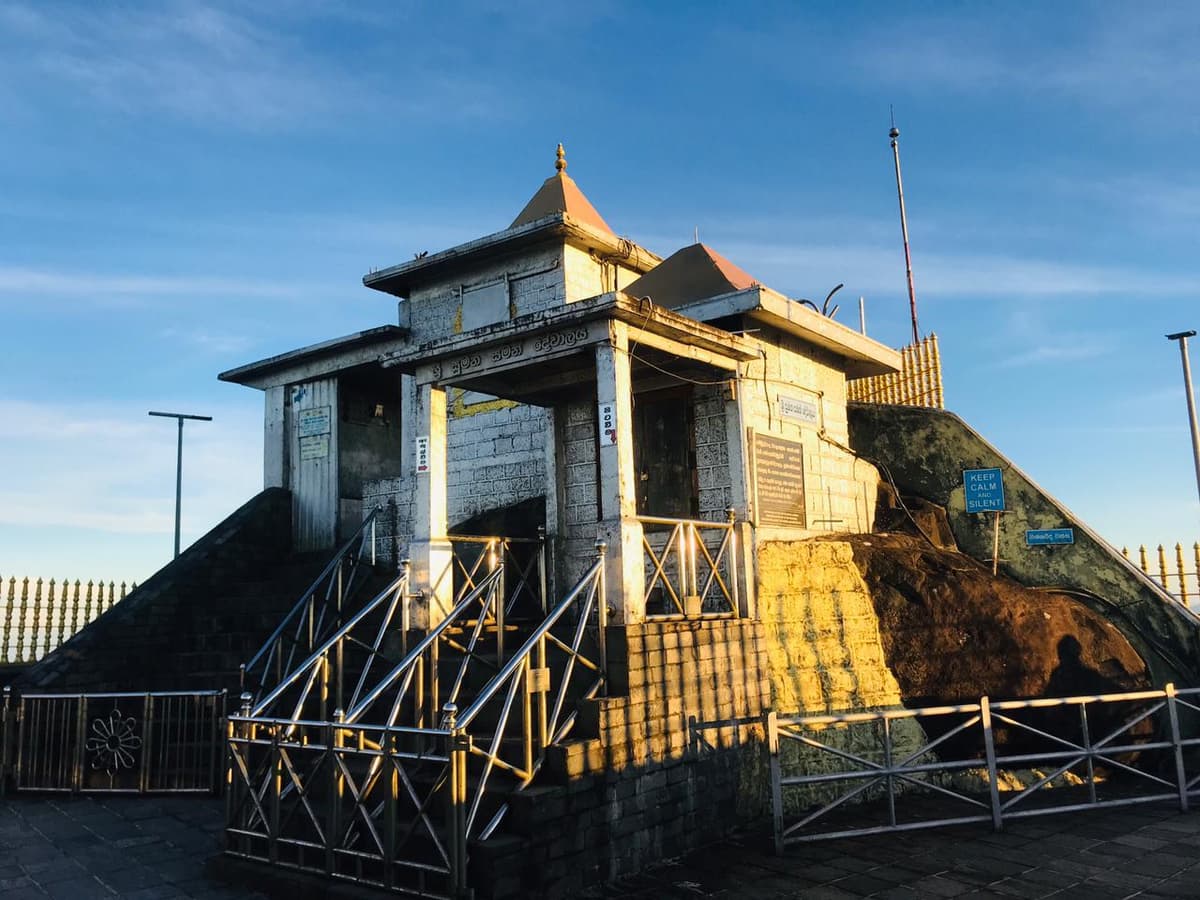
During pilgrimage season (December to May), Adams Peak transforms into a spiritual highway with thousands of pilgrims making the sacred journey. The path is illuminated with lights, tea stalls operate throughout the night, and the atmosphere is filled with devotional songs and chanting.
Pilgrimage Season Highlights:
- • Path illuminated with electric lights
- • Tea stalls and food vendors along the route
- • Free water and refreshments from volunteers
- • Devotional music and chanting
- • Thousands of pilgrims from all backgrounds
- • Special ceremonies at the summit
The experience during pilgrimage season is truly unique - youll be part of an ancient tradition that has continued for over 1,000 years, climbing alongside people from all walks of life united in their spiritual quest.
There is a another tradition on the top of the summit, pilgrims ring the bell to denote the times they have reached the peak.
Climbing Routes to the Summit
Three Main Routes to Sri Pada
There are three primary routes to reach the sacred summit, each offering unique experiences and challenges:
1. Hatton Nallathanniya Route
Distance: 5–6 km (Shortest)
Most popular and well-developed path with facilities
2. Ratnapura Palabaddala (Raja Mawatha)
Distance: Around 8.5 km
The route believed to be taken by Lord Buddha
3. Kuruwita Erantha Route
Distance: 12–13 km (Longest)
Challenging wilderness route through dense forest
Note: In addition to these main routes, there are several sub-routes such as Sadagala Thanna and others, though they are less commonly used and may require experienced guides.
Don't worry - there are rest houses called ambalamas along the way where you can take a break and have some tea and snacks. These ambalamas are run by local villagers who will be very happy to help you out, and you will find different ambalamas according to the route you take.
You can see special points like Seetha Gangula, Idikatu Paana, Haramithi Paana, and other landmarks along the way. Each and every point is related to a story from Buddha's hike to the summit.
Seetha Gangula
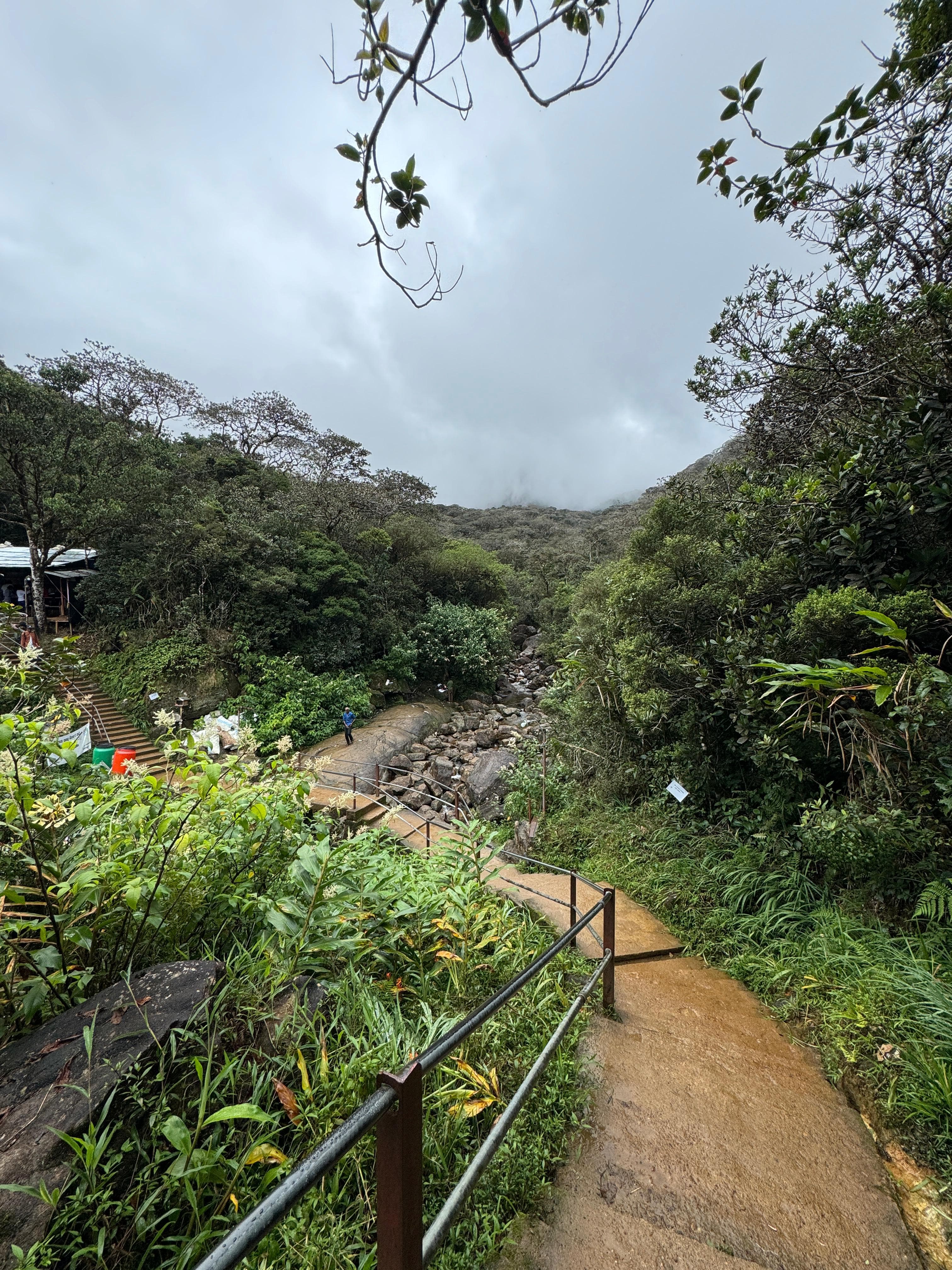
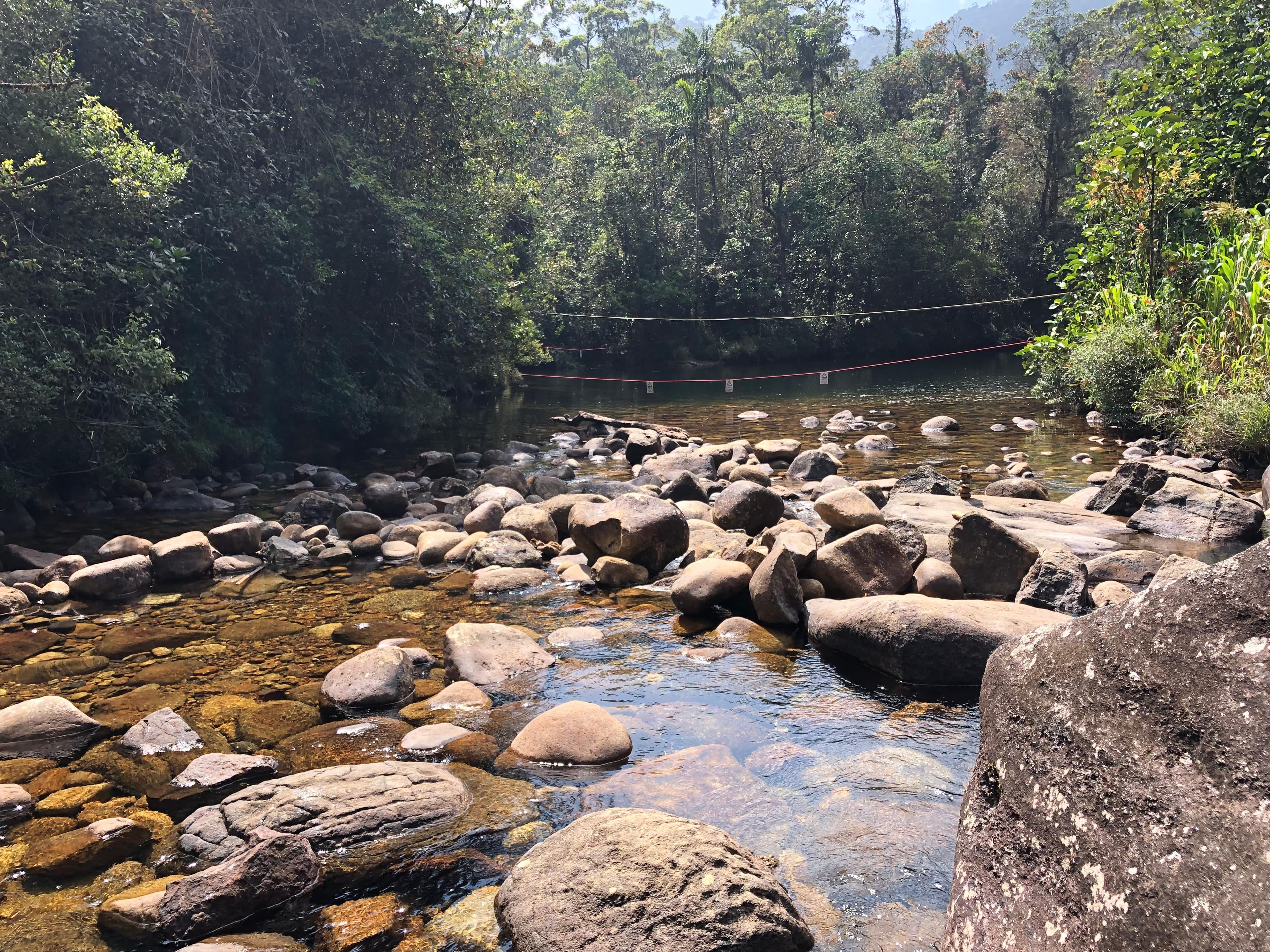
Known as the "Cold Stream," this is where the Buddha is said to have paused to refresh himself. The water here remains remarkably cool even during the hottest days, and pilgrims often stop to wash their faces in its rejuvenating waters.
Did You Know? Pilgrims believe that washing your face in Seetha Gangula's waters will help cleanse both body and mind for the sacred journey ahead.
Geththampaana/ Idikatupaana
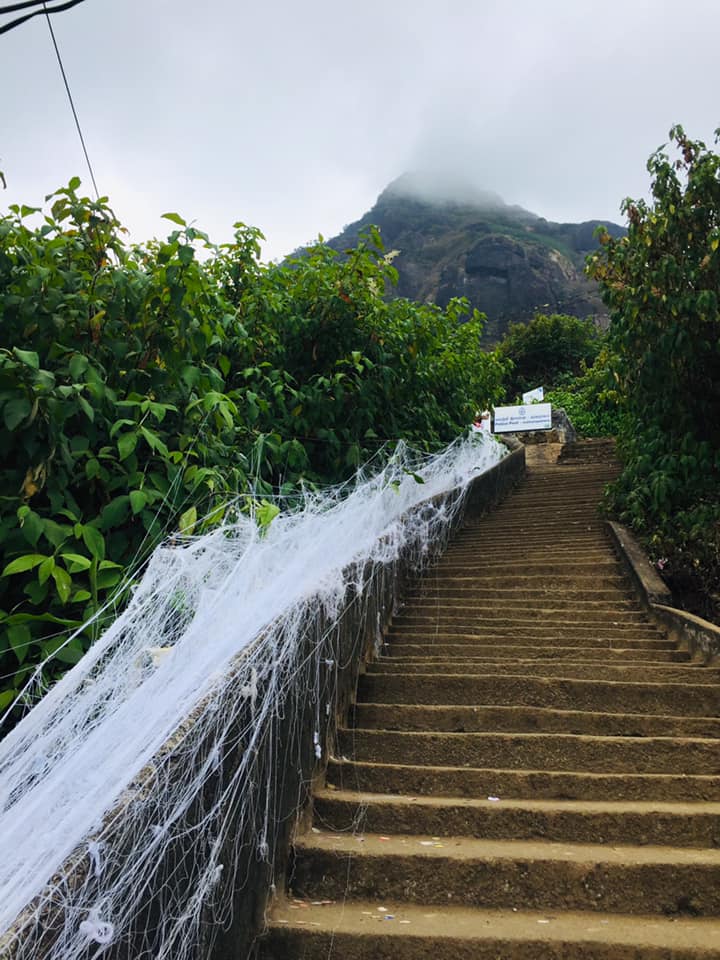
This location marks where the Buddha is believed to have tied his robe before beginning the final ascent to the peak. The name "Geththapana" refers to the act of tying or knotting, and it's considered a significant point of preparation on the pilgrimage route.
Haramithi Pana
this is where the Buddha is said to have rested and practiced meditation. The spot is marked by a distinctive rock formation and offers a natural resting place for weary pilgrims.
- Traditional meditation spot
- Natural rock shelter
Maha Giri Damba
This massive rock formation is where the Buddha is believed to have given a discourse to the deity Maha Saman. The name means "Great Rock Peak" and it offers spectacular views of the surrounding landscape.
This is also where, according to tradition, the Buddha explained to Saman Deviyo the importance of protecting the sacred mountain and its surroundings.
Pilgrim's Note
Each of these sacred points forms part of the traditional pilgrimage experience. Taking time to pause and reflect at these locations helps connect modern-day pilgrims with the ancient spiritual history of Sri Pada. Each and every point is a bit different from the path you selected but Lord Buddha selected the Rathnapura route to climb the mountain.

Starting from Nallathanniya (Dalhousie), this is the most popular and well-developed route. The path is illuminated during pilgrimage season and has rest stops, tea stalls, and basic facilities along the way.
- Distance: 7km, 2-4 hours climbing time
- Well-lit path during pilgrimage season
- Tea stalls and rest stops available
- Suitable for all fitness levels
- Can get very crowded during peak times
Buddist people belives Loard buddha came to foot print this mountain during his third visit to Sri Lanka, and used this route to climb the mountain. This route starts from Ratnapura and takes you through dense forest and wilderness areas. Its This route starts from Ratnapura and takes you through dense forest and wilderness areas. Its significantly longer and more challenging but offers a more authentic wilderness experience with fewer crowds.
- Distance: 15km, 6-8 hours climbing time
- Requires good fitness and experience
- Beautiful forest scenery and wildlife
- Much fewer crowds
- Guide recommended for safety
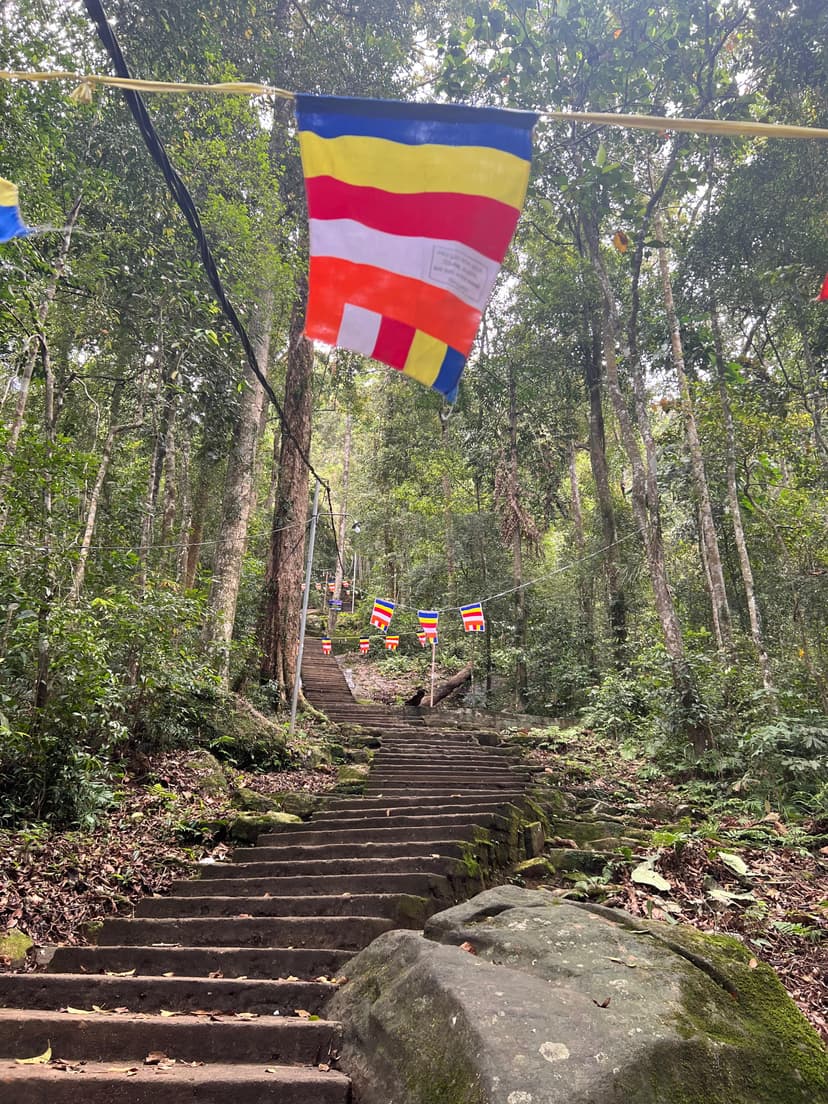
This route starts from Ratnapura and takes you through dense forest and wilderness areas. Its significantly longer and more challenging but offers a more authentic wilderness experience with fewer crowds.
- Distance: 15km, 6-8 hours climbing time
- Requires good fitness and experience
- Beautiful forest scenery and wildlife
- Much fewer crowds
- Guide recommended for safety
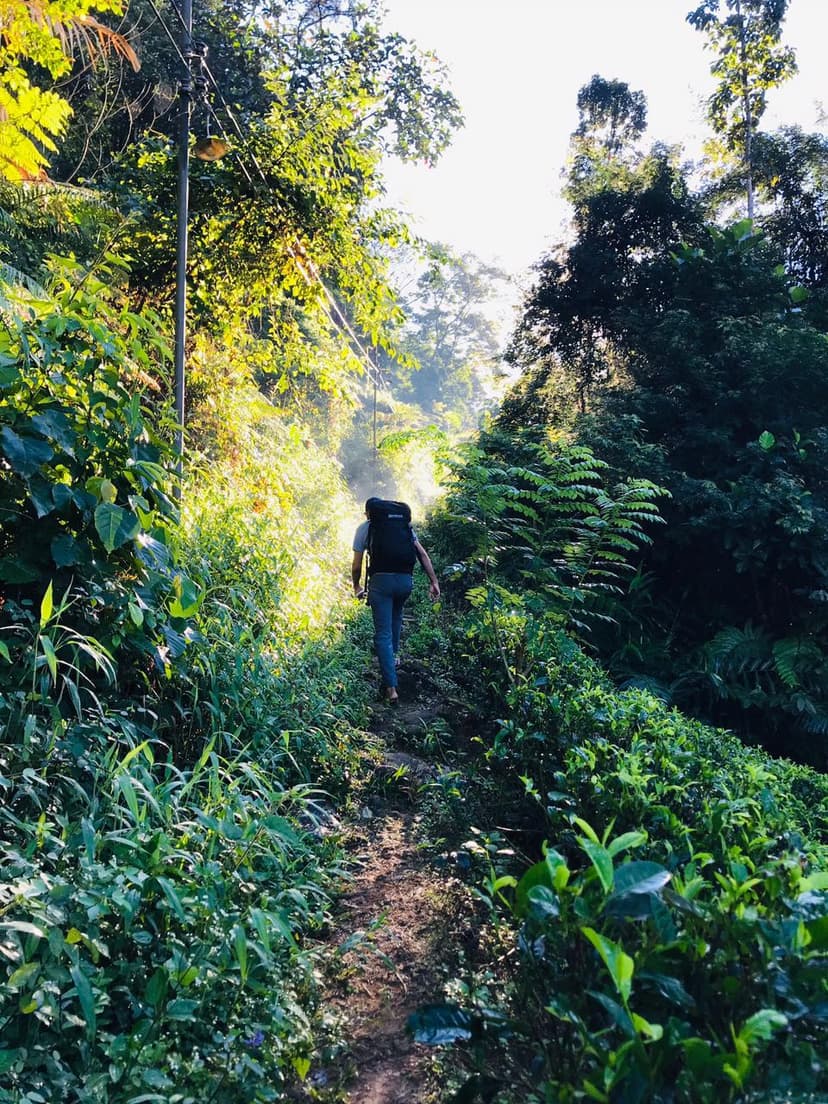
This route starts from Ratnapura and takes you through dense forest and wilderness areas. Its significantly longer and more challenging but offers a more authentic wilderness experience with fewer crowds.
- Distance: 15km, 6-8 hours climbing time
- Requires good fitness and experience
- Beautiful forest scenery and wildlife
- Much fewer crowds
- Guide recommended for safety

The Magical Sunrise Experience
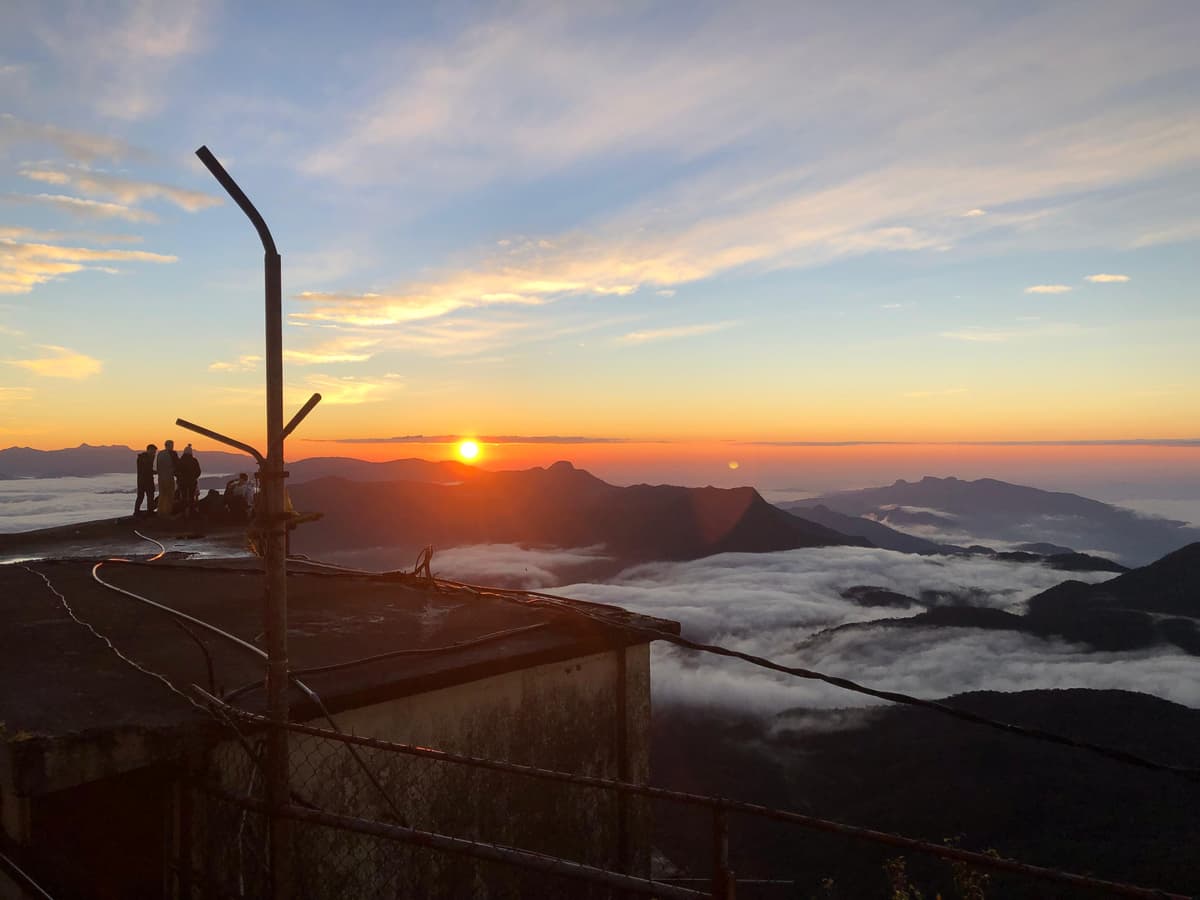
The sunrise from Adams Peak is considered one of the worlds most spectacular. Locals called it the "Ira Sewaya." As the first rays of sunlight hit the summit, the mountain casts a perfect triangular shadow across the landscape - a phenomenon that has amazed visitors for centuries.
During clear weather, you can see for miles in every direction, with views stretching to the coast on one side and the central highlands on the other. The moment when the sun breaks the horizon and illuminates the sacred footprint is truly magical.
Best Photography Tips:
- • Arrive 30 minutes before sunrise
- • Bring a tripod for stable shots
- • Capture the mountains shadow
- • Take photos of fellow pilgrims
- • Dont forget the sacred footprint
Kunudiya Pawwa
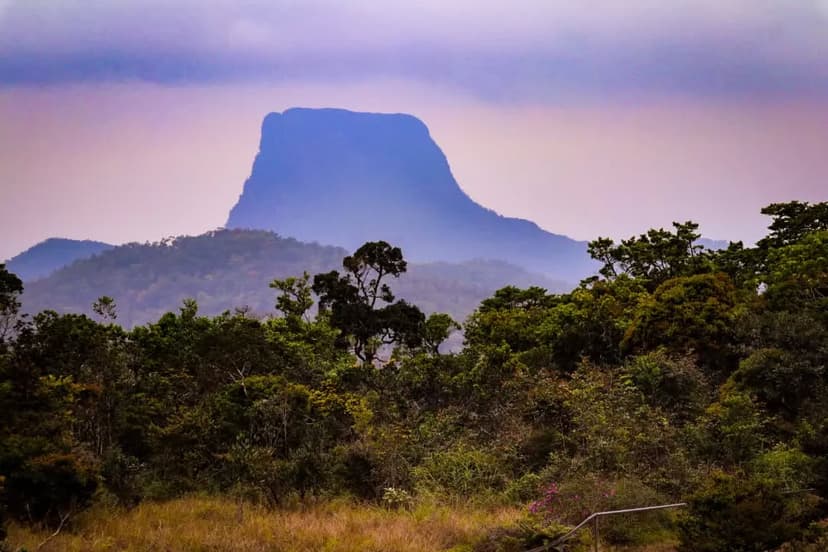
A significant rock formation along the pilgrimage path where, according to tradition, pilgrims would stop to dry their wet clothes. The name "Kunudiya" refers to the warmth of the rock even during cold weather.
- Traditional resting point
- Unique geological formation
- Historical significance
Dharmarajagala
Dharmarajagala is a significant rock formation and sacred site located along the Rathnapura Palabaddala pilgrimage route to Sri Pada. According to Buddhist tradition, this is the spot where Lord Buddha preached the Dhamma (teachings) to the deity Saman, who is the guardian of Adam's Peak. The site is marked by a small shrine and is considered a spiritually powerful point on the ascent, where many pilgrims pause to offer prayers before continuing their journey upward.
- Site where Buddha is said to have preached to God Saman
- Small shrine maintained by pilgrims along the route
- One of the most sacred waypoints on the Ratnapura route
Did You Know? God Saman (Sumana Saman) is one of the four guardian deities of Sri Lanka and is specifically believed to reside on and protect Adam's Peak. His Devalaya (temple) at the base of the mountain in Ratnapura is visited by pilgrims before beginning the climb.
Complete Climbing Guide
For Sunrise (Recommended)
- • Start: 2:00-3:00 AM from Nallathanniya
- • Reach summit: 5:30-6:00 AM
- • Sunrise: 6:00-6:30 AM (varies by season)
- • Descent: 7:00 AM onwards
Alternative Timings
- • Afternoon climb: Start 2:00 PM, overnight at summit
- • Day climb: Start 6:00 AM, return by evening
- • Full moon nights: Popular for night climbing
Peak Season: December to May when weather is clear and paths are little crowded. Avoid monsoon season (June to September) due to slippery paths and poor visibility.
There can be venomous creatures and elephants on the route, especially except Hatton Nallathanniya.
Follow the links to get to know about the most venomous snakes in Sri Lanka.
Learn more about venomous snakesEssential Items
- • Warm clothing (temperature drops to 5°C)
- • Good hiking shoes with grip
- • Headlamp or flashlight with extra batteries
- • Water (2-3 liters per person)
- • Energy snacks and light meals
- • Rain jacket (weather can change quickly)
Optional Items
- • Walking stick for support
- • Camera for sunrise photos
- • Small blanket for summit wait
- • First aid kit
- • Cash for tea stalls and donations
Safety Guidelines & Preparation
Getting to Adams Peak
From Colombo
4-5 hours by car via Avissawella and Hatton. Public buses available but take longer.
From Kandy
3-4 hours by car via Gampola and Hatton. Regular bus services available.
From Nuwara Eliya
2-3 hours by car via Hatton. Most convenient base for the climb.
Tip: Stay overnight in Nallathanniya or nearby Hatton before climbing
Nallathanniya
- • Basic guesthouses and rest houses
- • Very close to trailhead
- • Limited facilities but convenient
Hatton
- • Better hotel options available
- • 30 minutes drive to trailhead
- • More restaurants and facilities
Nuwara Eliya
- • Luxury hotels and resorts
- • 2-3 hours drive to trailhead
- • Can combine with tea country tour
Climbing Adams Peak is more than just a physical challenge - its a spiritual journey that connects you with centuries of pilgrims who have made this sacred ascent. Whether youre seeking spiritual enlightenment, personal achievement, or simply want to witness one of natures most spectacular sunrises, this climb will leave you transformed.
Remember that this is a sacred site for millions of people. Approach your climb with respect, patience, and an open heart. The physical challenge is significant, but the spiritual and emotional rewards are immeasurable. Take time to appreciate not just the destination, but the incredible journey and the fellow pilgrims who share this ancient path with you.
May your journey to the sacred summit bring you peace, wonder, and unforgettable memories! 🏔️🌅🙏