Tourism Hotline: 1912
Sri Lanka’s Premier Wildlife Safari Destination
Get ready for the wildlife adventure of a lifetime! Yala National Park is Sri Lanka's most visited second largest national parks, known for having the highest leopard density in the world. This roughly 979-square-kilometer wilderness sanctuary is home to an incredible diversity of wildlife, from majestic elephants and elusive leopards to colorful birds and ancient ruins.
Whether you're a wildlife photographer, nature enthusiast, or adventure seeker, Yala offers an unforgettable safari experience where every game drive brings the possibility of extraordinary wildlife encounters in one of Asia's most biodiverse ecosystems.
🌟 Recommended: Ceylanka tours offers reliable, comfortable vehicles with experienced drivers who know the best routes to Yala National Park. Professional service, fair pricing, and excellent local knowledge make them a top choice for hassle-free travel.
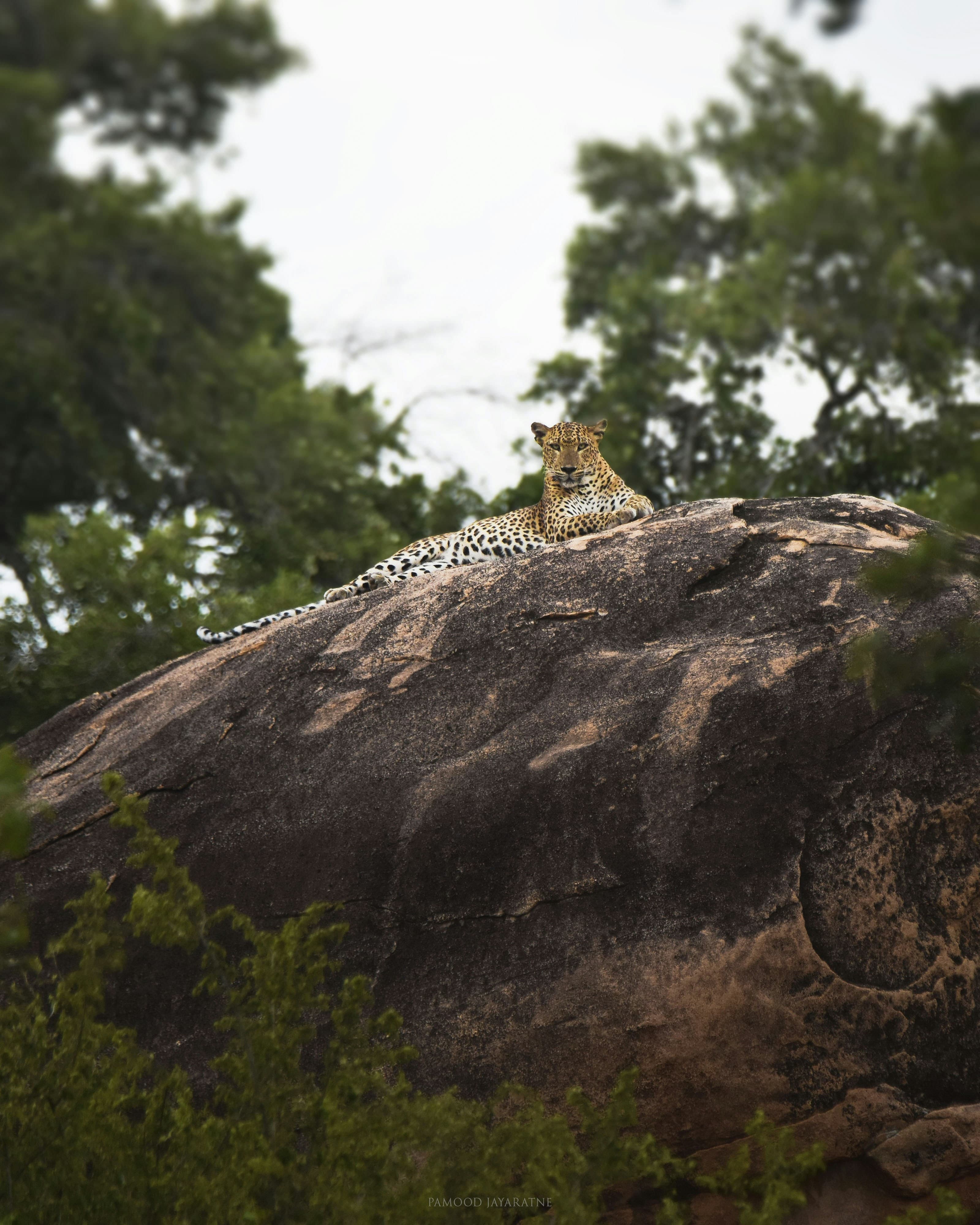
The Sri Lankan leopard (Panthera pardus kotiya) is a majestic subspecies endemic to Sri Lanka. As the island' apex predator, it has evolved unique characteristics that set it apart from other leopard subspecies. These powerful cats play a crucial role in maintaining the ecological balance of Yala's diverse ecosystem. They are very good at climbing trees and often rest on tree branches during the heat of the day.
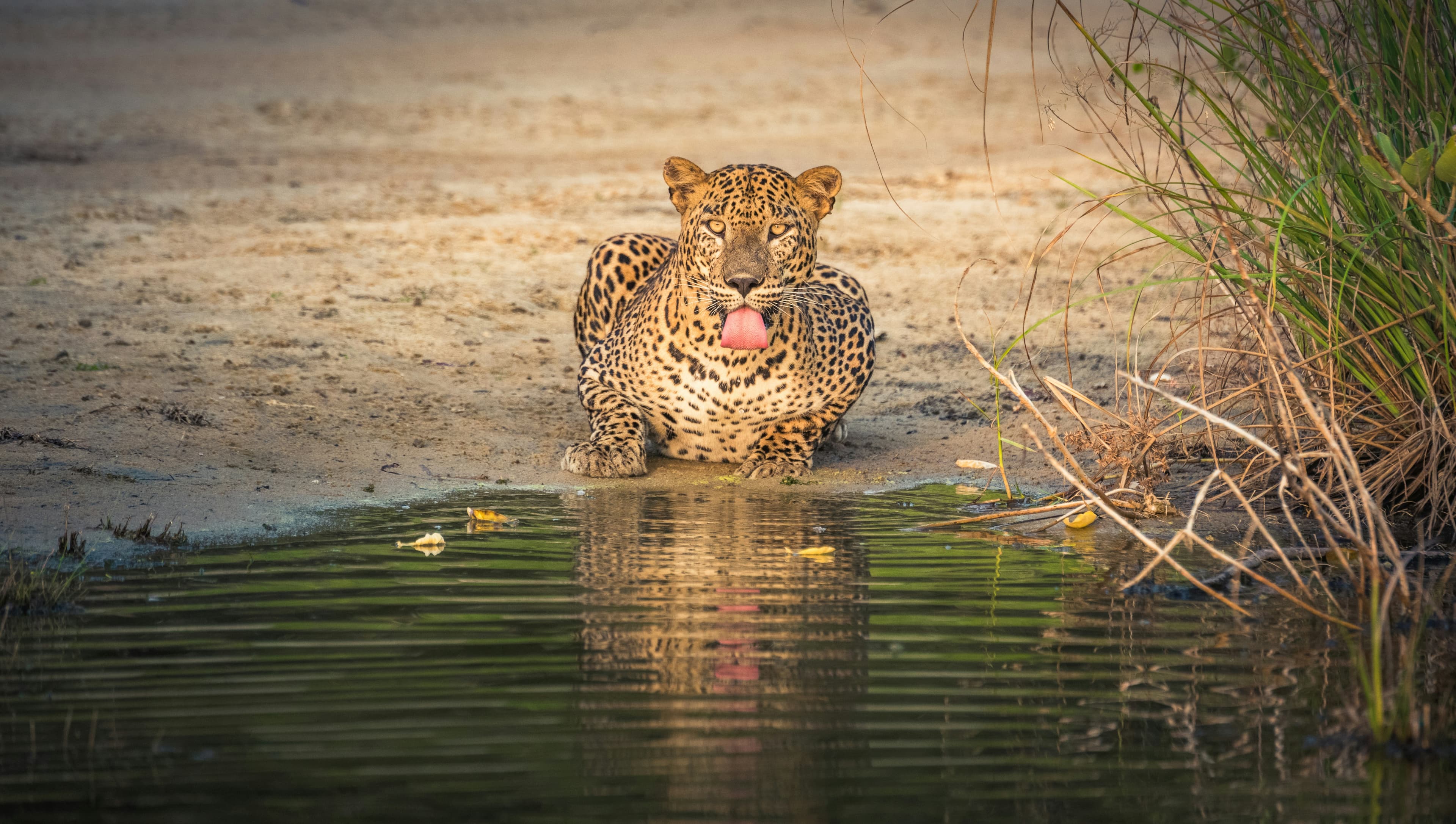
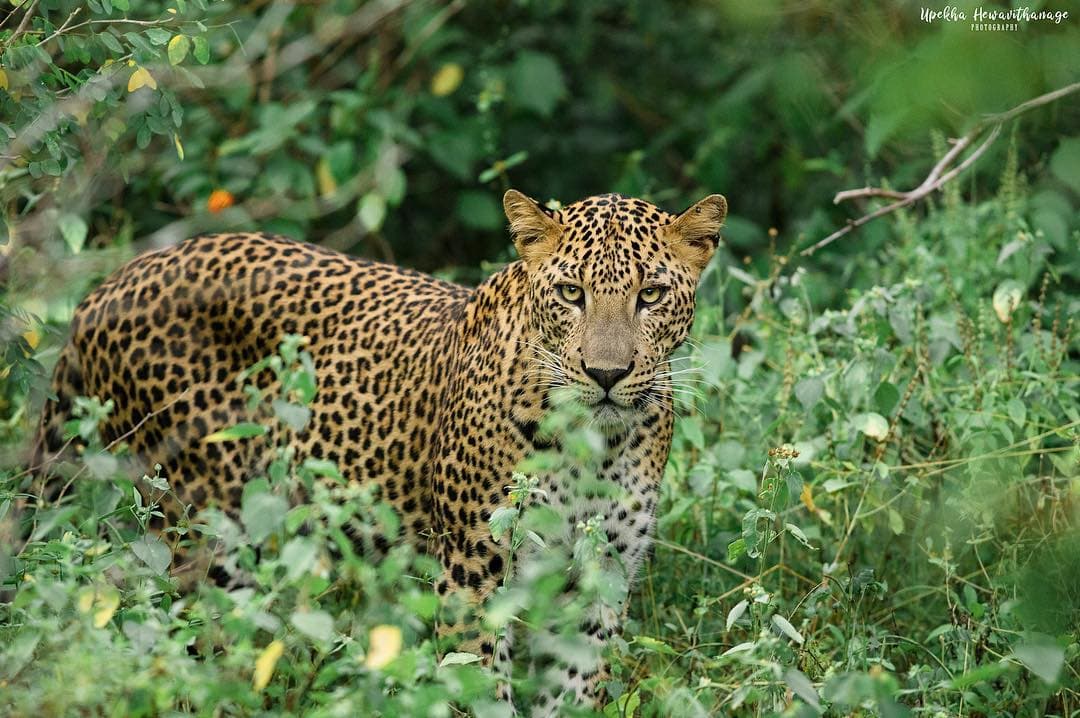
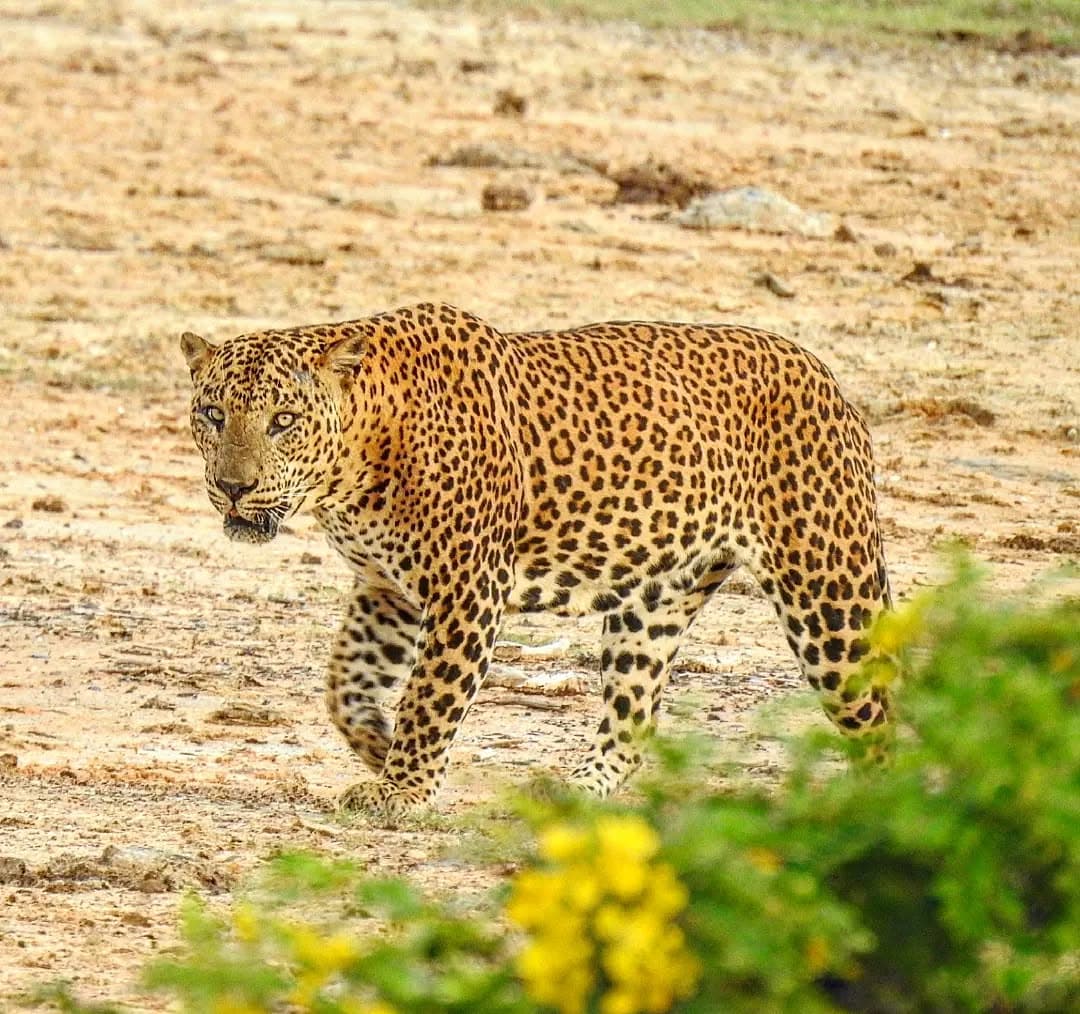
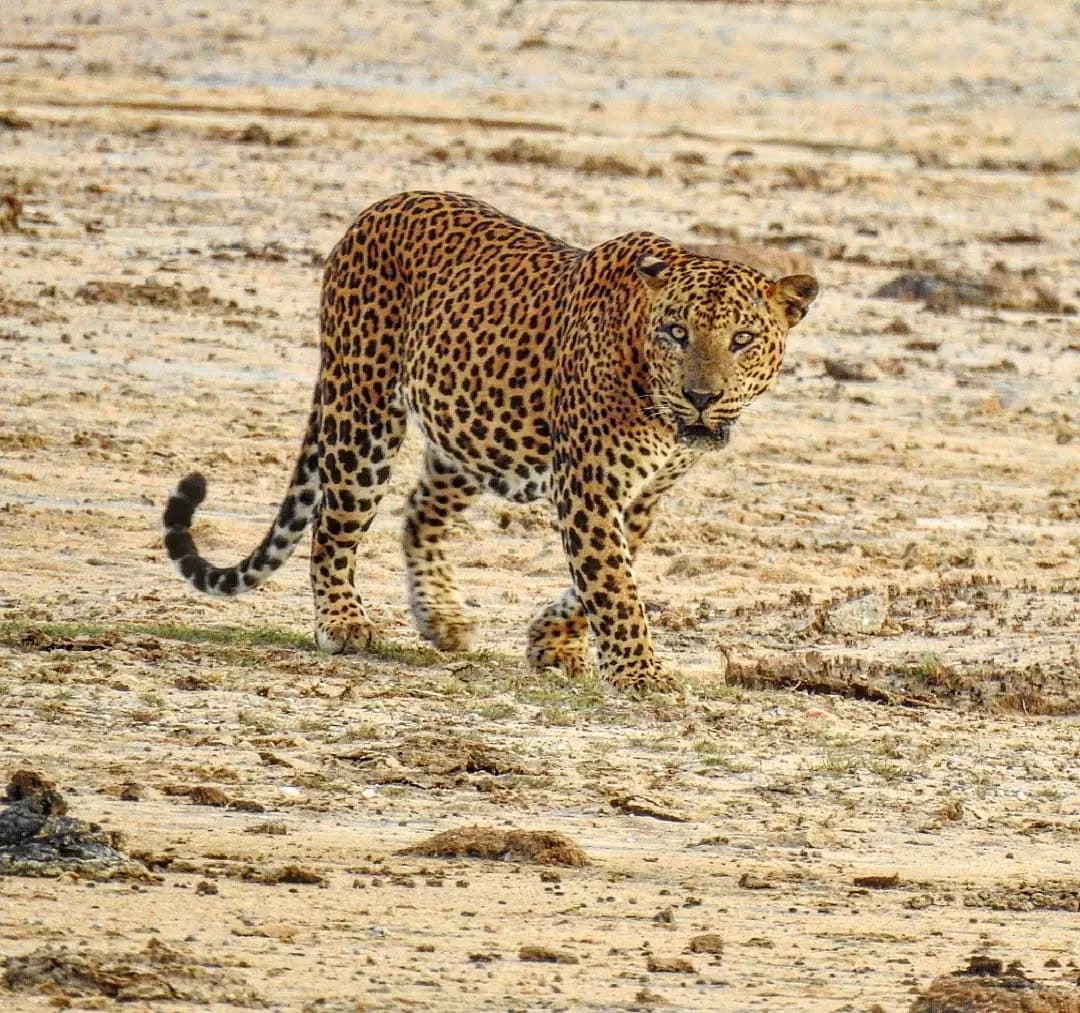
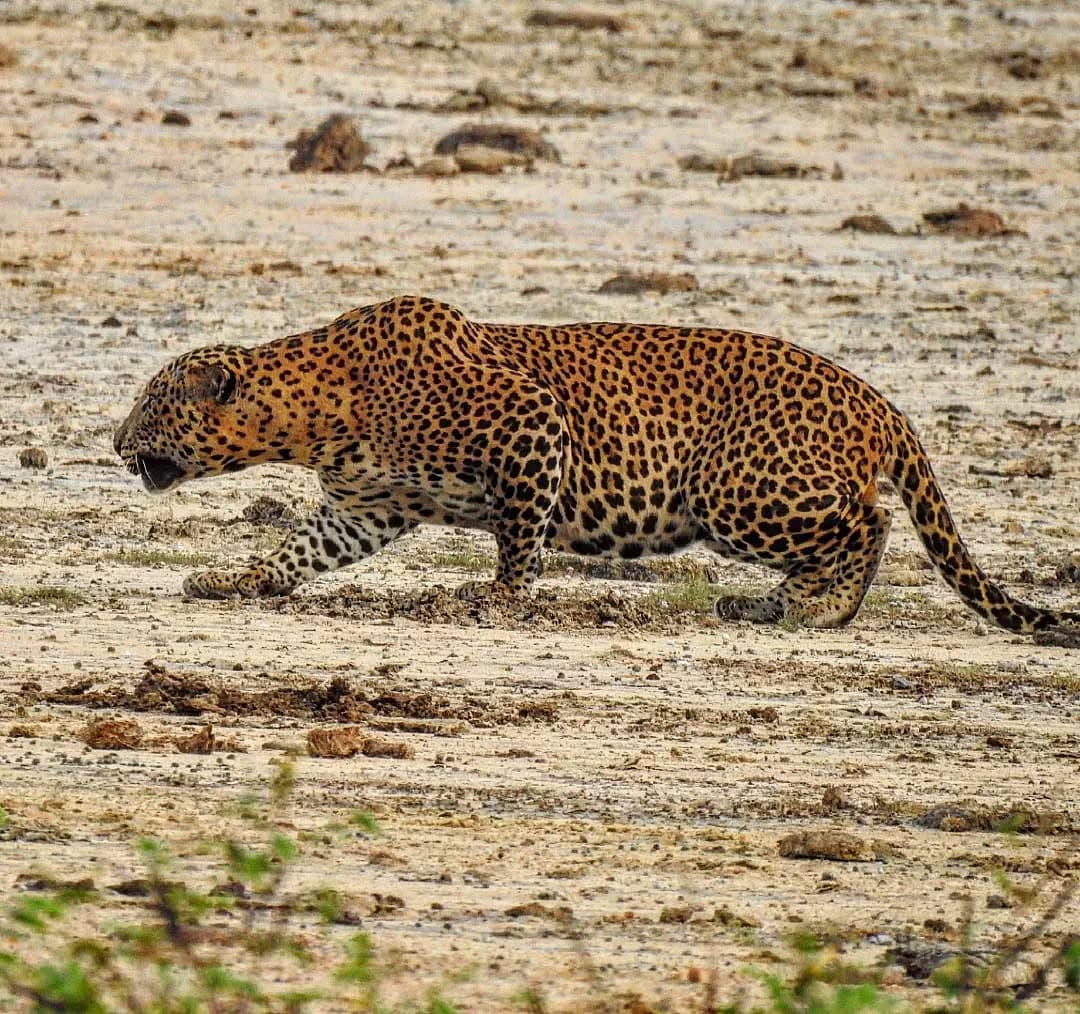
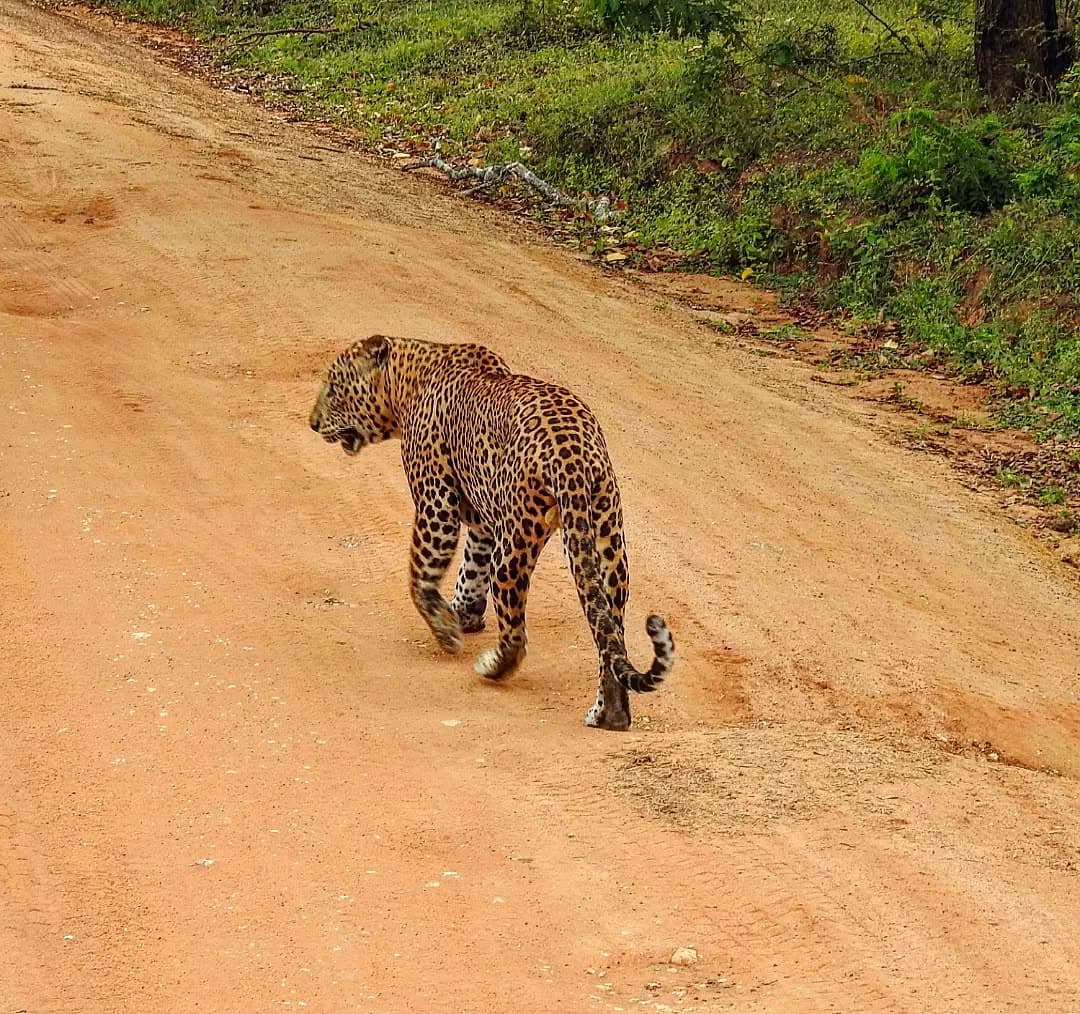
Yala is world-renowned for its leopard population, known for having the highest leopard density in the world. These magnificent big cats are larger than their African and Asian counterparts, with males weighing up to 77kg. Unlike other leopard populations, Yala’s leopards are often active during daylight.
If you are very lucky, you may spot a rare black(melanistic) Sri Lankan leopard in Yala. These dark-coated leopards are uncommon and highly elusive. Melanism is a genetic trait documented in leopards (Panthera pardus), where higher pigment levels make the coat appear nearly black.
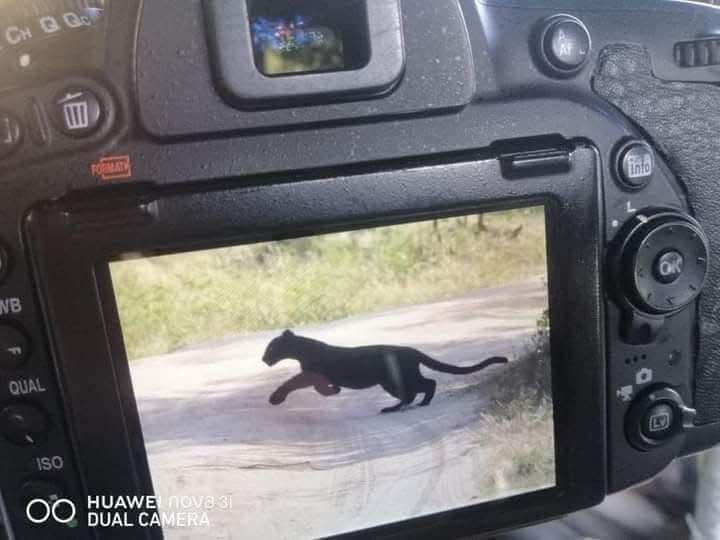
Their rosette patterns are still visible in bright sunlight, appearing as dark spots against their jet-black coat
Melanism is uncommon in wild leopard populations and remains especially rare in Sri Lanka
Their dark coloration provides superior camouflage during nighttime hunting
Known as ‘Kalu Kotiya’ in Sinhala, they hold a special place in Sri Lankan folklore
While extremely rare, there have been confirmed sightings in Yala's Block I and the surrounding regions
One of Yala's most photographed and recognizable features is Elephant Rock, locally known as "Ath Gala" (ඇත් ගල) in Sinhala, which translates to "Elephant Stone." This massive natural rock formation earned its name due to its striking resemblance to an elephant's head when viewed from certain angles, complete with what appears to be a trunk-like protrusion.
Location & Significance: Situated near the coastal area of Yala Block 1, Elephant Rock stands as a prominent geological landmark that serves multiple purposes:
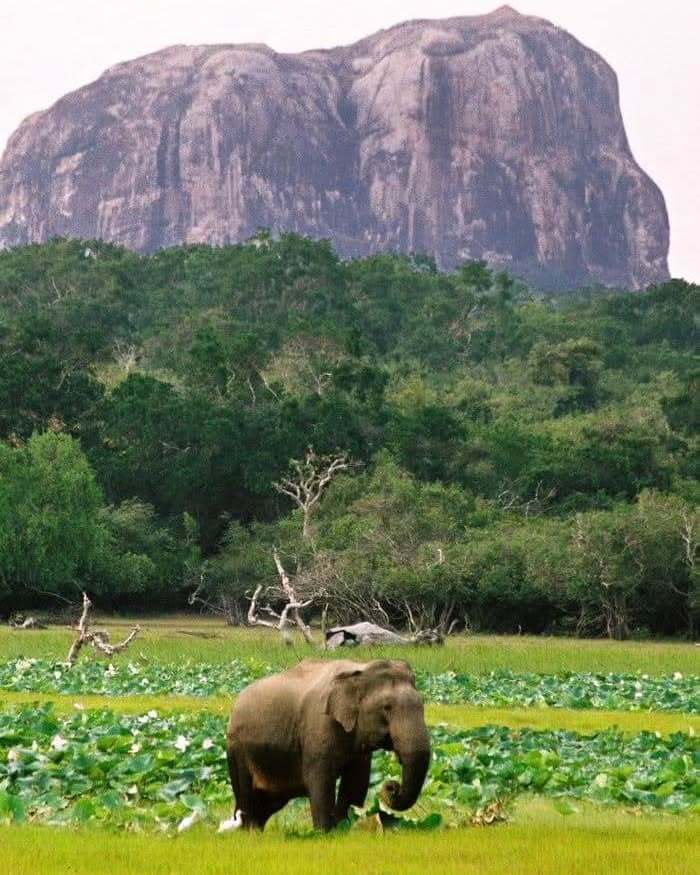
The iconic Elephant Rock (Ath Gala) - shaped by nature over millions of years
Best Time to Visit: Early morning and late afternoon usually offer the best light for photography and good chances of elephant encounters. During drier months, elephant herds often congregate near nearby water sources, creating unforgettable experiences where nature's living giants meet their ancient stone counterpart!
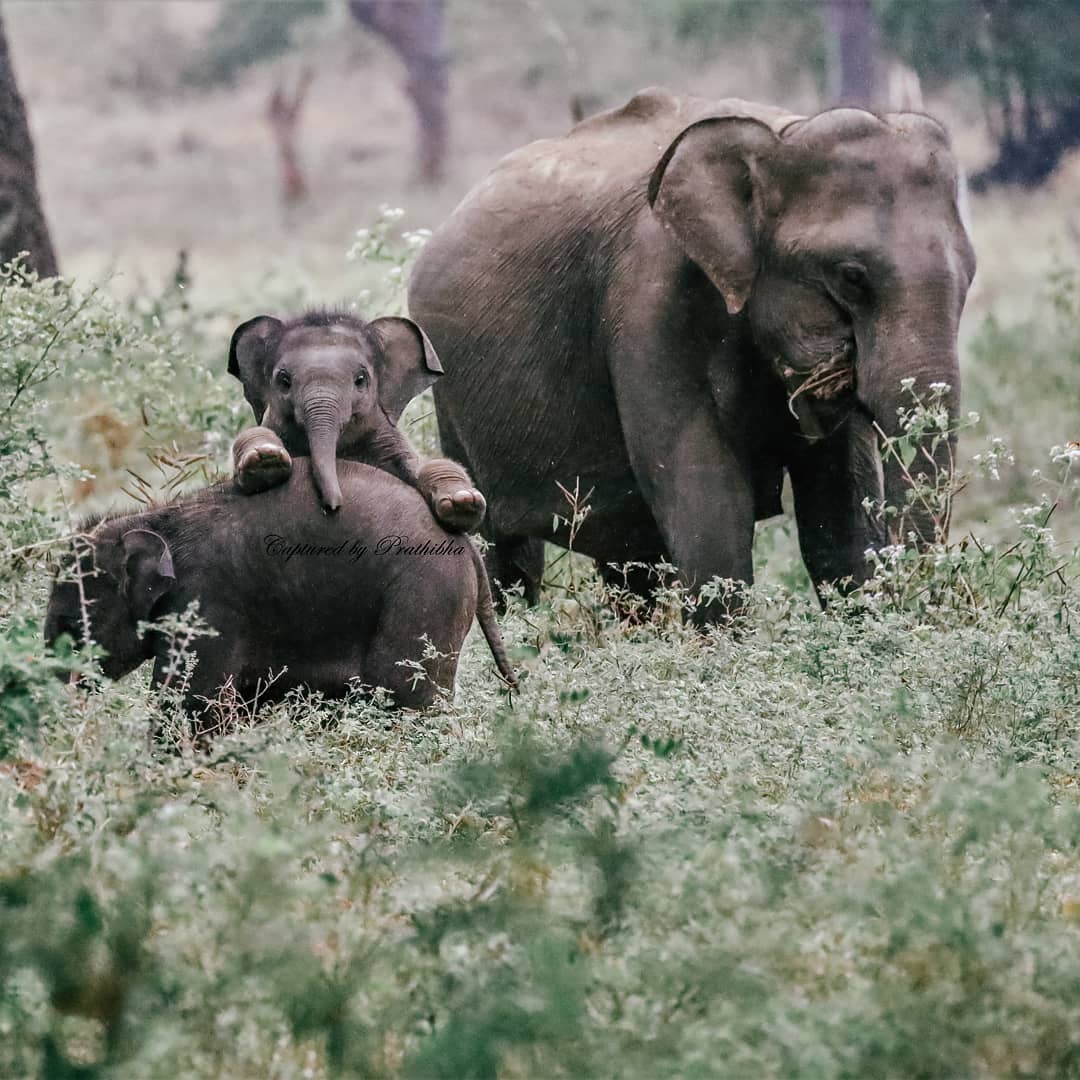
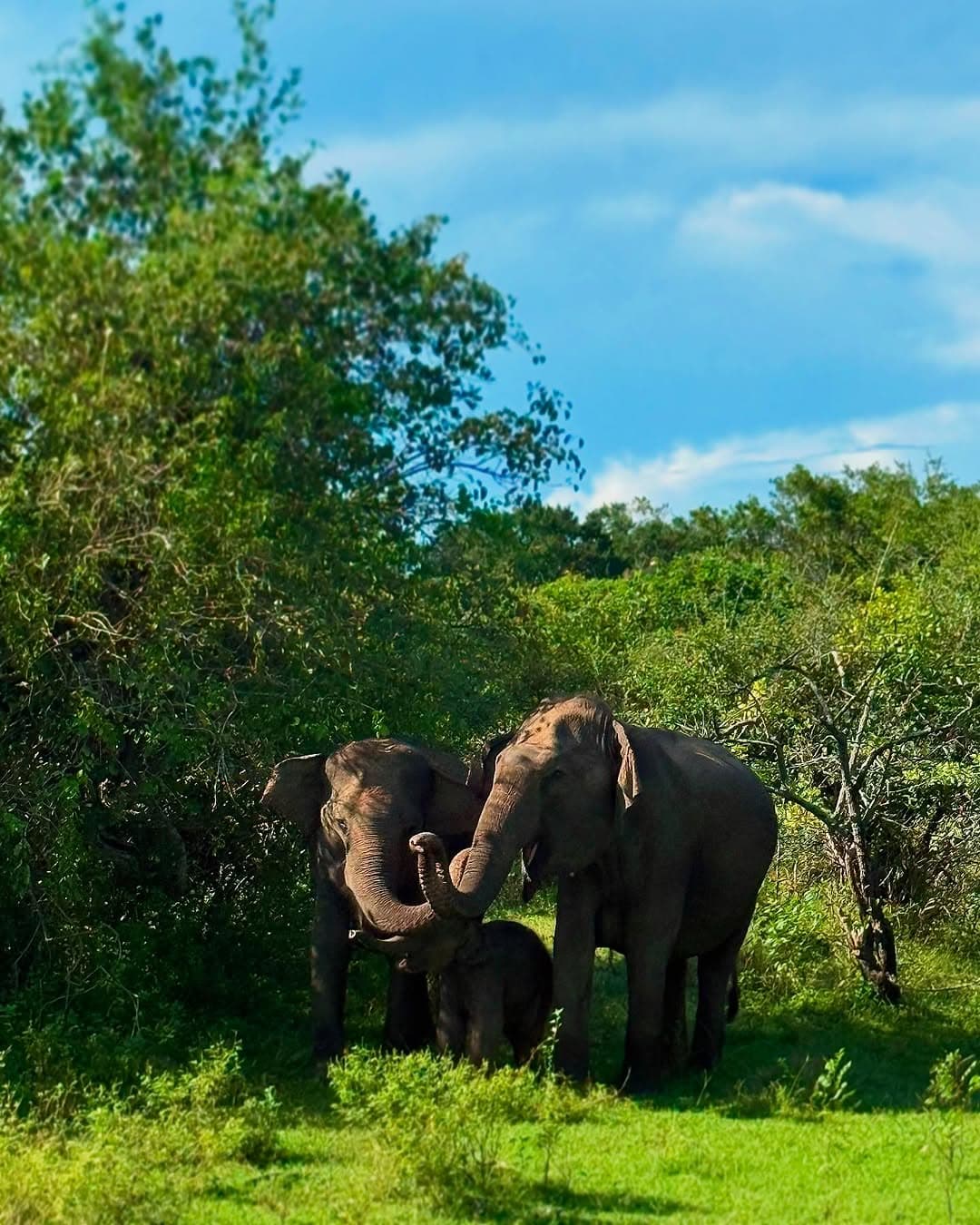
Yala National Park is home to significant populations of Sri Lankan elephants, generally regarded as the largest Asian elephant subspecies. These intelligent pachyderms can be observed year-round, with the best viewing opportunities during the dry season when they gather around water holes.
In Sri Lankan elephant society, the term "Thun Path Rana" refers to the three-generation family structure that forms the core of each herd. This consists of:
Young male elephants naturally separate from the herd around 12-15 years of age, a process known as "dispersal." These males then either live solitary lives or form loose bachelor groups, only returning to the herds during mating season. This natural behavior helps prevent inbreeding and maintains genetic diversity.
Yala is home to approximately 300-350 elephants, making it one of the best places in Sri Lanka to observe these magnificent creatures. You’ll often encounter large herds, especially near water sources during the dry season.
The Sri Lankan sloth bear (Melursus ursinus inornatus) is a subspecies found only in Sri Lanka and is a unique and fascinating creature. Despite their name, they are not related to sloths but earned the name due to their long, curved claws and occasional hanging behavior in trees.
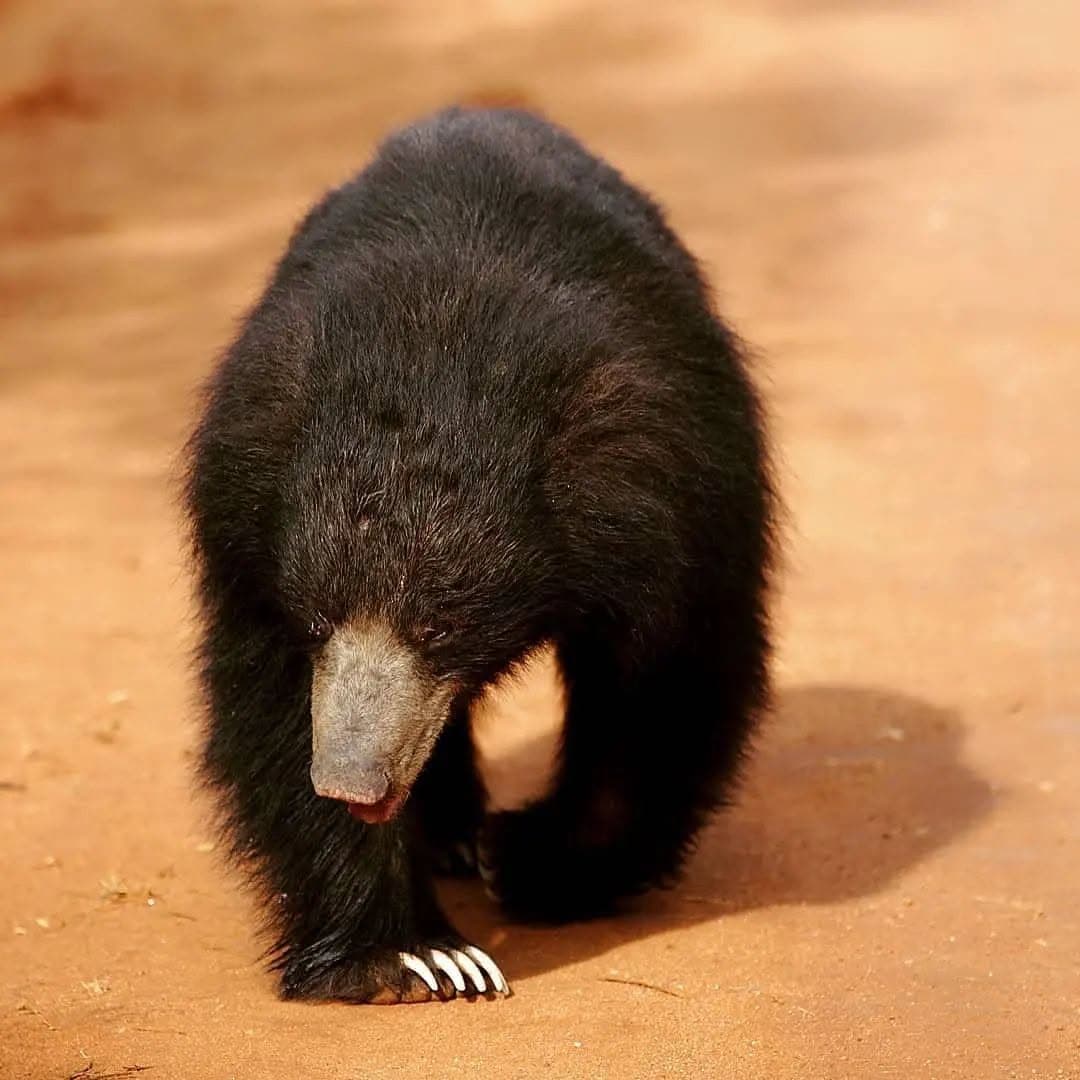
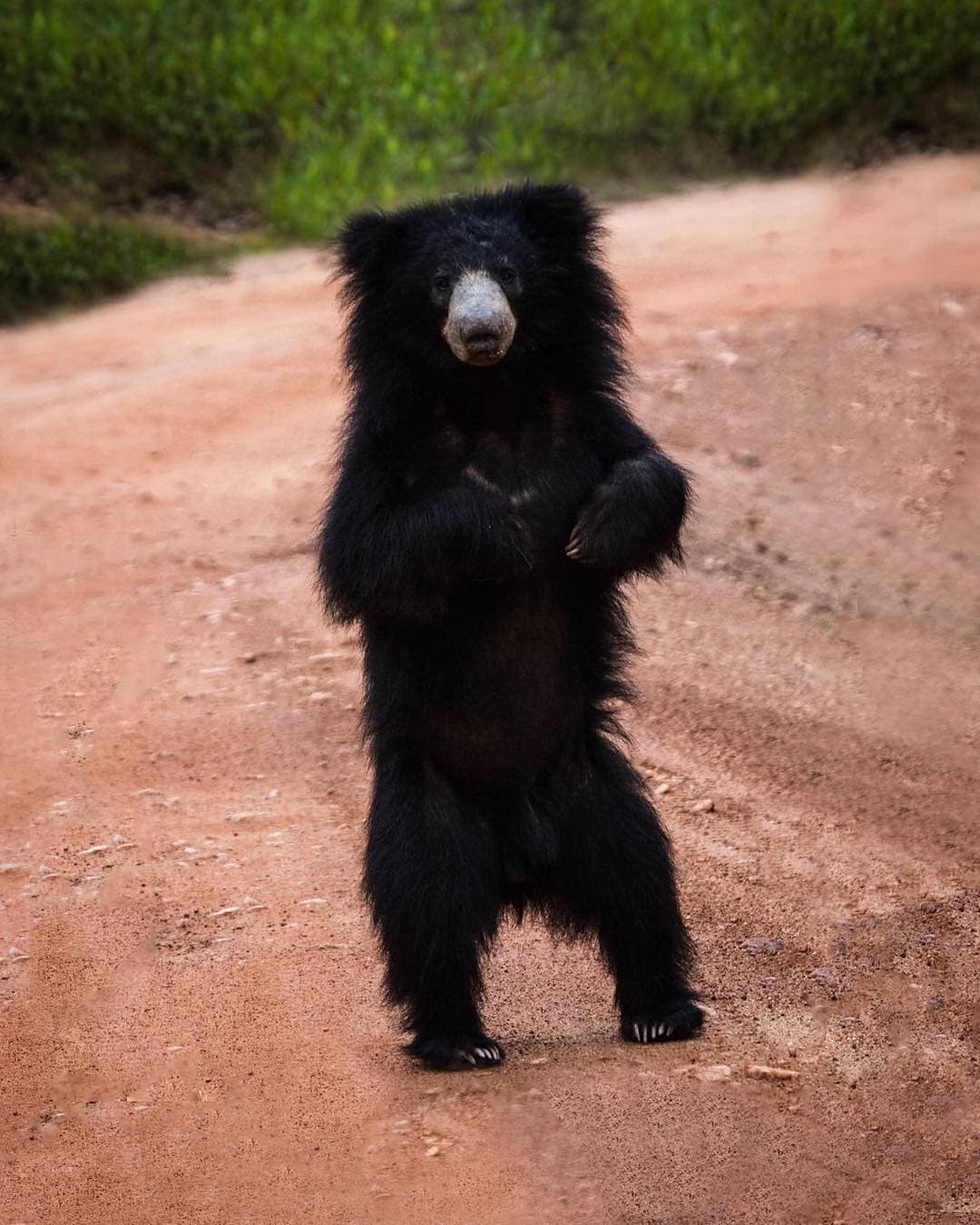
Yala's Sloth Bears are fascinating creatures known for their unique feeding habits and behavior. These adaptable bears have evolved specialized features for their diverse diet, which includes termites, ants, fruits, and their favorite - honey, earning them the nickname "Bambaru Walaha" (honey bear) in Sinhala.
Long curved claws for digging, gap-closing lips to create suction for feeding, and closable nostrils to prevent dust inhalation
Excellent sense of smell for locating food, specially adapted for detecting termite nests and honey
Primarily nocturnal, but can be seen during early mornings and late evenings in Yala
Sri Lanka's endemic primate, recognized by its distinctive cap-like whorl of hair
Nocturnal primate with large eyes, found in Yala's forested areas
Endemic civet species with distinctive golden-brown fur
National bird of Sri Lanka, ancestor of domestic chickens
Endemic venomous snake with excellent camouflage
Rare resident bird found in Yala's wetlands
Sri Lanka is recognized as one of the world's 36 biodiversity hotspots, with Yala National Park playing a crucial role in protecting many endemic species. These unique animals face various threats including habitat loss, human encroachment, and climate change. Conservation efforts are ongoing to ensure their survival for future generations. Species totals can vary slightly as taxonomy and field surveys are updated.
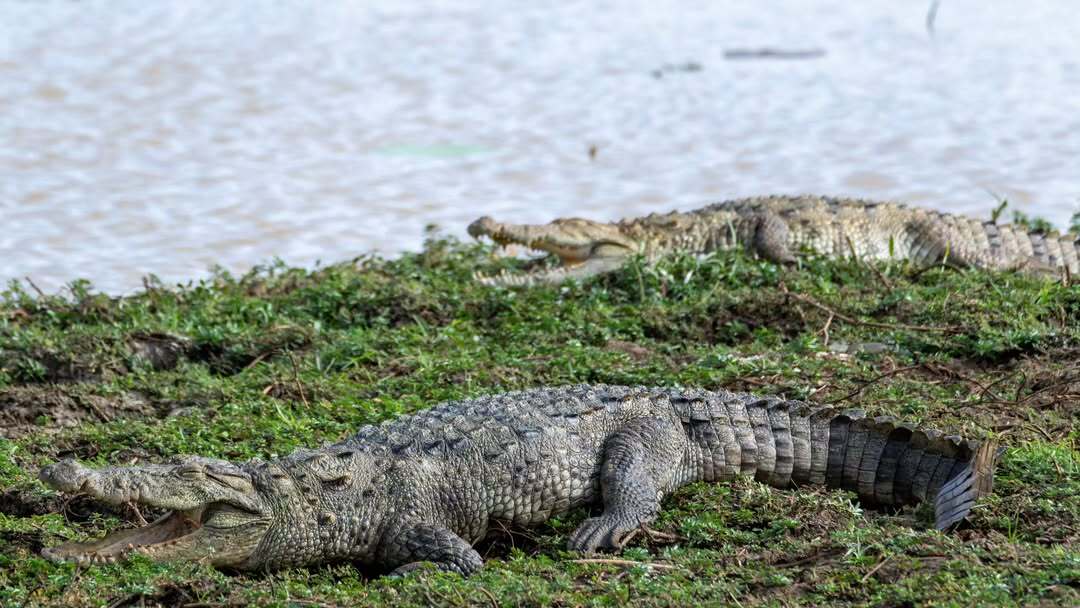
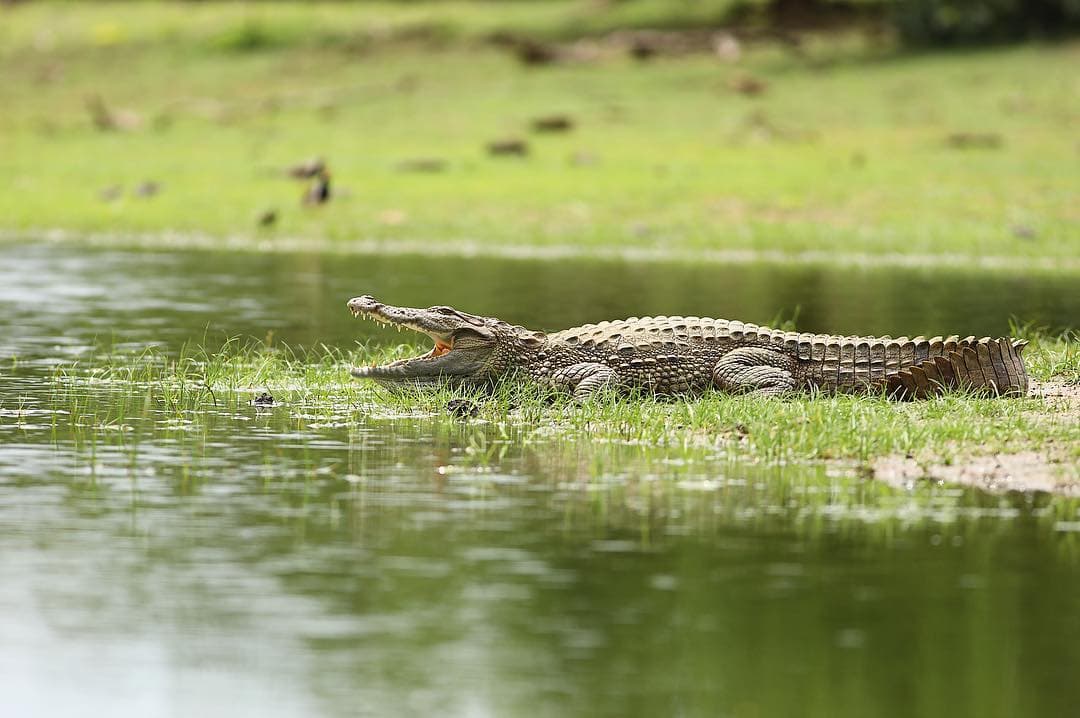
In Sri Lanka you can see two species of crocodiles, the Saltwater Crocodile (Crocodylus porosus) locals called them as "Hala Kimbula" and the Marsh Crocodile (Crocodylus palustris) also known as "Gata Kimbula" by locals. While the Saltwater Crocodile is more commonly found in coastal areas and estuaries, the Marsh Crocodile, also known as the Mugger Crocodile, is prevalent in freshwater habitats such as lakes, rivers, and marshes within Yala National Park.
Yala's waterways are home to impressive populations of Marsh Crocodiles, also known as Mugger Crocodiles. These powerful reptiles can grow to around 4-5 meters in length and are well adapted to life in the park's various water bodies, from lakes to seasonal pools.
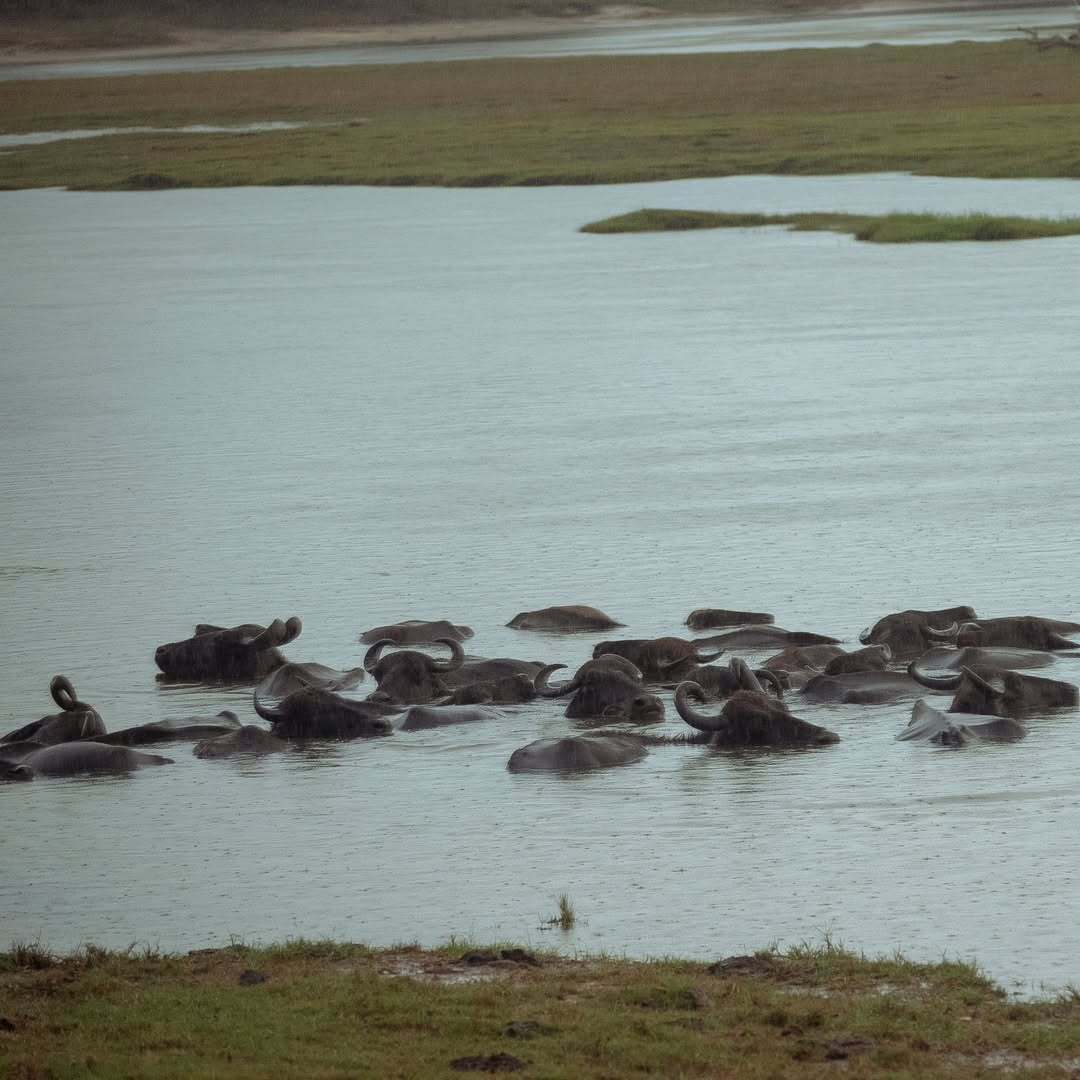
Water buffalo are among Yala's most impressive residents, with massive curved horns that can span over a meter in large adults. These powerful bovines play a crucial role in maintaining the park's grassland ecosystems and can be formidable when protecting their territory.
6:00 AM - 10:00 AM (Best for leopard spotting)
2:30 PM - 6:30 PM (Great for elephants and birds)
Tip: Book safaris in advance, especially during high-demand holiday periods and peak season to secure your preferred time slots and avoid disappointment.
Extend your Yala adventure with these incredible destinations within easy reach
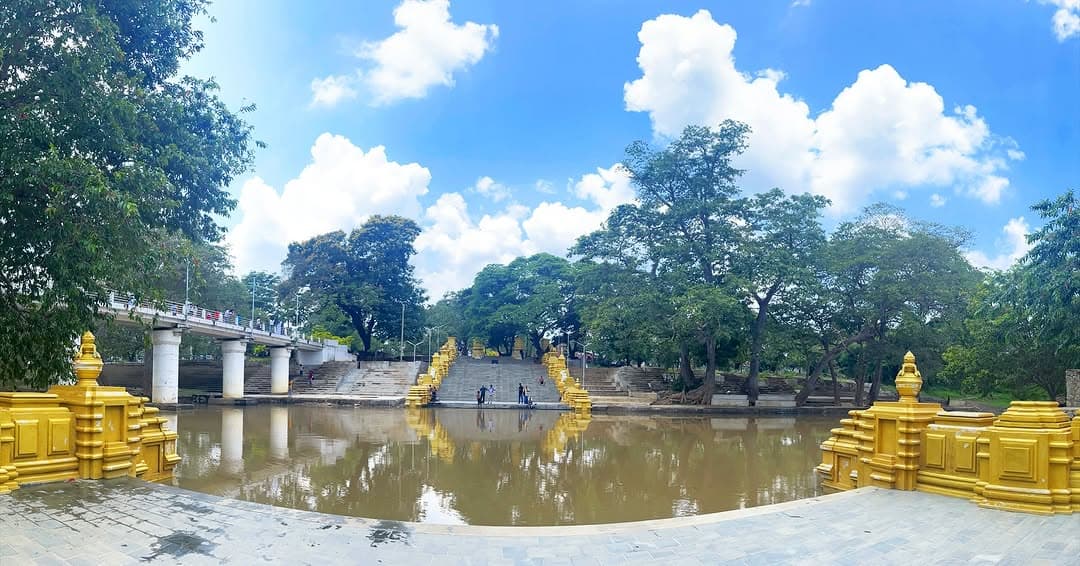
A sacred pilgrimage town known for its multi-religious temples and vibrant festivals.
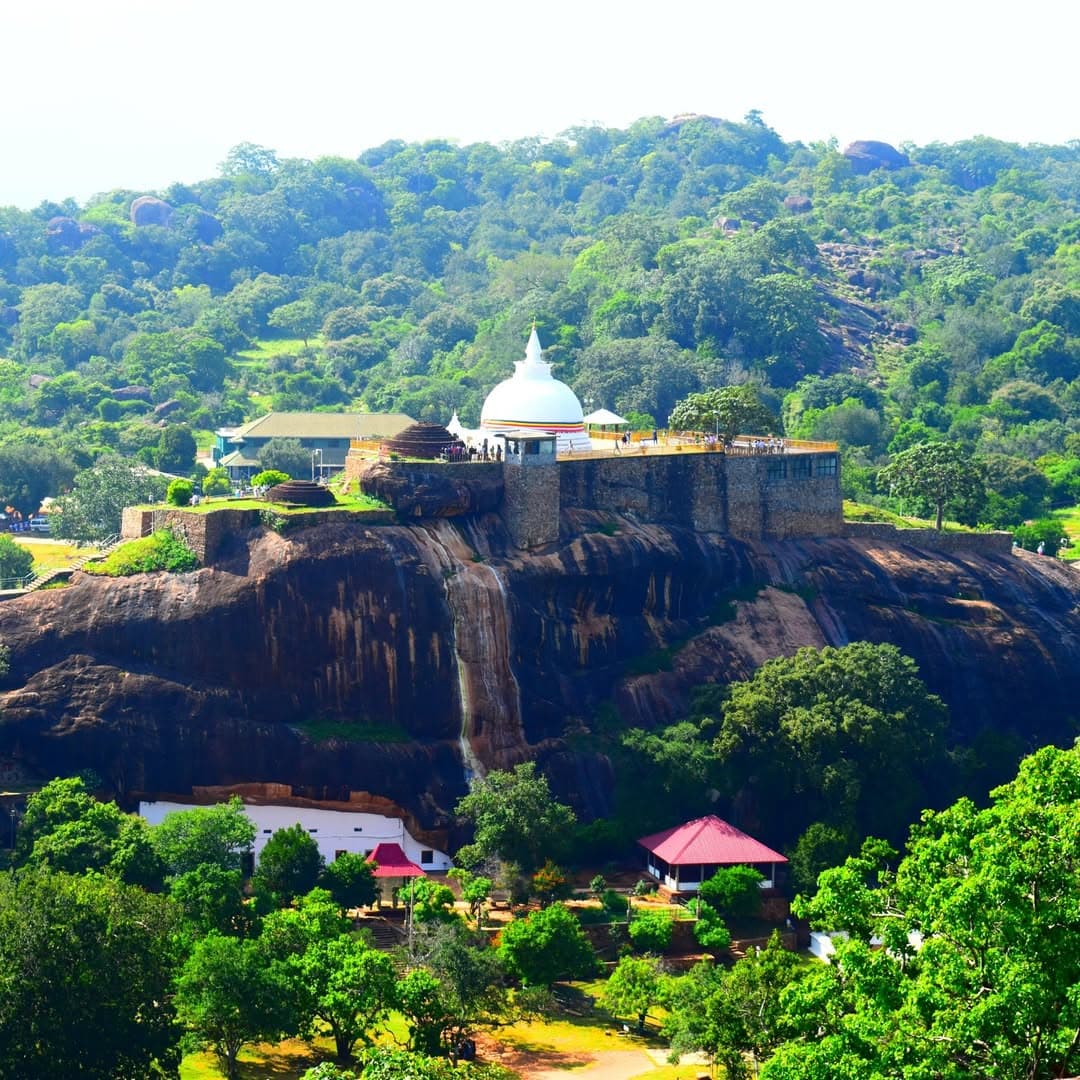
An ancient Buddhist cave temple within Yala National Park, known for its serene atmosphere and historical significance.
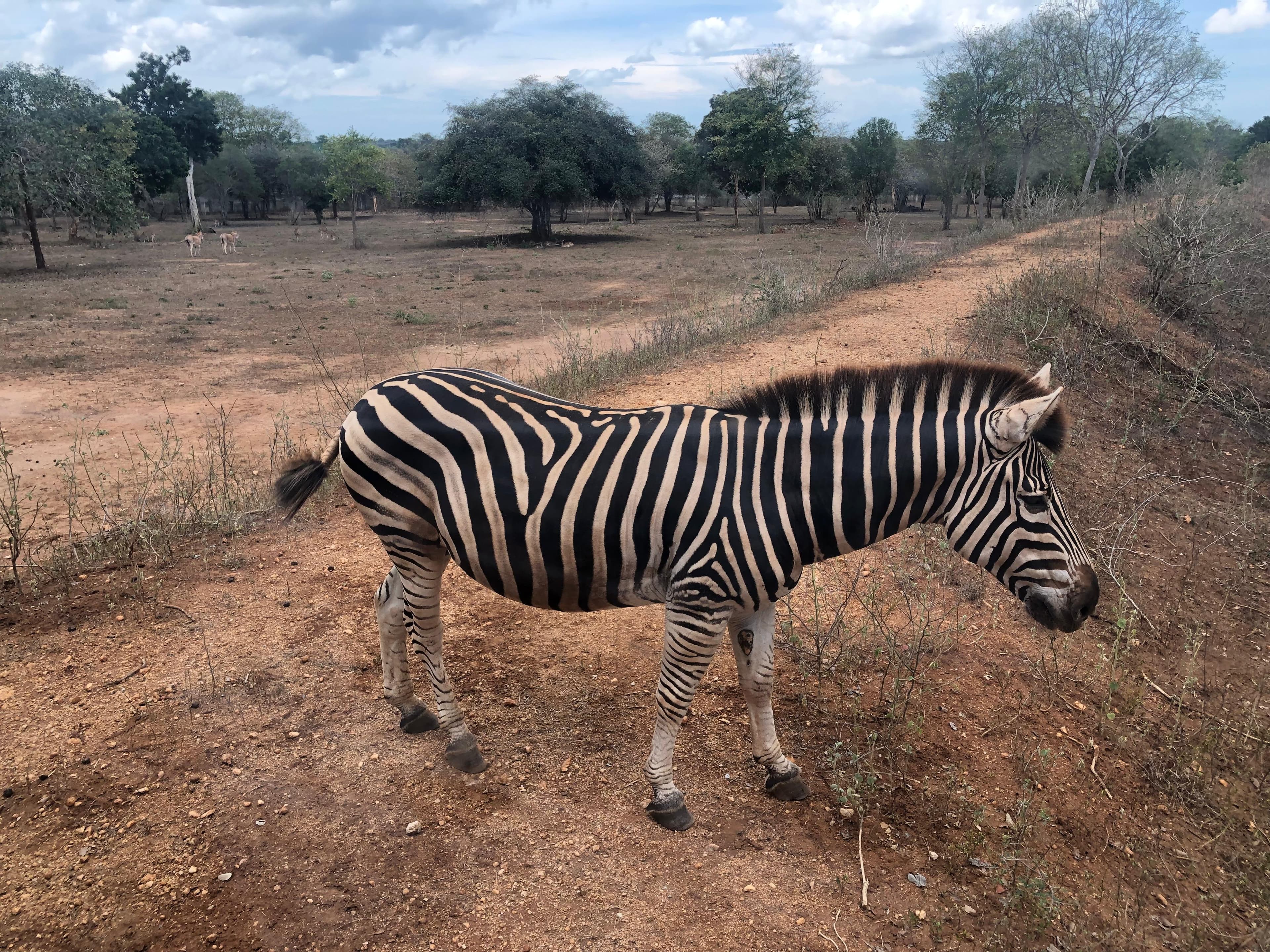
Sri Lanka's largest safari park, home to diverse wildlife in naturalistic habitats.
Yala National Park offers one of the world's most thrilling wildlife experiences. From the heart-stopping moment of spotting a leopard to the gentle giants of elephant herds, every safari brings new discoveries and unforgettable memories. Remember that wildlife viewing requires patience - the best moments often come to those who wait quietly and observe carefully.
Respect the wildlife and their habitat by following your guide's instructions, maintaining safe distances, and keeping noise to a minimum. Your visit helps support conservation efforts that protect these magnificent creatures for future generations.
May your safari be filled with incredible wildlife encounters! 🐆🐘🦚