
The Ramayana: Epic Story Between India and Sri Lanka
Discover the ancient tale of love, courage, and devotion that connects two great nations
The Ramayana is one of the world's greatest stories. This ancient tale tells us about brave Prince Rama, his beloved wife Sita, and the powerful king Ravana who ruled Sri Lanka long ago. The story shows us how righteousness and love always prevail, and how compassion can overcome any challenge.
This epic connects India and Sri Lanka through an amazing adventure that happened thousands of years ago. Today, you can still visit many places in both countries where this story took place.
Who Wrote This Amazing Story?
Original Sanskrit Author
Known as the 'Adi Kavi' (First Poet), Sage Valmiki wrote the original Ramayana in Sanskrit around 500-400 BCE. His beautiful verses tell the complete story in 24,000 verses divided into 7 books. He is considered the father of Sanskrit poetry.
Tamil Version
The great Tamil poet Kambar wrote "Kamba Ramayanam" in the 12th century. His version is very popular in Tamil Nadu and Sri Lanka. He added beautiful Tamil poetry and cultural elements that made the story more meaningful for Tamil-speaking people.
Regional Versions
Over thousands of years, many talented writers have retold this story in different languages: Tulsidas in Hindi, Krittibas in Bengali, Ezhuthachan in Malayalam, and many Sinhala poets in Sri Lanka. Each version adds local flavor while keeping the main story.
A Living Story
What makes the Ramayana special is that it's not just one person's creation. Over thousands of years, storytellers, poets, and writers from different regions have added their own beautiful touches while keeping the heart of the story alive. This is why you'll find slight differences in versions from different places, but the main message of love, courage, and righteousness remains the same everywhere.
Meet the Main Characters
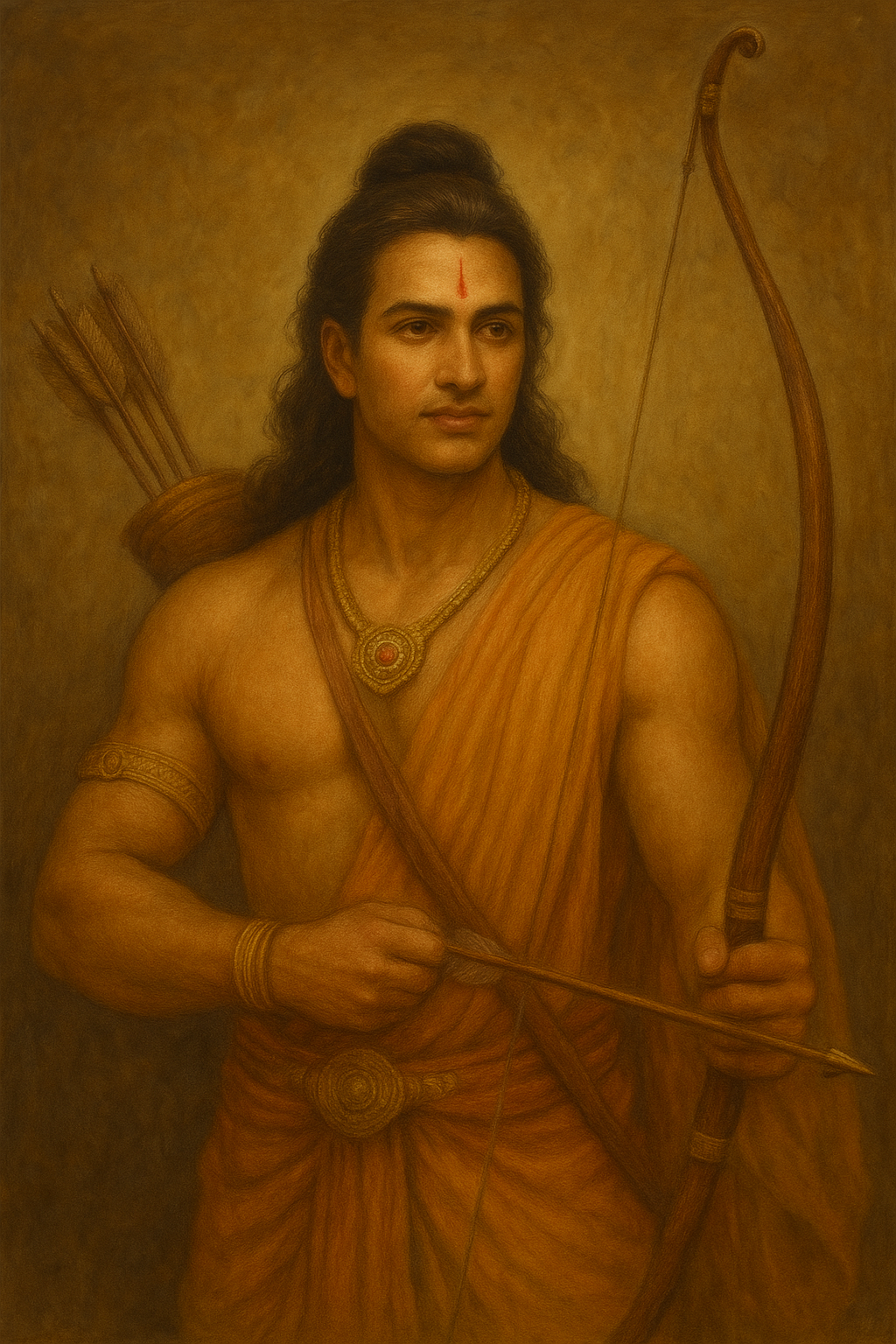
A brave and good prince from Ayodhya in India. He was kind, strong, and always did the right thing. People loved him because he was fair and honest.
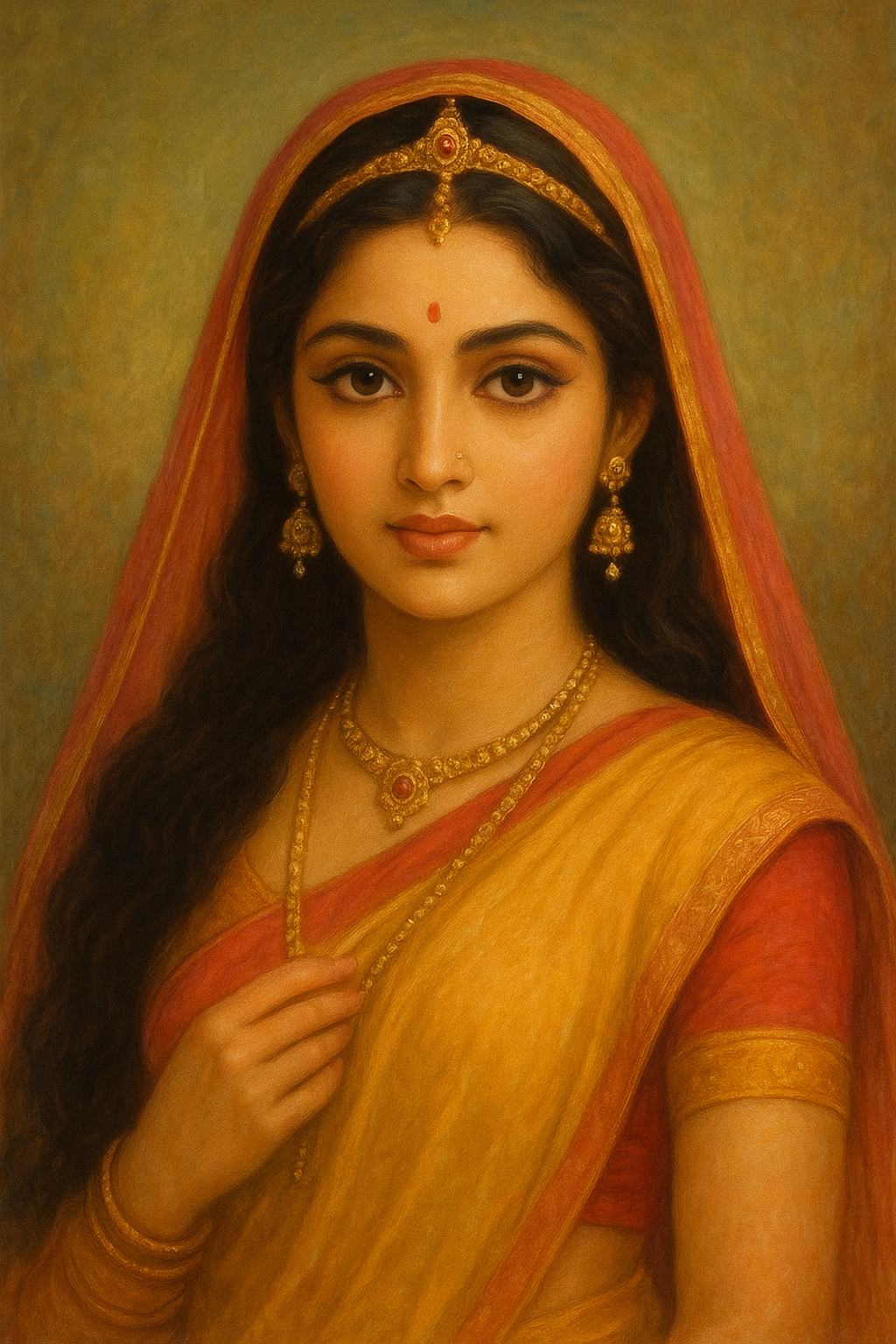
Rama's beautiful and wise wife. She was brave, loyal, and pure-hearted. Even when facing great danger, she stayed strong and faithful.
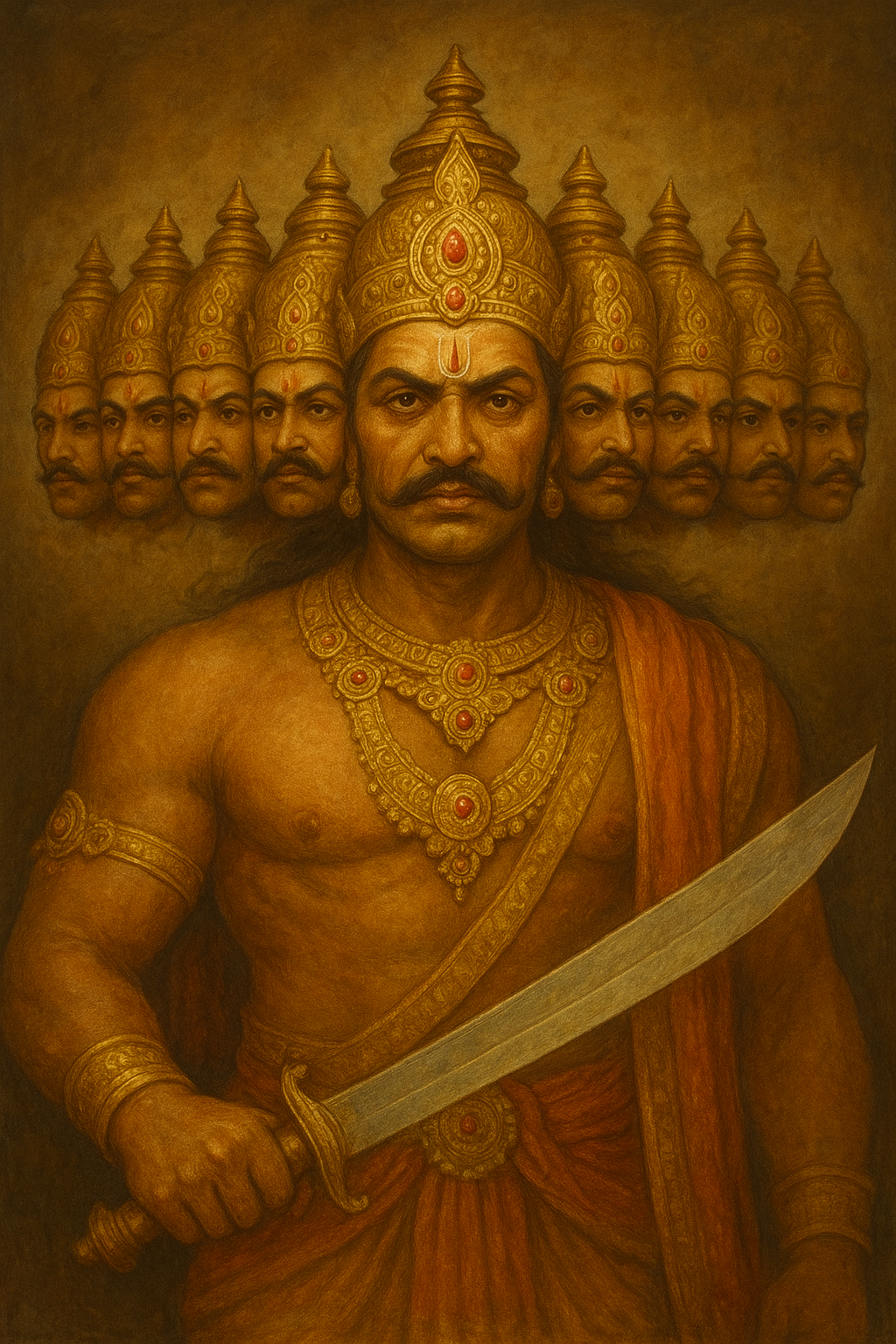
The powerful ten-headed king of Lanka (Sri Lanka). He was very smart and strong, but his pride and selfishness led him to make bad choices.
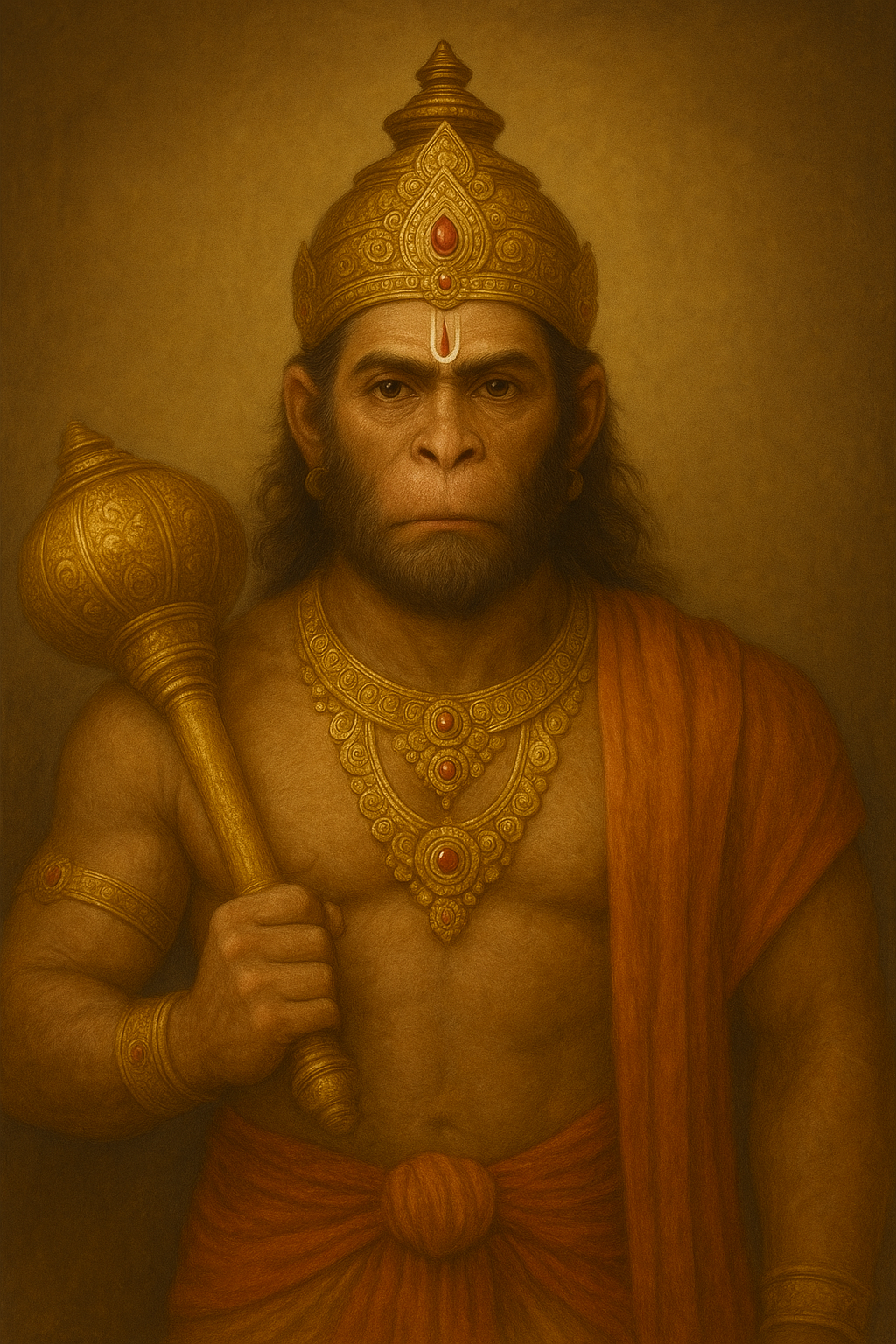
A brave monkey warrior who could fly and had amazing strength. He was Rama's most loyal friend and helped rescue Sita with his courage and wisdom. He could change his size and had magical powers.
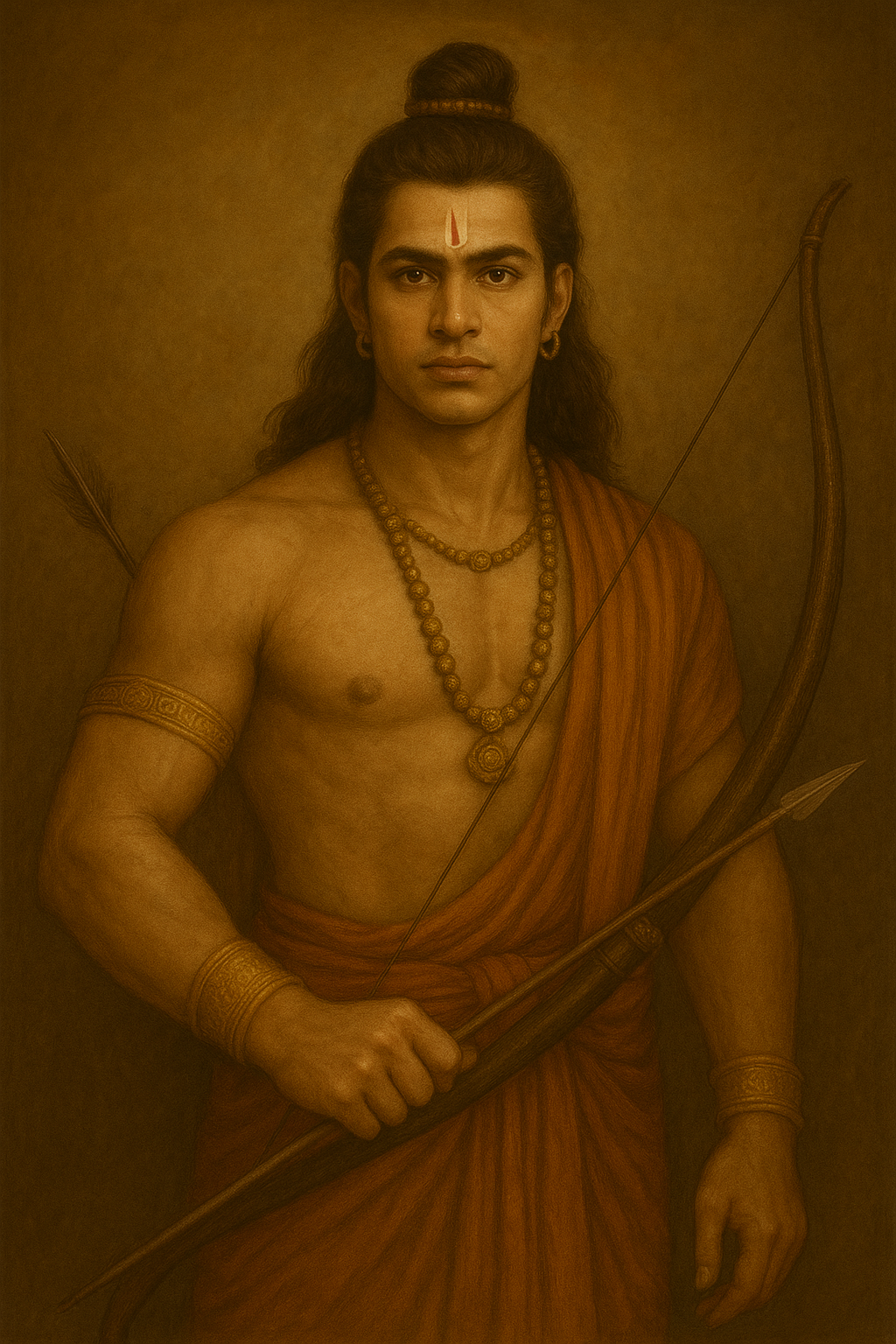
Rama's younger brother who loved him so much that he left his comfortable life to protect Rama and Sita in the forest. He was brave, loyal, and always ready to fight for what was right.
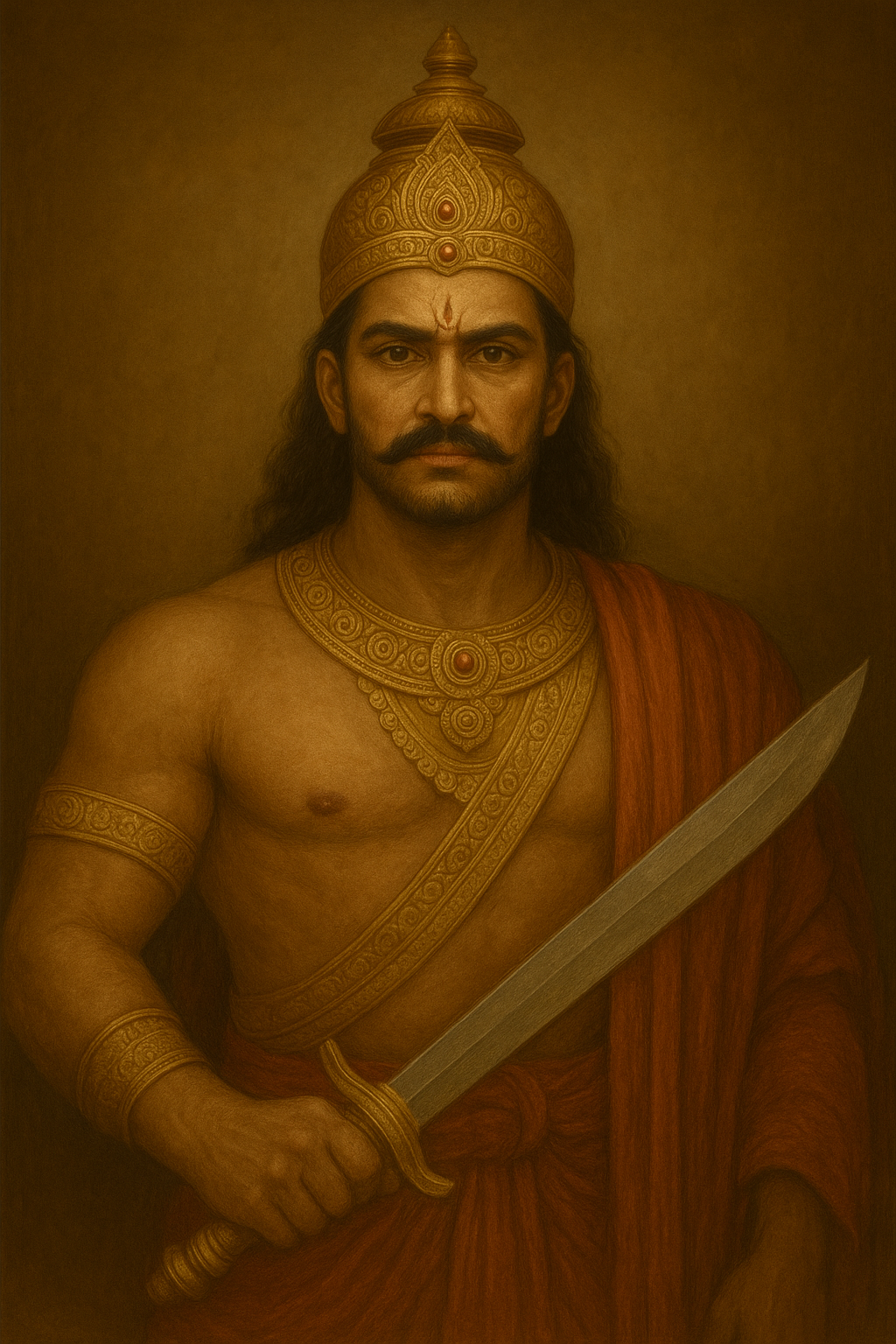
Ravana's younger brother who was good and righteous. Even though Ravana was his brother, he chose to help Rama because he knew what was right. He became the wise king of Lanka after Ravana.
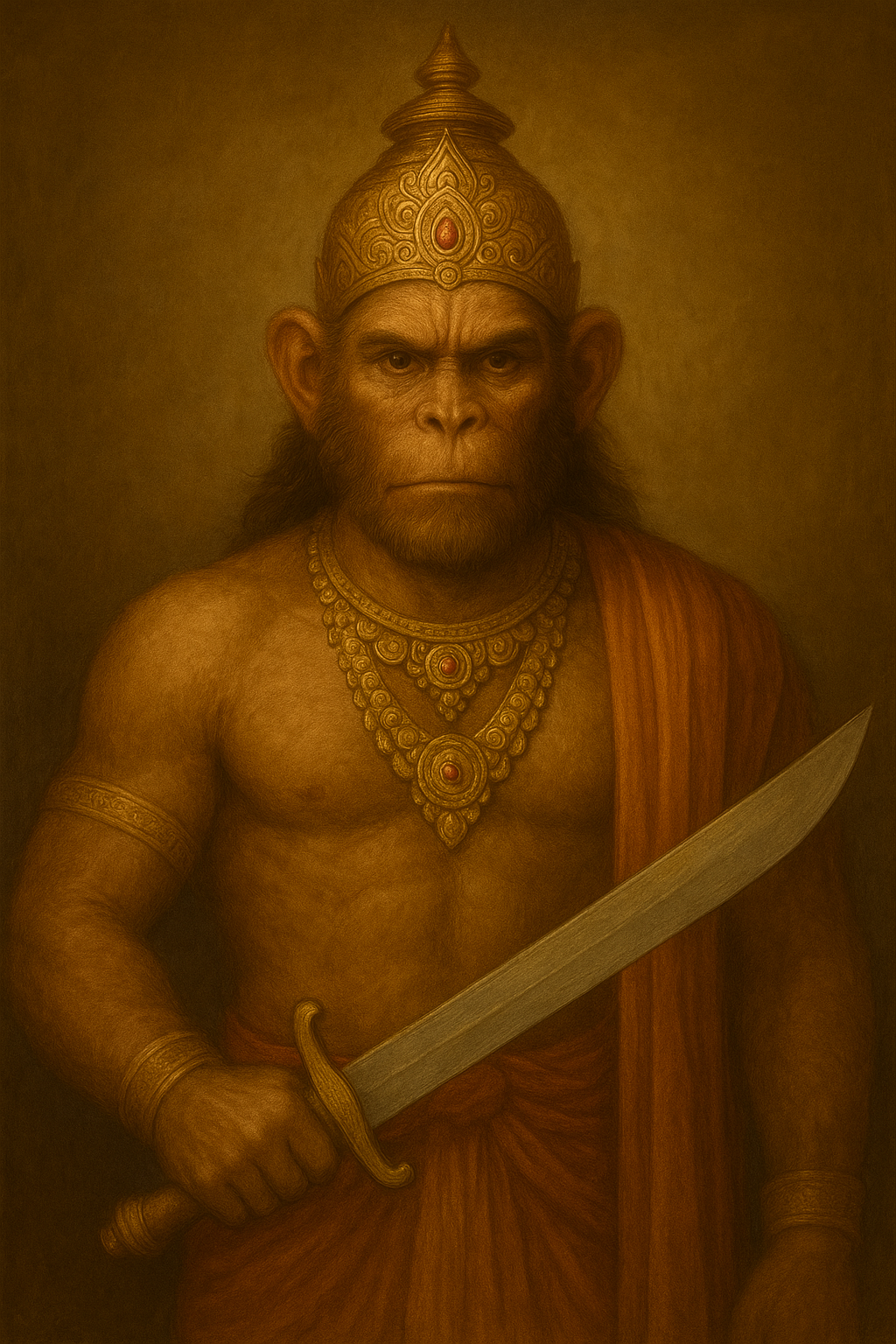
The king of the monkeys who became Rama's ally. Rama helped him get back his kingdom, and in return, Sugriva provided his entire monkey army to help search for Sita and fight against Ravana.
The Amazing Story
Prince Rama was supposed to become the king of Ayodhya, a beautiful city in India. But his stepmother wanted her own son to be king instead. She asked Rama's father to send Rama away to the forest for 14 years. Rama agreed because he always respected his father. His wife Sita and brother Lakshmana decided to go with him to the forest.
While living in the forest, Ravana heard about Sita's beauty and wanted to marry her. He used magic to trick Rama and Lakshmana into leaving Sita alone. Then he disguised himself as a holy man and kidnapped Sita. He took her to his golden city of Lanka, which is now Sri Lanka. Sita refused to marry Ravana and stayed faithful to Rama.
Rama was heartbroken when he discovered Sita was missing. He met Hanuman and the monkey army who promised to help find her. Hanuman used his magical powers to jump across the ocean from India to Sri Lanka. He found Sita in Ravana's garden and gave her Rama's ring to show she was not forgotten.
Before leaving, Hanuman destroyed part of Lanka to show Ravana how powerful Rama's friends were. He set fire to the golden city with his burning tail, but made sure not to hurt innocent people. When he jumped back to India, he carried with him Sita's jewel as proof that he had found her.
During the great battle in Lanka, Lakshmana was badly hurt by a poisoned arrow from Ravana's son. He fell unconscious and was dying. The only medicine that could save him was a special herb called "Sanjeevani" that grew on a mountain in the far-away Himalayas.
Hanuman flew all the way to the Himalayas to get this life-saving herb. But when he reached the mountain, he couldn't identify which plant was the right medicine among so many herbs. So he lifted the entire mountain and flew back to Lanka! On his way, a piece of the mountain fell near Galle in Sri Lanka - this is now called Rumassala Hill, where you can still find rare healing plants today.
To reach Lanka, Rama's army faced a big challenge - how to cross the vast ocean? The wise bear Jambavan suggested building a bridge. Under the guidance of Nala and Nila (sons of the divine architect Vishvakarma), thousands of monkeys and bears worked together to build an incredible bridge across the sea.
This amazing bridge was made of huge rocks, trees, and mountains that the monkeys carried from far away. Hanuman and other mighty monkeys could lift entire hills! Each stone floated on water because they wrote Rama's holy name on them. The bridge was 100 yojanas (about 800 miles) long and took just 5 days to build.
This bridge is known today as Adam's Bridge or Rama Setu. You can still see the remains of this ancient bridge - it's a chain of coral reefs, sandbanks, and rocks between Pamban Island in India and Mannar Island in Sri Lanka. Even today, scientists and archaeologists study this natural formation that connects the two countries.
When they reached Lanka, there was a great war between good and evil. Many brave warriors fought on both sides. Ravana had ten heads and twenty arms, making him very powerful. But Rama's arrows were blessed by the gods. Finally, Rama defeated Ravana with his special arrow, and righteousness prevailed. The earth shook and the heavens celebrated when Ravana fell.
After Ravana was defeated, some people questioned whether Sita had remained pure while living in Lanka. To prove her faithfulness and purity, Sita asked for a test by fire. She walked into a burning fire, but the fire god protected her because she was completely innocent and faithful.
The fire didn't harm her at all - not even her clothes were burned! This miracle proved to everyone that Sita had always remained true to Rama. This test took place at what is now called Divurumpola in Sri Lanka, where there's a beautiful temple commemorating this event.
After the battle, Rama and Sita were reunited. They were so happy to be together again! Ravana's brother Vibhishana, who was good and had helped Rama during the war, became the new king of Lanka. He promised to rule with kindness and justice.
Rama, Sita, and Lakshmana flew back to India in Pushpaka, a magical flying chariot that belonged to Ravana. As they flew over the places where they had lived during their exile, they remembered all their adventures. When they returned to Ayodhya, the whole city celebrated with lights and joy. This is why people still celebrate Diwali - the festival of lights - to remember Rama's return home.
The Miracle of Rumassala Hill
The Legend
When Lakshmana was dying from a poisoned arrow, time was running out. Hanuman had to bring the life-saving Sanjeevani herb from the Himalayas before sunrise, or Lakshmana would die forever.
Flying at incredible speed while carrying the entire mountain, Hanuman was racing against time. As he flew over the ocean near Galle in Sri Lanka, a piece of the mountain broke off and fell into the sea, creating what we now call Rumassala Hill.
This wasn't just any ordinary rock - it was a piece of the sacred Himalayan mountain filled with powerful healing herbs and magical plants that don't grow anywhere else in Sri Lanka.
What Makes It Special Today
Scientists and botanists are amazed by Rumassala Hill because it has plants that normally grow only in the Himalayas - thousands of miles away! These include rare medicinal herbs that have been used for healing for centuries.
Local people still use plants from Rumassala to make traditional medicines. The hill has over 200 different types of plants, many of which are found nowhere else in Sri Lanka.
The hill rises 130 meters above sea level and offers beautiful views of the ocean. You can walk through peaceful trails and see the same herbs that Hanuman carried to save Lakshmana's life.
Visiting Rumassala Hill
Location
Near Unawatuna Beach, Galle District
Best Time
Early morning or evening for cooler weather
Experience
Nature walks, herb gardens, ocean views
Places You Can Visit Today
Sita Eliya
A beautiful temple where people believe Sita was kept. You can see the place where she sat and prayed every day, hoping Rama would come to save her.
Ravana Falls
A stunning waterfall named after King Ravana. Legend says this was near his palace. The water falls from high mountains and creates a magical sight.
Adam's Bridge (Rama Setu)
A remarkable chain of coral reefs, sandbanks, and rocks stretching 30 km between Pamban Island (India) and Mannar Island (Sri Lanka). Many believe this is the legendary bridge built by Rama's monkey army to reach Lanka. Best viewed from Mannar or by boat tours. You can see the bridge formations extending into the sea, creating a natural causeway that matches ancient descriptions. The shallow waters make it possible to walk partway across during low tide!
Ashoka Vatika
The garden in Kandy where people believe Sita was kept. It's now a peaceful place with beautiful trees and flowers.
Rumassala Hill
A magical hill near Galle with healing herbs. Legend says Hanuman dropped this piece of the Himalayan mountain while bringing medicine to save Lakshmana's life during the great battle.
Divurumpola Temple
The place where Sita proved her purity through a fire test. Located in central Sri Lanka, this temple marks where Sita walked through fire to show she remained faithful to Rama.
Ayodhya
Rama's birthplace and kingdom in northern India. You can visit temples and see where this great story began thousands of years ago.
Kishkindha
The mountain kingdom where Rama met Hanuman and the monkey army. Located in Karnataka state, you can see caves and rocks from the story.
Rameshwaram
The place where Rama started building the bridge to Lanka. There's a famous temple here and you can see the ocean that Hanuman jumped across.
Chitrakoot
One of the forest places where Rama, Sita, and Lakshmana lived during their exile. It's now a peaceful pilgrimage site.
What This Story Teaches Us
Good Values
- Love and loyalty in marriage
- Friendship and helping others
- Being honest and keeping promises
- Courage in difficult times
Life Lessons
- Patience helps us overcome problems
- Working together makes us stronger
- Pride and selfishness cause problems
Why This Story Connects India and Sri Lanka
Cultural Bridge
The Ramayana story shows how India and Sri Lanka have been connected for thousands of years. Both countries share this beautiful tale that teaches the same good values.
People in both countries celebrate festivals like Diwali and Dussehra that remember this story. They build temples, create art, and tell these tales to their children.
When you visit both countries, you can see how the same story is told in different ways but with the same important messages about being good, brave, and loving.
Today, many people travel between India and Sri Lanka to visit the places from this ancient story. It brings people together and helps them understand each other better.
The original Ramayana was written by Sage Valmiki in ancient Sanskrit around 500-400 BCE. His 24,000 verses became the foundation for all other versions. Both countries have their own beautiful adaptations in local languages.
In Sri Lanka, there are beautiful Sinhala and Tamil versions. The Tamil poet Kambarwrote the famous "Kamba Ramayanam" in the 12th century, which is very popular in both Tamil Nadu and Sri Lanka. Other notable authors include Tulsidas (Hindi), Krittibas (Bengali), and many Sinhala poets.
Each writer added their own cultural touches while keeping the main message of righteousness prevailing. Even today, you can watch traditional dance performances, puppet shows, and plays based on these different versions in both India and Sri Lanka.
Diwali: The festival of lights celebrates Rama's return home to Ayodhya. People light oil lamps just like the citizens of Ayodhya did thousands of years ago.
Dussehra: This festival celebrates Rama's victory over Ravana. Giant effigies of Ravana are burned to show that good always wins over evil.
Ram Navami: Rama's birthday is celebrated with prayers, processions, and storytelling in temples across both countries.
While the Ramayana is an ancient story, archaeologists have found interesting evidence that supports some parts of the tale:
Adam's Bridge
Satellite images show a chain of limestone, sand, and coral between India and Sri Lanka. This natural formation matches the description of the bridge built by Rama's army.
Ancient Cities
Archaeological sites in both countries show evidence of ancient civilizations that existed during the time period when the Ramayana is said to have taken place.
Plant Evidence
Rumassala Hill really does have Himalayan plants that don't grow elsewhere in Sri Lanka, supporting the story of Hanuman dropping part of the mountain.
Cultural Practices
Similar customs, architectural styles, and religious practices in both countries suggest ancient connections that could date back to Ramayana times.
Plan Your Ramayana Journey
Visit all the main Ramayana sites in Sri Lanka including Sita Eliya, Ravana Falls, Rumassala Hill, and ancient temples with expert guides who know the stories.
Experience the complete Ramayana trail across both countries. Start in Ayodhya, follow Rama's journey to Sri Lanka, and return via the sacred sites.
Learn from storytellers, attend festivals, participate in temple ceremonies, and experience traditional dances that bring the Ramayana to life.
Day 1-2: Colombo & Galle
Arrive in Colombo, visit National Museum for Ramayana artifacts. Travel to Galle, explore Rumassala Hill where Hanuman dropped the healing herbs. Sunset at Unawatuna Beach.
Day 3-4: Ella & Badulla
Visit Ravana Falls and Ravana Cave. Explore Sita Eliya temple where Sita was held captive. Take the scenic train ride through tea country that Hanuman might have flown over.
Day 5-6: Nuwara Eliya & Kandy
Visit Ashoka Vatika gardens in Nuwara Eliya. Travel to Kandy to see more Ramayana sites and attend traditional cultural performances featuring Ramayana stories.
Day 7: Mannar & Adam's Bridge
Travel to Mannar to see Adam's Bridge (Rama Setu) - the legendary bridge built by Hanuman and the monkey army. Take a boat tour to see the coral formations and sandbanks stretching toward India. Visit Divurumpola Temple where Sita proved her purity. Return to Colombo for departure.
- Expert local guides who know all the Ramayana stories
- Comfortable air-conditioned transport
- All temple entrance fees and donations
- Cultural performances and storytelling sessions
- Traditional lunch at local restaurants
- Ramayana guidebook and site maps
- Meet with temple priests who preserve ancient stories
- Participate in traditional blessing ceremonies
- Learn about medicinal plants at Rumassala Hill
- Watch traditional puppet shows telling Ramayana stories
- Photography workshops at scenic Ramayana locations
- Evening storytelling by campfire under the stars
Experience This Timeless Story
The Ramayana is more than just a story – it's a journey through ancient lands, timeless values, and the connection between two beautiful countries. Come and walk in the footsteps of these legendary characters.