
Discover Sri Lankan Cuisine
A delicious journey through authentic flavors and traditional foods that make Sri Lanka a food lover's paradise.
Why Sri Lankan Food is Special 🌟
Sri Lankan cuisine is unique and incredibly diverse! It combines flavors from ancient traditions with influences from Portuguese, Dutch, and British colonial periods. The result? An amazing fusion that you won't find anywhere else!
Bold & Spicy
Most dishes have a kick! But don't worry - you can always ask for less spice.
Coconut Love
Fresh coconut is used in almost everything - it makes food creamy and delicious!
Fresh & Aromatic
Fresh curry leaves, cinnamon, cardamom, and local spices make every dish aromatic.
Rice and Curry: The Heart of Sri Lankan Cuisine 🍛
Traditional Rice and Curry Experience
A Sri Lankan rice and curry meal is not just food - it's a cultural experience! You'll get a plate of fragrant basmati rice surrounded by 5-8 different curries, each with its own unique flavor profile. This is the daily meal that every Sri Lankan family enjoys, and it's perfect for sharing and trying multiple flavors at once.
🍽️ What You'll Get:
- •
Steamed white or red rice (base)
- •
Fish or chicken curry (protein)
- •
Dhal curry (lentils)
- •
3-4 vegetable curries
- •
Coconut sambol (spicy condiment)
- •
Papadums (crispy crackers)
👥 Perfect For:
- •
First-time visitors to Sri Lanka
- •
People who want to try multiple flavors
- •
Vegetarians (many vegetable options)
- •
Those who love spicy food
- •
Lunch or dinner (served anytime)
Must-Try Sri Lankan Foods 🍽️
Here's your ultimate guide to authentic Sri Lankan dishes. Each one is special and worth trying!
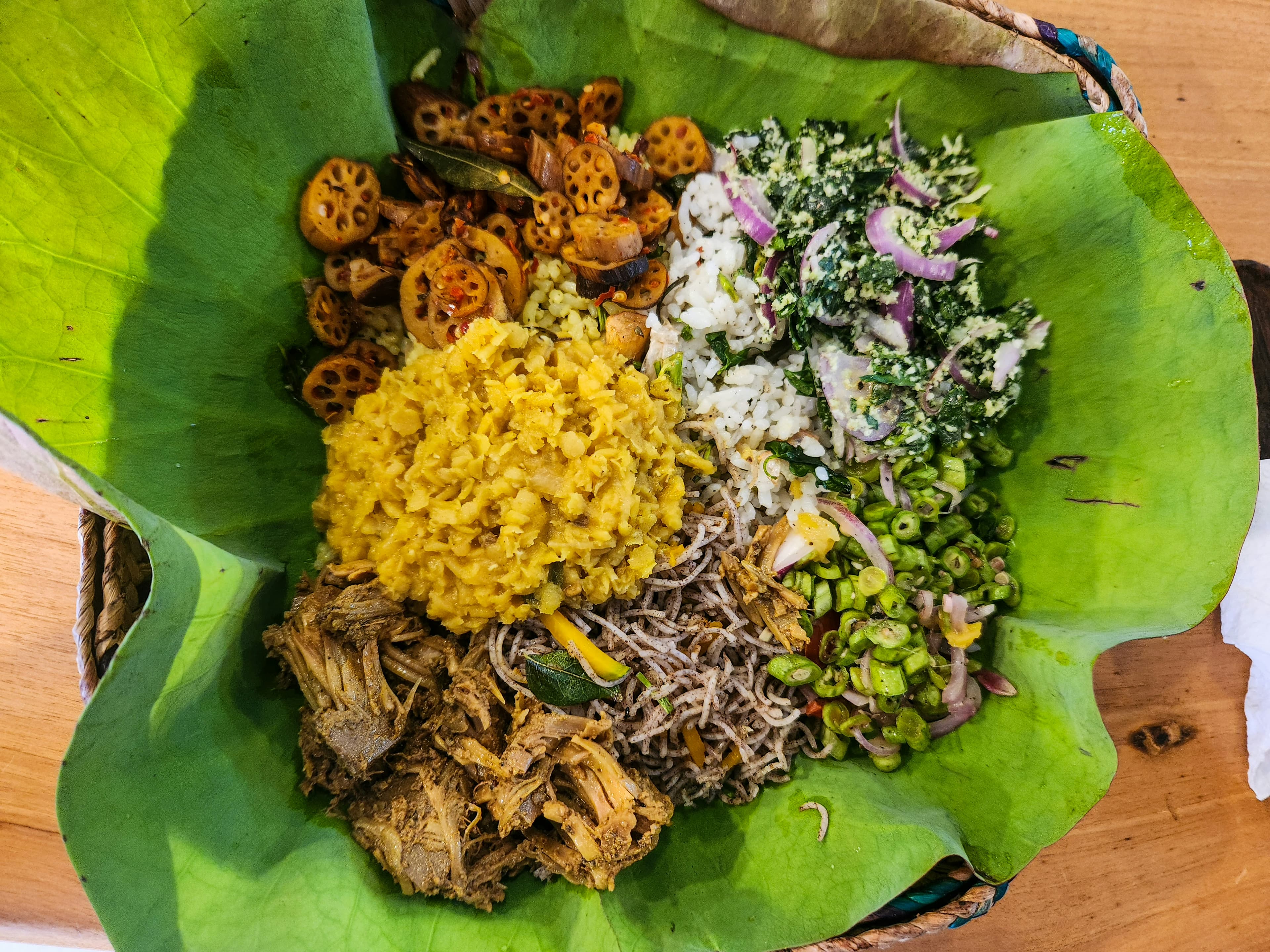
Rice and Curry
Main DishThis is the heart of Sri Lankan cuisine! A traditional meal with fluffy white or red rice served with multiple curry dishes. You'll get vegetable curries, dhal (lentil curry), fish or chicken curry, and pol sambol (coconut relish). It's colorful, flavorful, and absolutely delicious!
😋 Taste:
A perfect balance of spicy, tangy, and savory flavors. Each curry has its own unique taste.
💡 Tip:
Mix everything together on your plate - that's how locals eat it! Best enjoyed for lunch.
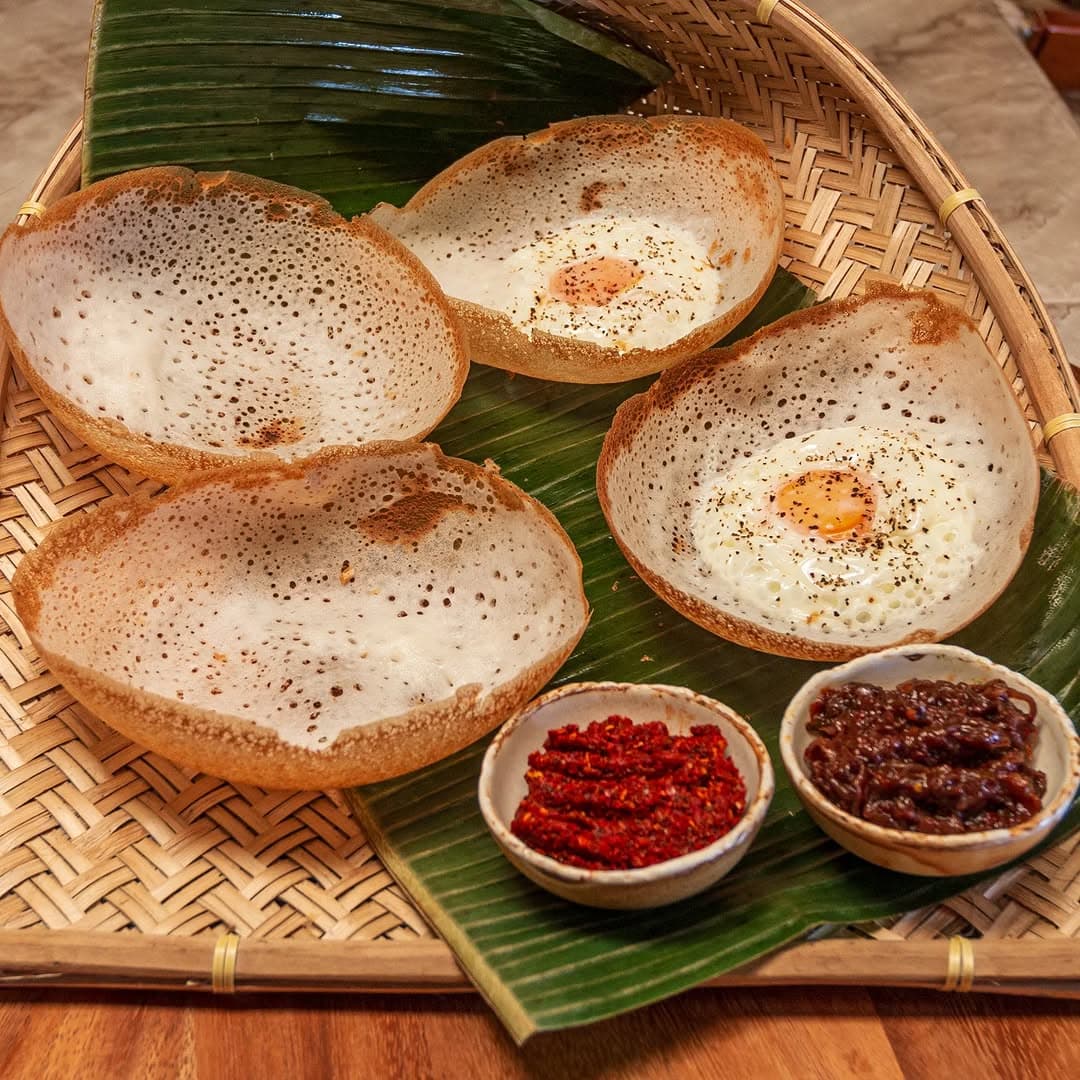
Hoppers (Appa)
BreakfastImagine a crispy, bowl-shaped pancake made from rice flour and coconut milk. Hoppers are a breakfast favorite! The edges are crispy while the center is soft and fluffy. Try the egg hopper - it has an egg cooked right in the middle!
😋 Taste:
Slightly sweet and coconutty with crispy edges.
💡 Tip:
Eat with lunu miris (spicy onion sambol) or curry. Perfect for breakfast or dinner!
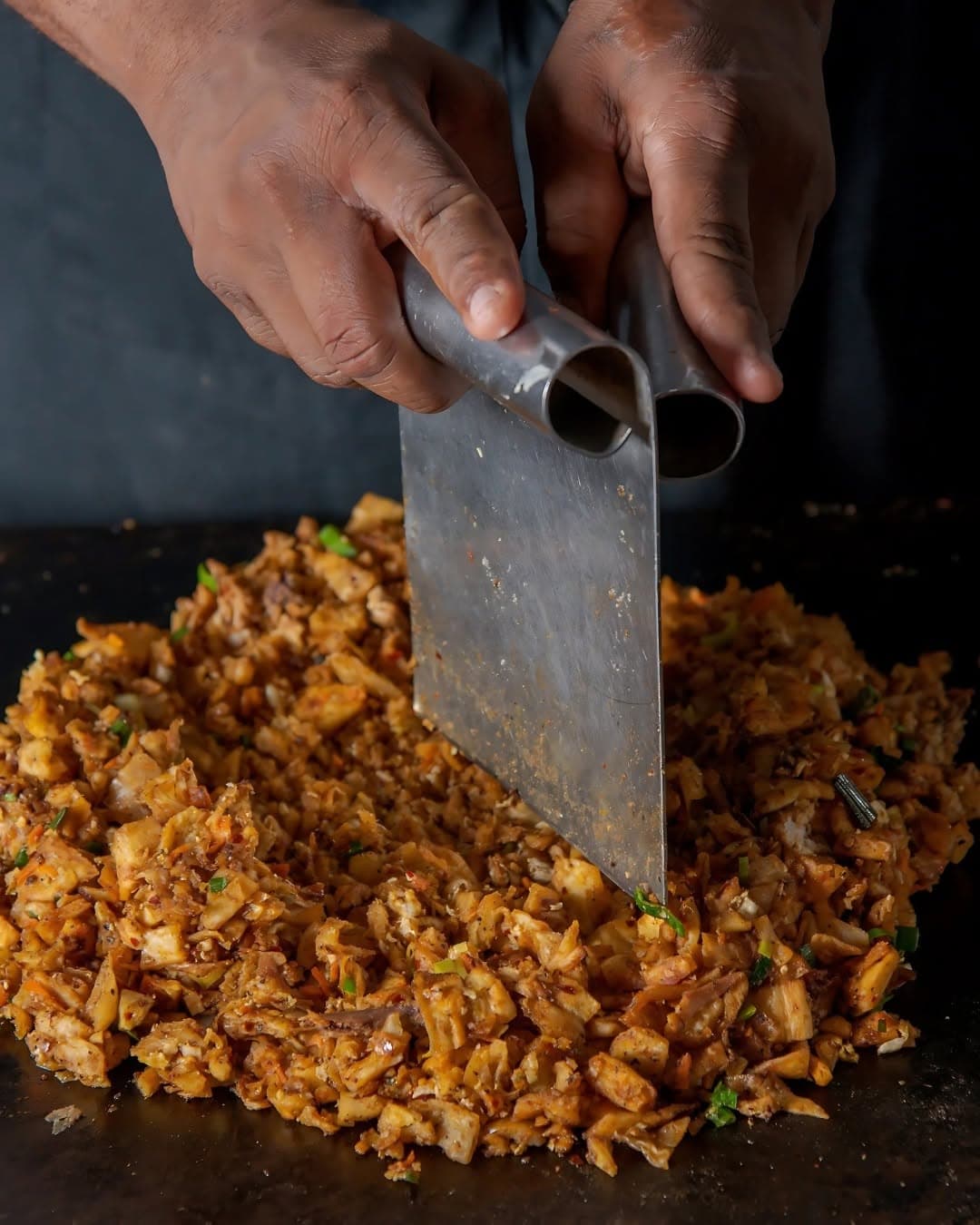
Kottu Roti
Street FoodListen for the rhythmic chopping sound on the streets! Kottu is made by chopping flatbread (roti) with vegetables, eggs, and meat or seafood on a hot griddle. It's Sri Lanka's famous street food and tastes amazing!
😋 Taste:
Savory, spicy, and incredibly satisfying. Each bite is packed with flavor!
💡 Tip:
Order it at night from street vendors. Choose chicken, beef, or vegetable kottu based on your preference.
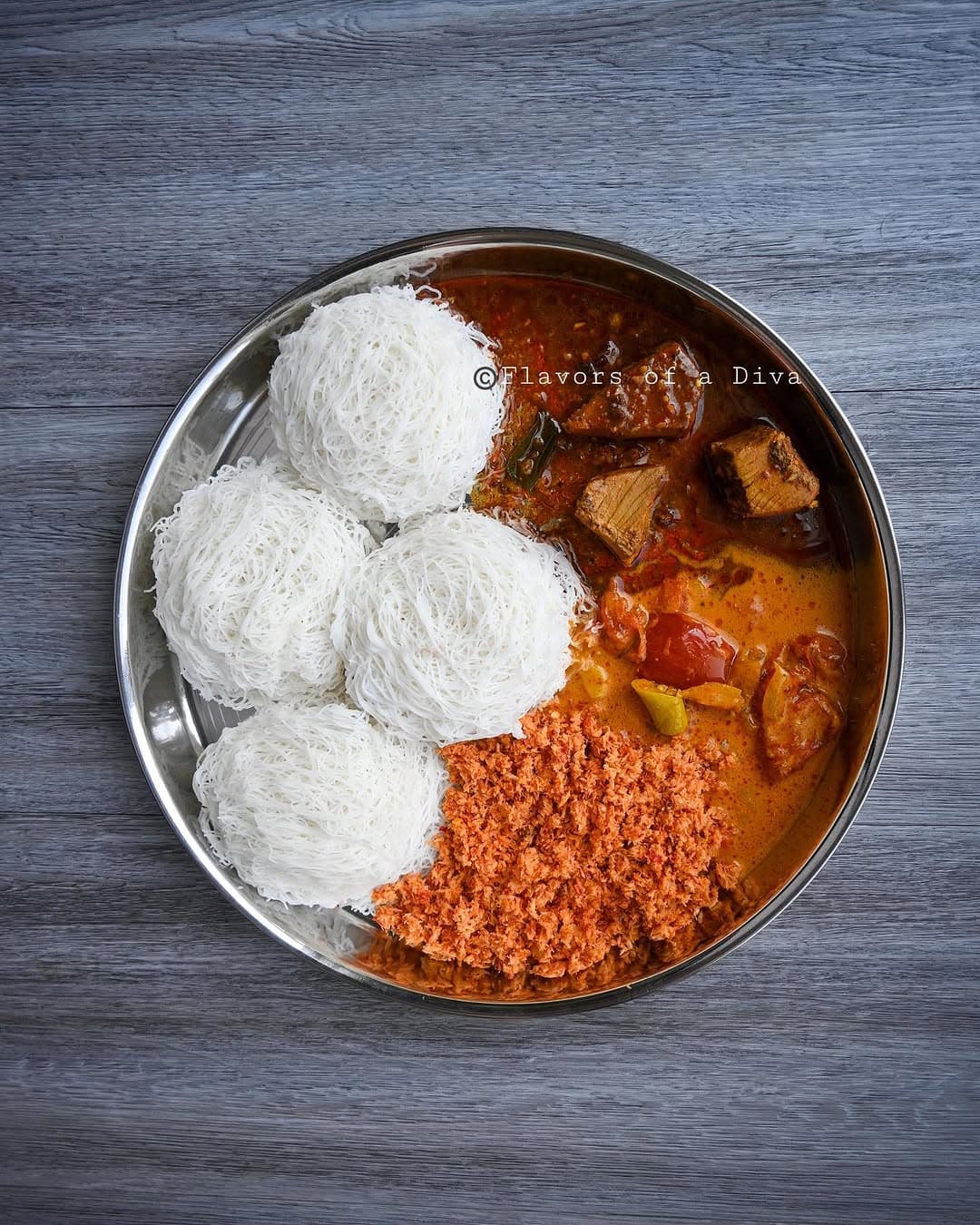
String Hoppers (Idiyappam)
BreakfastThese look like little nests made of steamed rice noodles! String hoppers are soft, delicate, and light. They're a popular breakfast choice that's easy on the stomach.
😋 Taste:
Mild and slightly nutty flavor from rice.
💡 Tip:
Eat with coconut milk curry, dhal, or sambol. Great for breakfast!
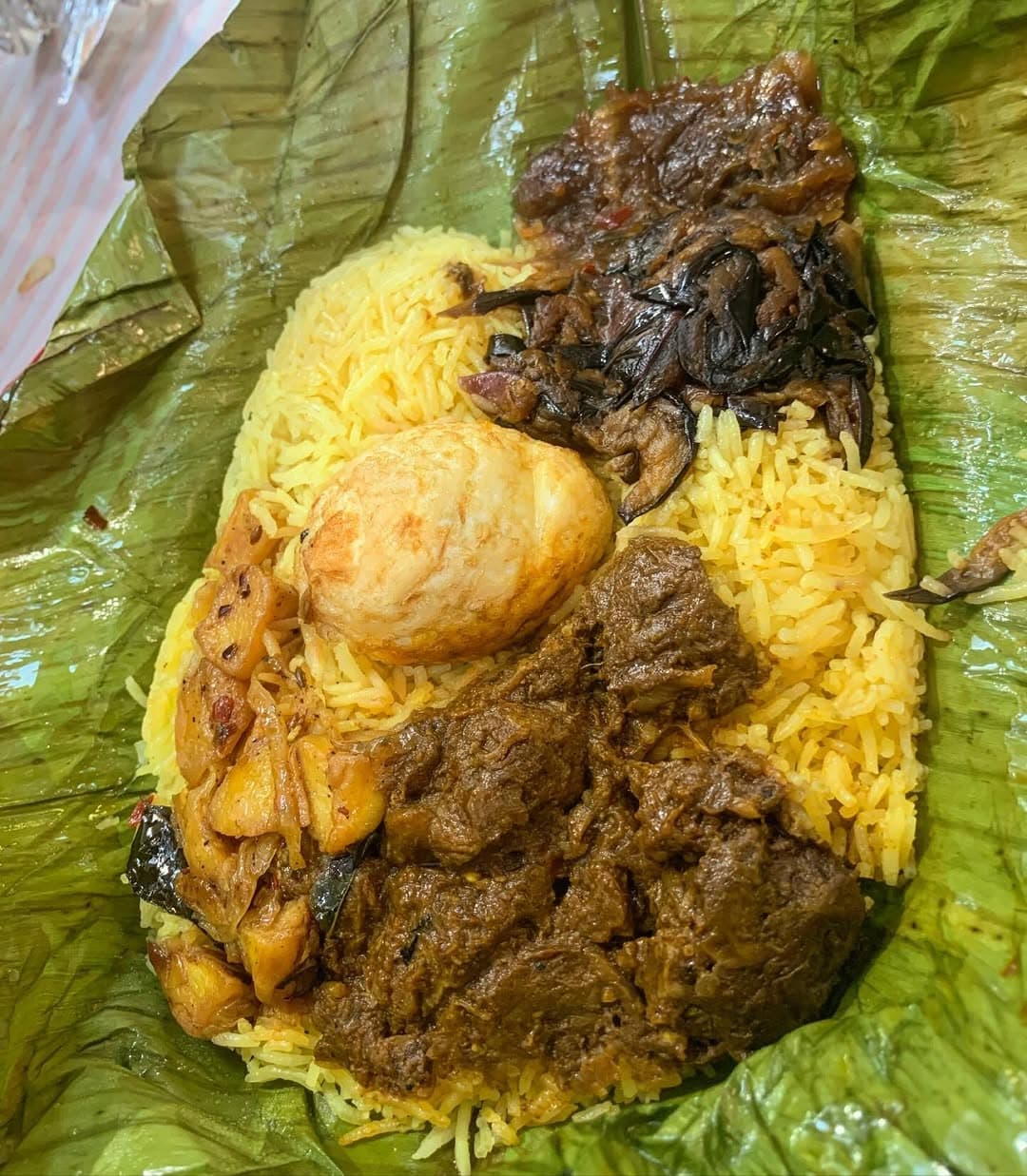
Lamprais
Special DishA Dutch-influenced Sri Lankan specialty! Rice cooked in stock is mixed with meat curry, eggplant curry, and frikkadels (meatballs), all wrapped in a banana leaf and baked. The banana leaf gives it a special aroma!
😋 Taste:
Rich, aromatic, and bursting with layered flavors.
💡 Tip:
Usually served on special occasions. Best enjoyed slowly to savor all the flavors!
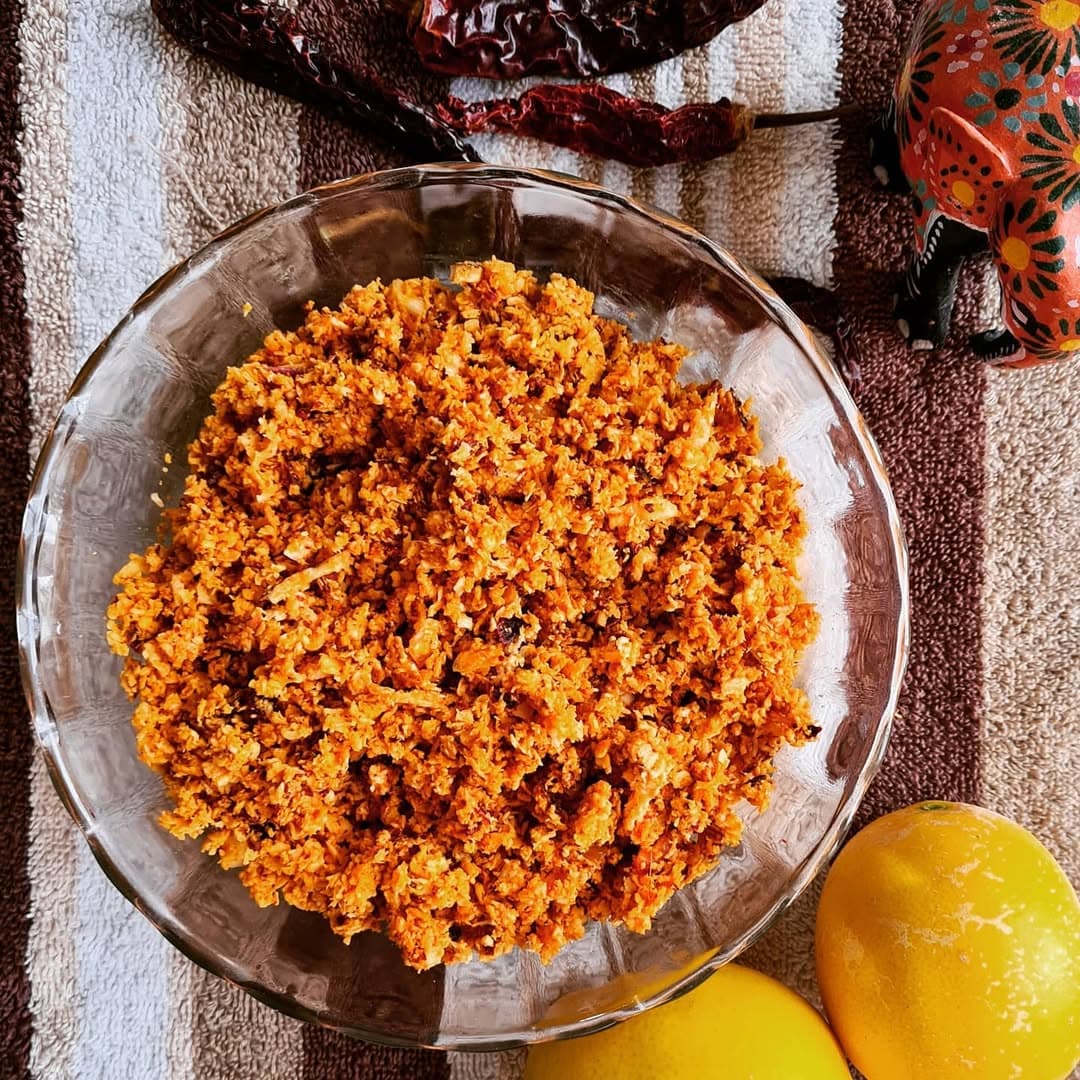
Pol Sambol
Side DishA fiery red coconut relish that appears on every Sri Lankan table! Made with fresh grated coconut, red chilies, lime juice, and Maldive fish. It looks spicy and it IS spicy, but so delicious!
😋 Taste:
Spicy, tangy, and coconutty - a flavor explosion!
💡 Tip:
Use it as a side with rice, hoppers, or bread. Start with a small amount if you're not used to spice!
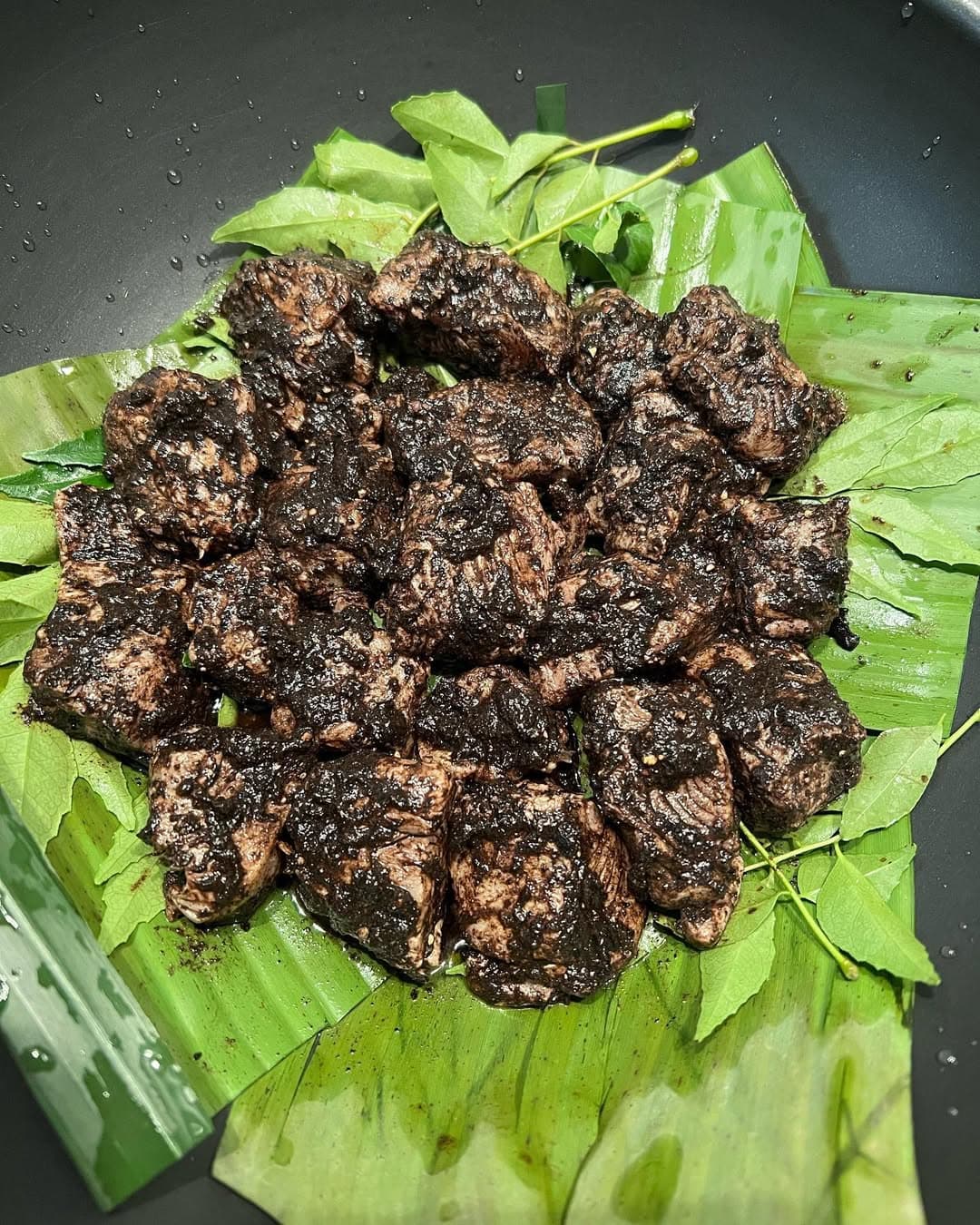
Fish Ambul Thiyal
Main DishA unique sour fish curry from Southern Sri Lanka. The fish is cooked with goraka (a sour fruit), black pepper, and spices. It's dry, dark, and incredibly flavorful - a must-try for seafood lovers!
😋 Taste:
Tangy, slightly sour, and deeply spiced.
💡 Tip:
Eat with rice and curry. The sour taste is refreshing!
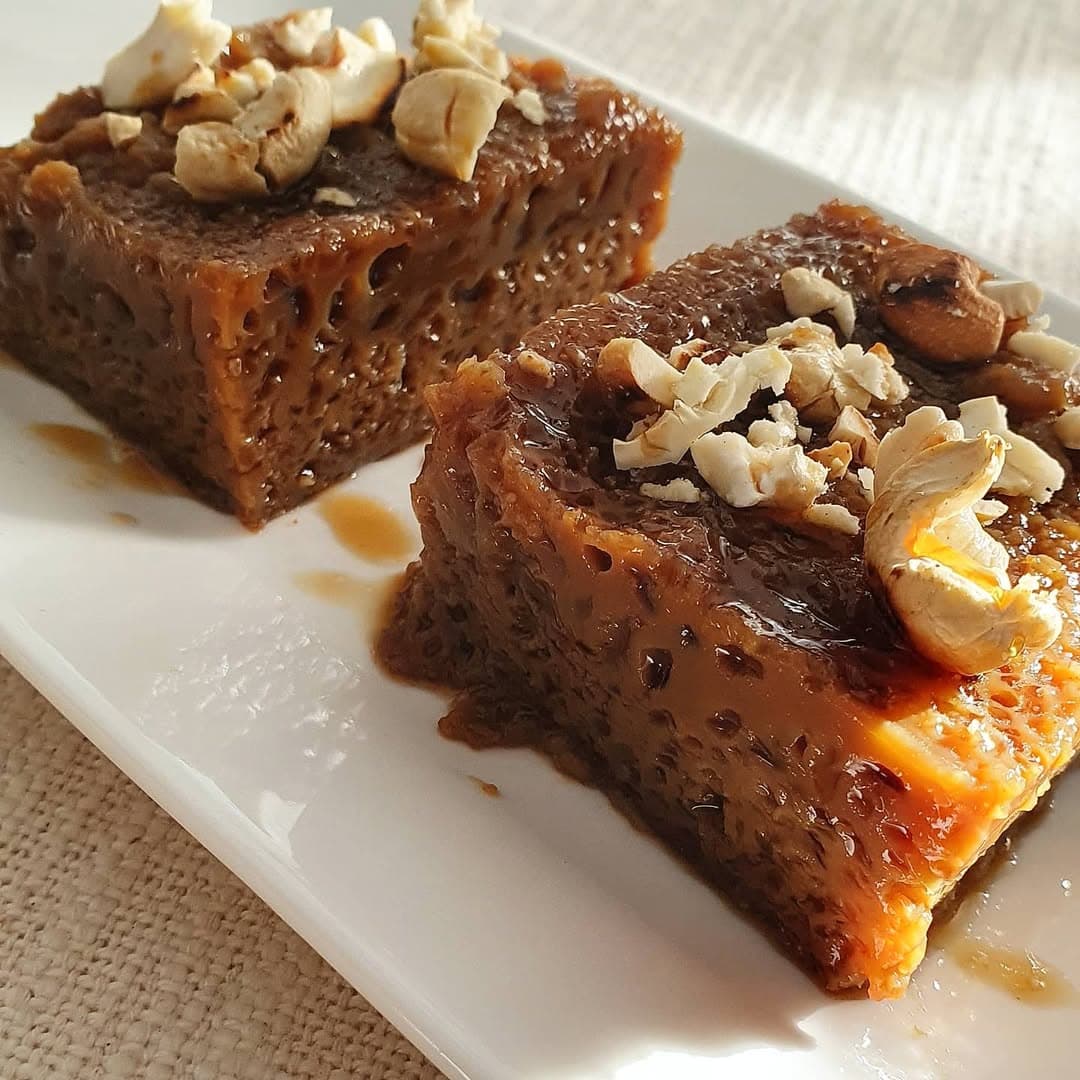
Watalappan
DessertA rich, creamy coconut custard pudding with jaggery (palm sugar), cashew nuts, and cardamom. This is Sri Lanka's most famous dessert! It's steamed until perfectly set and has a caramel-like flavor.
😋 Taste:
Sweet, creamy, and aromatic with hints of cardamom and nutmeg.
💡 Tip:
Served chilled or at room temperature. Perfect after a spicy meal!
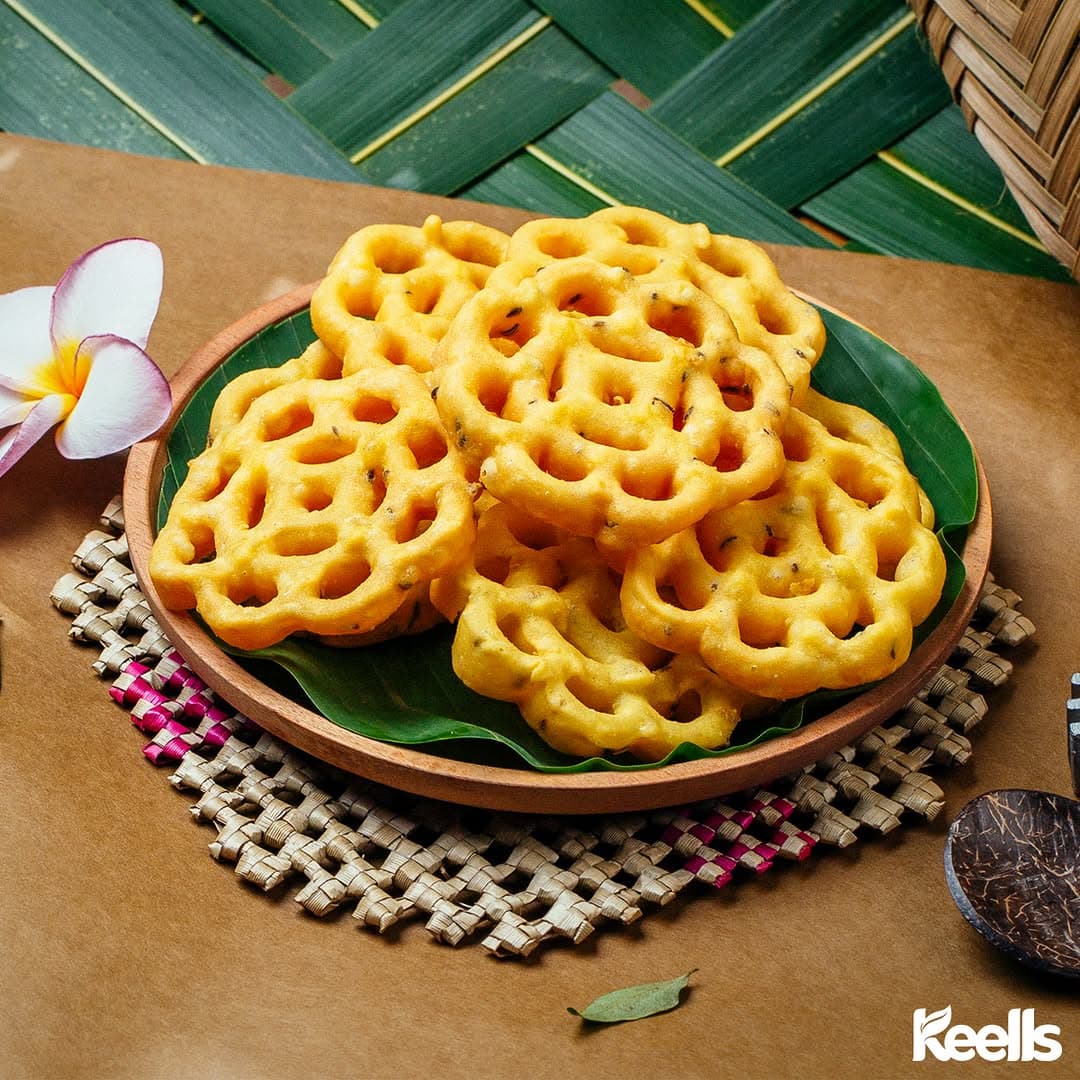
Kokis
SweetBeautiful flower-shaped crispy cookies! Made during festive seasons, especially Sinhala and Tamil New Year. The batter is poured through a special mold into hot oil, creating these crunchy, sweet treats.
😋 Taste:
Crispy, slightly sweet, and coconutty.
💡 Tip:
Great with tea! Look for them during April (New Year season).
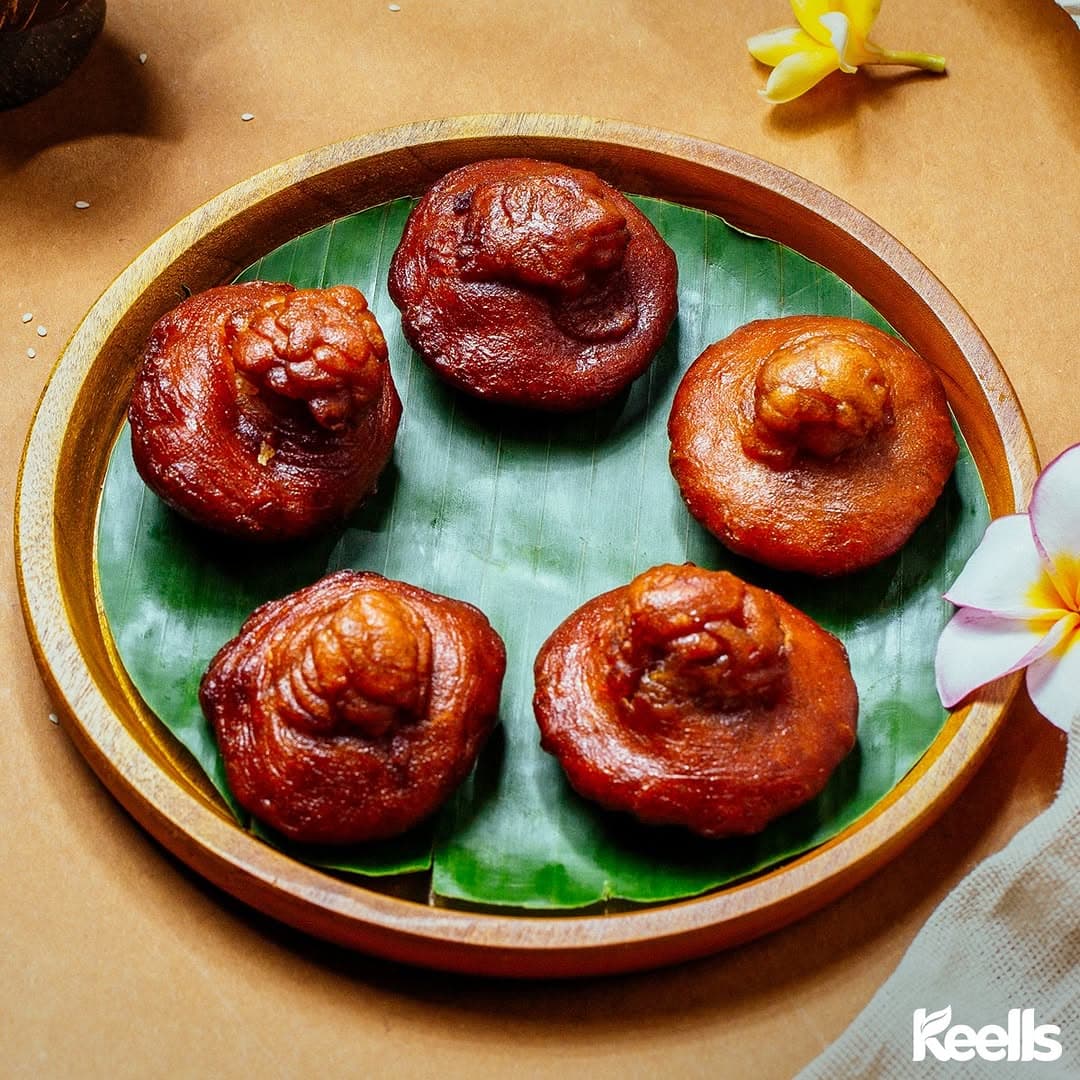
Kavum
SweetDeep-fried sweet cakes made with rice flour and treacle (kithul syrup). They're crunchy on the outside and soft inside with a beautiful golden color. A traditional festive sweet!
😋 Taste:
Sweet with a unique treacle flavor and crispy texture.
💡 Tip:
Best fresh and warm! Common during New Year celebrations.
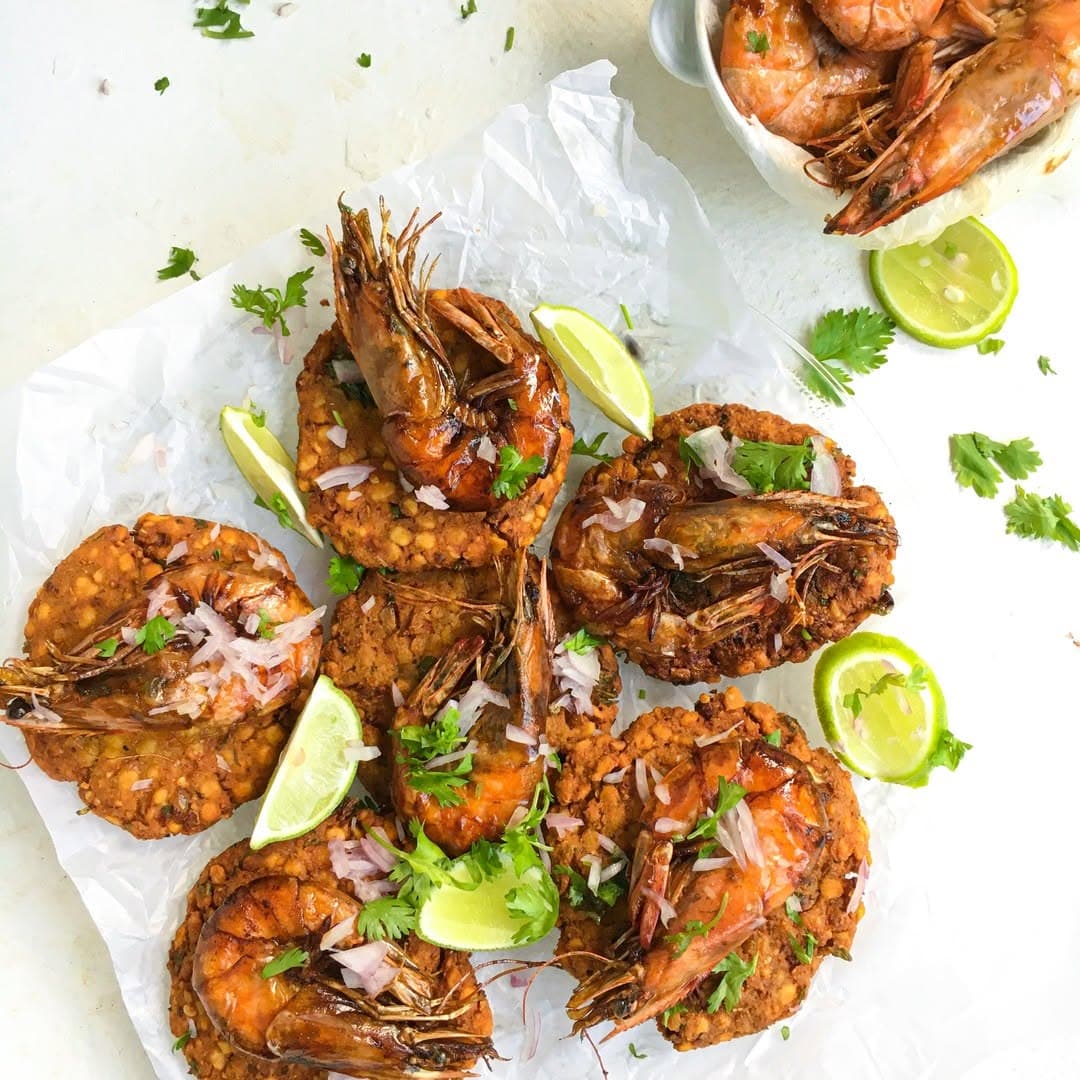
Isso Wadey (Prawn Fritters)
SnackCrispy, golden fritters loaded with fresh prawns! Made with lentil batter, onions, curry leaves, and chilies. They're a popular tea-time snack and absolutely irresistible!
😋 Taste:
Crispy, savory, with a nice prawn flavor and mild spice.
💡 Tip:
Best eaten hot with chili sauce. Perfect for evening snack time!
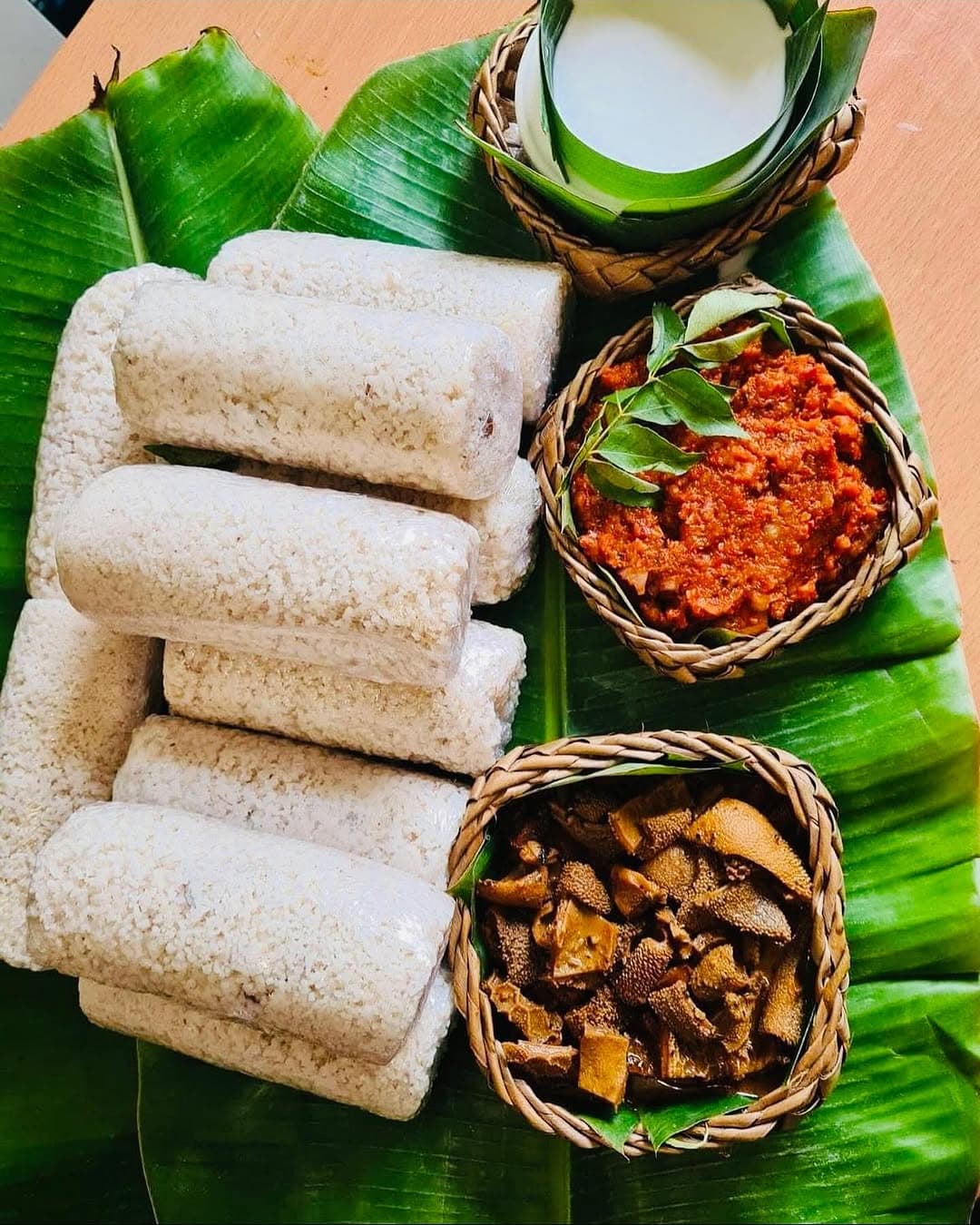
Pittu
BreakfastSteamed cylinders of rice flour and fresh coconut, layered and cooked in a bamboo mold. It's a traditional breakfast that's healthy and filling!
😋 Taste:
Mild, slightly sweet from coconut, with a unique texture.
💡 Tip:
Eat with coconut milk curry, banana, or jaggery. Great for breakfast!
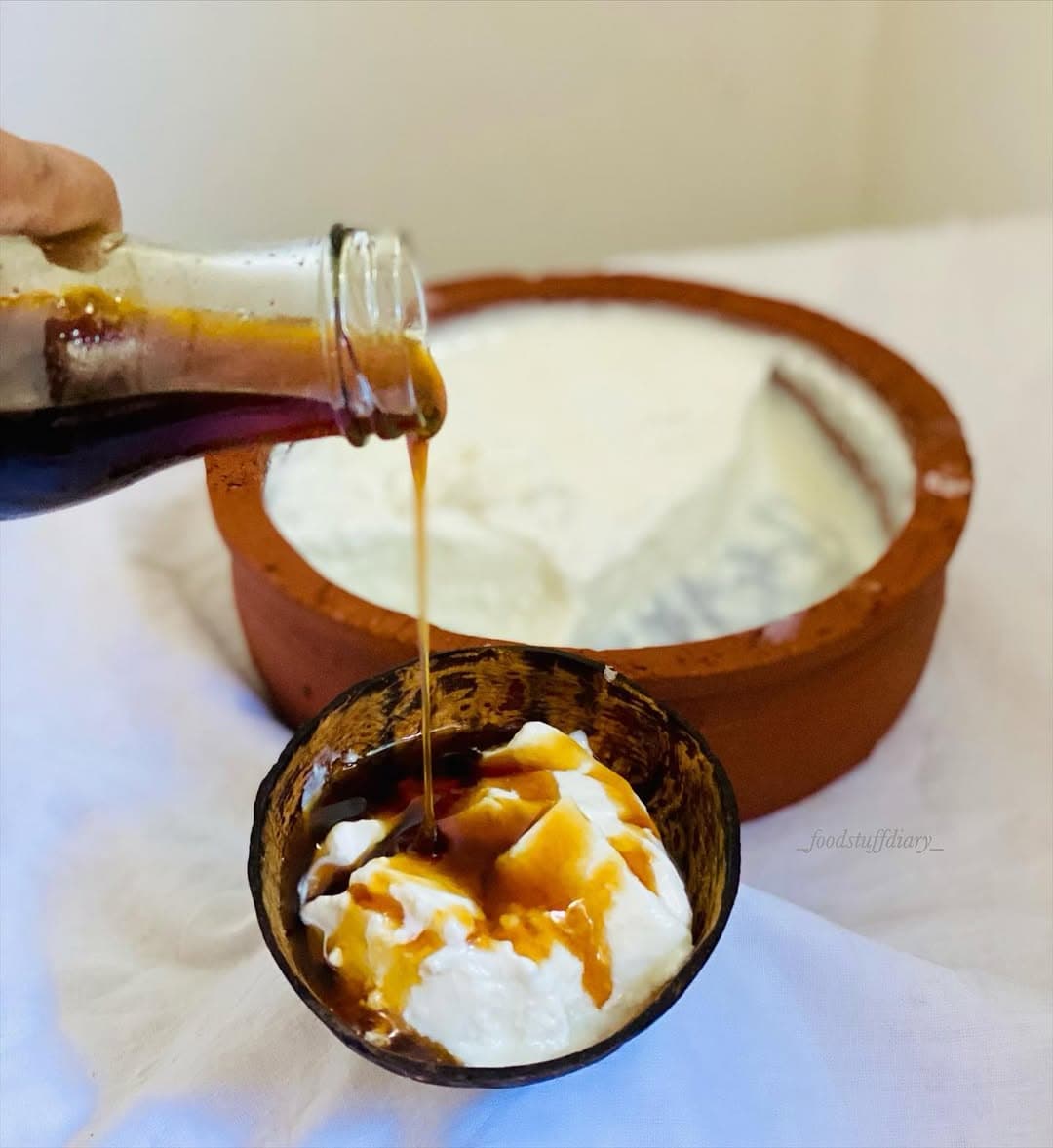
Curd and Honey (Kiri Piti)
DessertThick, creamy buffalo curd served with sweet kithul treacle (palm honey). This simple dessert is incredibly delicious! The curd is tangy and the treacle is sweet - a perfect combination.
😋 Taste:
Tangy curd balanced with sweet, caramel-like treacle.
💡 Tip:
Best served chilled. A light, refreshing dessert!
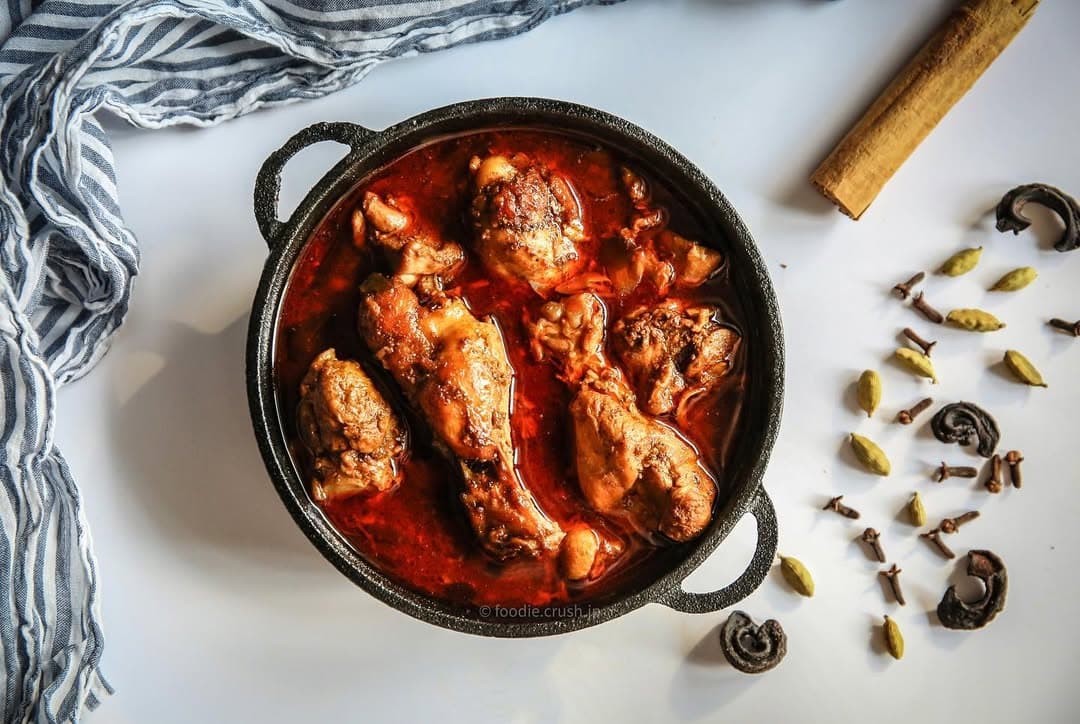
Chicken Curry
CurrySri Lankan chicken curry is rich, spicy, and full of flavor! Cooked with roasted curry powder, coconut milk, curry leaves, and aromatic spices. Every region has its own version!
😋 Taste:
Rich, spicy, and aromatic with coconut undertones.
💡 Tip:
Best with rice. Ask for it at any local restaurant!
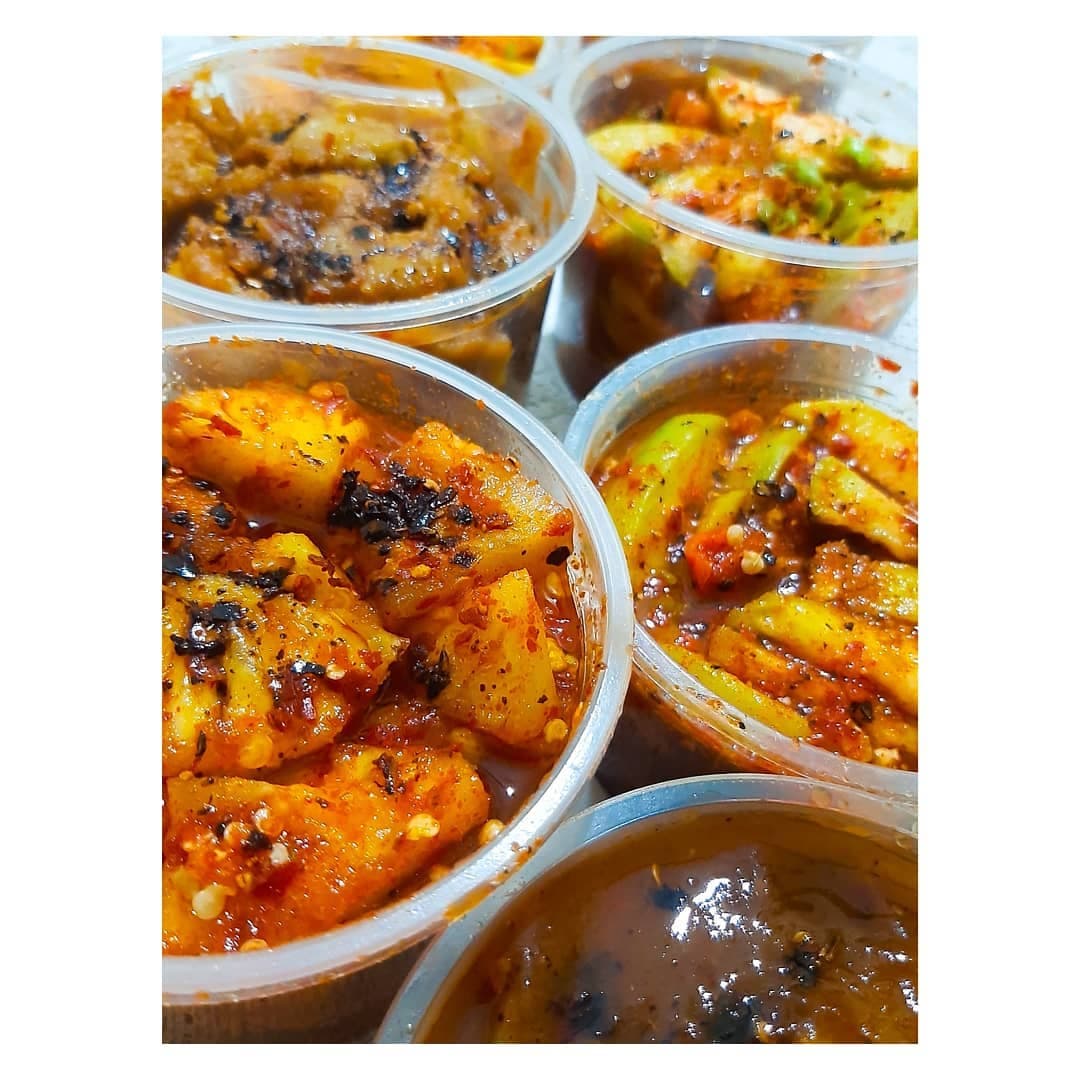
Achcharu (Pickle)
Side DishA tangy, sweet, and spicy pickle made with fruits and vegetables like mango, pineapple, and carrots. Mixed with mustard, vinegar, and sugar - it's addictively good!
😋 Taste:
Tangy, sweet, spicy, and crunchy all at once!
💡 Tip:
Eat as a side with rice or as a snack. Very popular!
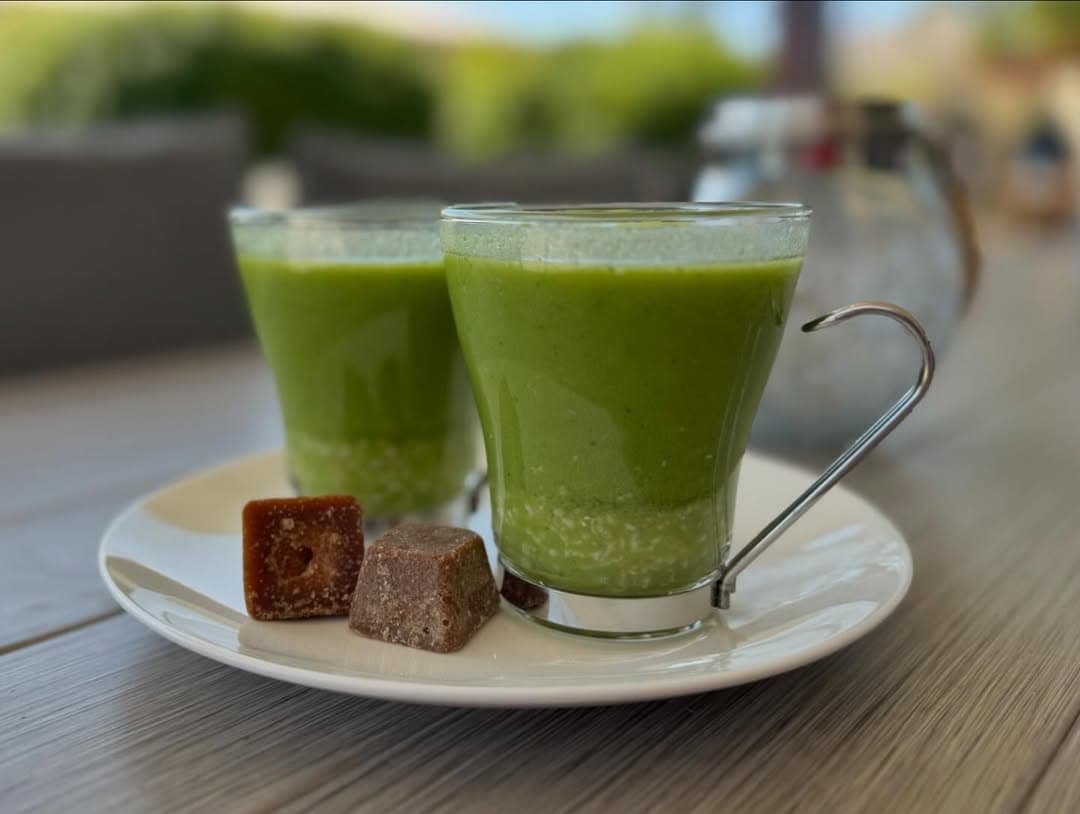
Kola Kanda
BreakfastA healthy green herbal porridge made with leafy greens, rice, and coconut milk. It might look unusual, but it's super healthy and gives you energy for the whole day!
😋 Taste:
Earthy, mild, and nutritious.
💡 Tip:
Best for breakfast. Considered very healthy and energizing!
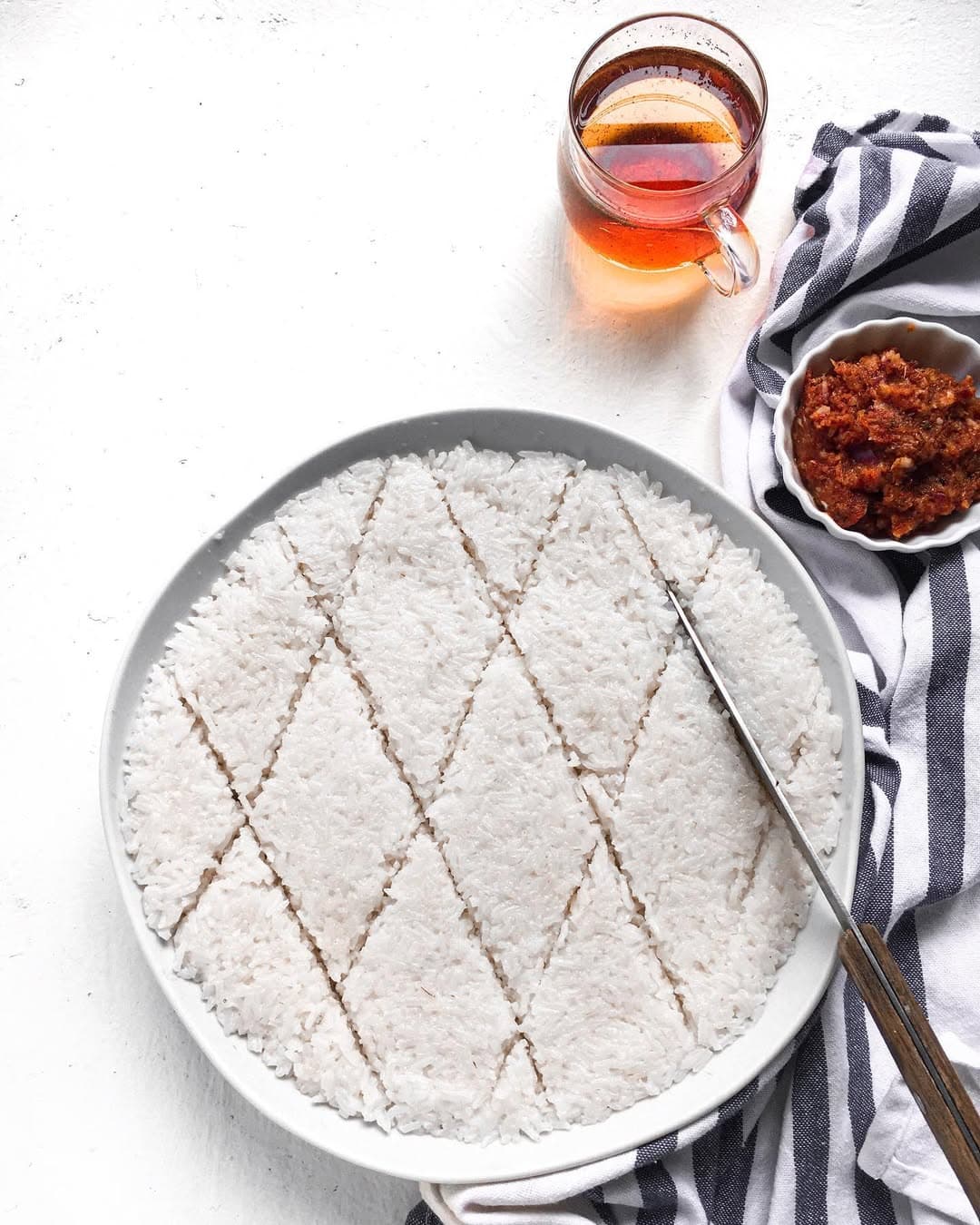
Kiribath (Milk Rice)
Special DishA traditional dish made by cooking rice in thick coconut milk until creamy. Kiribath is eaten during special occasions, festivals, and to celebrate new beginnings! It's often the first thing eaten on New Year's Day.
😋 Taste:
Creamy, mildly sweet from coconut, soft and comforting.
💡 Tip:
Cut into diamond shapes and eat with lunu miris or jaggery. Perfect for breakfast on special days!
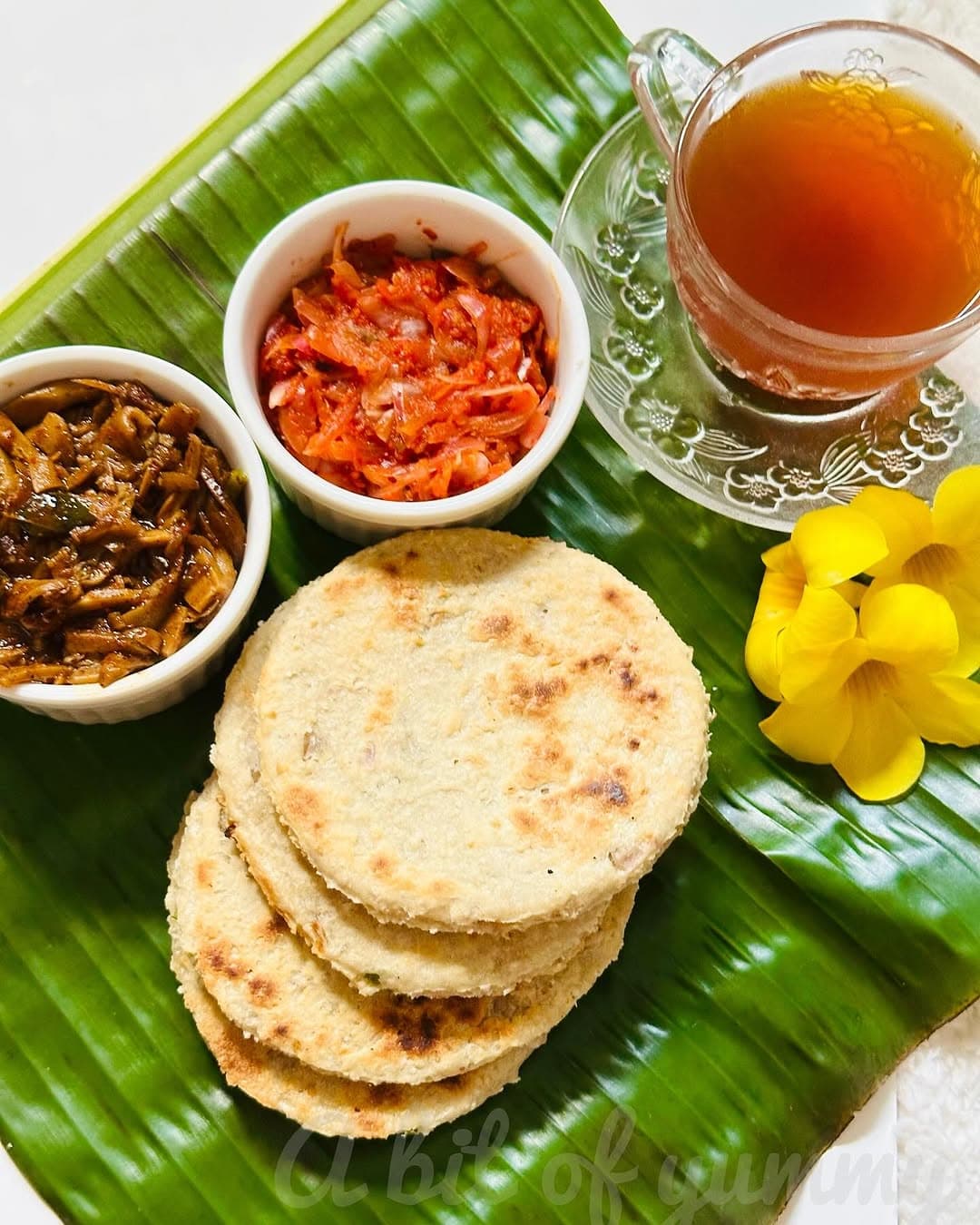
Roti
BreakfastA thin, flatbread made from wheat flour and grated coconut. Unlike Indian roti, Sri Lankan roti is thicker and contains coconut, giving it a unique flavor! Often stuffed with vegetables or eaten plain.
😋 Taste:
Soft, slightly sweet from coconut, filling and delicious.
💡 Tip:
Eat with curry or make it into a wrap with vegetables. Great for breakfast or dinner!
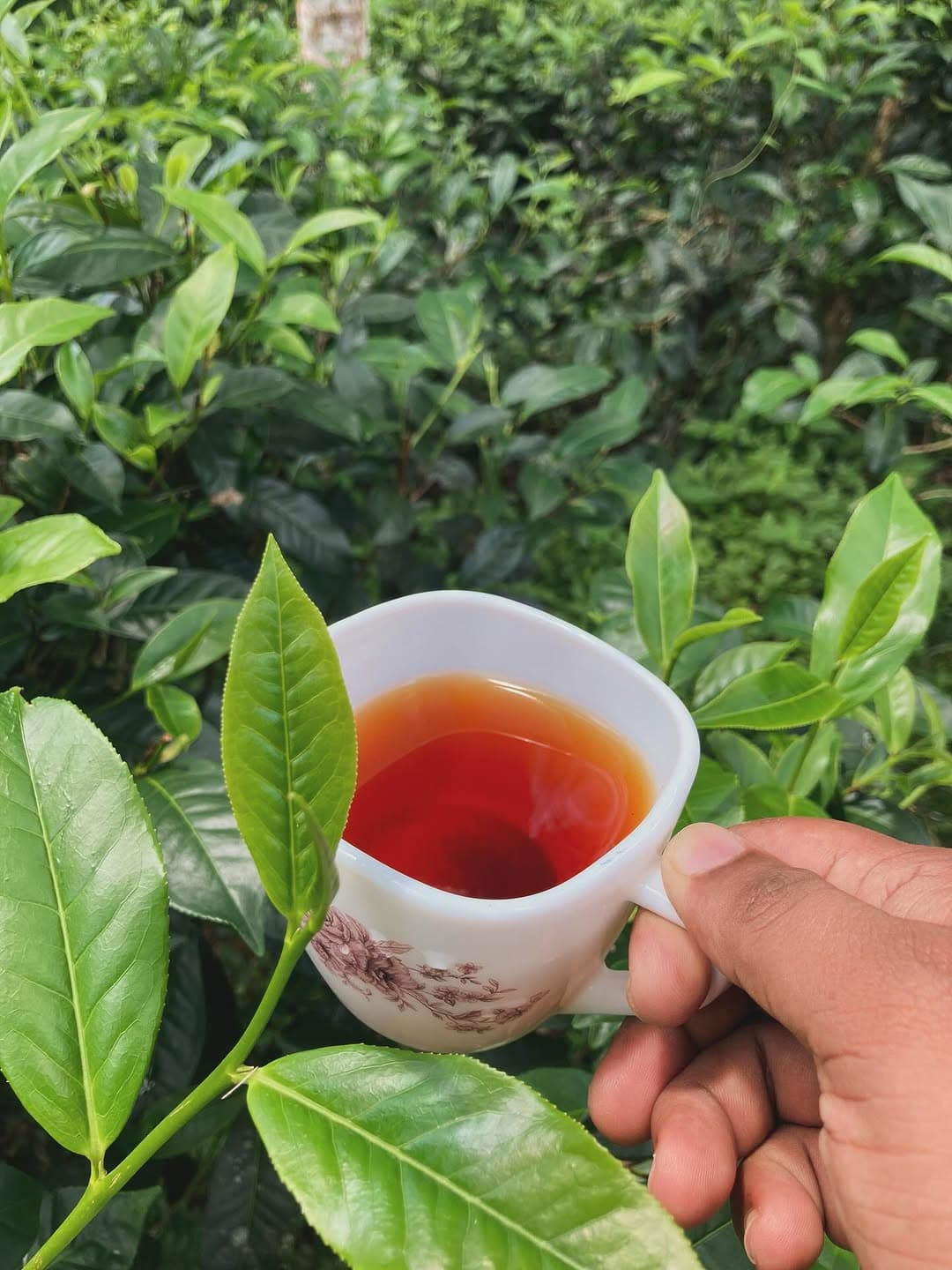
Ceylon Tea
BeverageWorld-famous black tea grown in Sri Lanka's cool highlands! Ceylon tea is known for its bright color, strong flavor, and refreshing taste. Watching tea being picked and processed is a must-do experience!
😋 Taste:
Strong, bold, slightly citrusy with a clean finish.
💡 Tip:
Try it plain or with milk and sugar. Visit a tea plantation to taste fresh tea!
Regional Food Specialties 🗺️
Each region of Sri Lanka has its own special dishes and flavors. Here's what to try where!
🏖️ Coastal Cuisine
Galle & Southern Coast
- •Fresh seafood curries
- •Crab curry
- •Prawns with coconut
Negombo
- •Lagoon crab
- •Fresh fish varieties
- •Coconut-based curries
Trincomalee
- •Unique Tamil-influenced seafood dishes
- •Fish and rice combinations
🏔️ Hill Country
Kandy
- •Traditional Kandyan cuisine
- •Special rice varieties
- •Temple food
Nuwara Eliya
- •Tea estate cuisine
- •British-influenced dishes
- •Highland vegetables
Ella
- •Mountain herbs
- •Unique vegetable curries
- •Cool climate specialties
🌴 Northern Cuisine
Jaffna
- •Tamil cuisine
- •Crab curry
- •Unique spice blends
- •Palmyra-based dishes
Mannar
- •Seafood specialties
- •Traditional fishing community recipes
Anuradhapura
- •Ancient royal cuisine traditions
- •Special rice preparations
Essential Food Experience Tips for Foreigners 🌍
Before You Start Eating 🍴
Wash Your Hands!
Many Sri Lankans eat with their hands, especially rice and curry. If you want to try this, always wash your hands first! Use your right hand only (left hand is considered unclean).
Start Small with Spice
If you're not used to spicy food, start with small portions. You can always ask for more! Say "kakulu tikak" (less spicy) when ordering.
Bottled Water Only
Stick to bottled or filtered water. Avoid tap water and ice in drinks unless you're at a reputable restaurant. This helps prevent stomach issues.
Ask Questions!
Don't know what something is? Ask! Sri Lankans love to explain their food and are very happy when foreigners show interest in local cuisine.
During Your Meal 🥘
How to Eat Rice & Curry
Take small portions of different curries and mix them with rice on your plate. Don't pile everything at once - it's normal to take seconds! Mix well with your hand or spoon and enjoy the combination of flavors.
Too Spicy? Quick Fixes!
If food is too spicy, DON'T drink water! Instead, eat plain rice, yogurt (curd), or coconut milk. These help cool your mouth. Bread and banana also work well.
Eating With Your Hand
Use your fingertips, not your whole hand! Take a small amount of rice and curry, compress it into a small ball with your fingers, and push it into your mouth with your thumb. It takes practice but locals will help you!
Utensils Are Fine Too!
You don't have to eat with your hand! Asking for a spoon and fork is perfectly acceptable. Most restaurants have them ready.
Spice Level Guide 🌶️
For Beginners:
Start with mild dishes like plain rice, dhal curry, and coconut sambol (just a tiny bit). Ask for 'less spicy' when ordering. Most restaurants are happy to adjust spice levels for tourists.
Safe options:
- Fried rice, noodles, grilled fish
- Always have yogurt or coconut water nearby
- Don't drink water immediately - it spreads the heat
Building Tolerance:
Gradually try spicier dishes over several days. Your taste buds will adapt! Sri Lankan cuisine has different types of heat - some burn, others are aromatic and warm.
Dining Etiquette 🍽️
Eating Style:
Many Sri Lankans eat with their right hand, mixing rice and curry together. Don't worry - utensils are always available for tourists. Sharing food is common and shows friendship.
Best Practices:
- •
Try a bit of everything on your plate
- •
It's okay to ask what ingredients are in a dish
- •
Finishing your food shows appreciation
- •
Tipping 10% is appreciated but not mandatory
- •
Take photos - locals love sharing their food culture!
Safety & Health Tips 💊
⚠️ Street Food Safety
Choose busy stalls with lots of locals - that means fresh food! Watch how food is prepared. Avoid raw salads and pre-cut fruits from street vendors.
✅ Safe Choices
Freshly cooked hot food is safest. Hoppers, kottu, and rice & curry made fresh are generally safe. Fruits you peel yourself are also good!
💊 Just in Case
Bring anti-diarrhea medicine and antacids. Your stomach might need time to adjust to new spices. If you feel unwell, drink lots of bottled water and rest.
Where to Experience Authentic Sri Lankan Food 📍
Local "Hotels" (Restaurants)
Don't be confused - in Sri Lanka, "hotel" often means a small local restaurant! These are the BEST places for authentic food. They serve fresh rice and curry daily.
What to Try:
Rice and curry lunch (usually Rs. 250-400), string hoppers for breakfast, and local sweets.
Night Food Stalls
Street food comes alive at night! Listen for the "chop chop" sound of kottu being made. These stalls are social gathering spots and serve delicious, cheap food.
What to Try:
Kottu roti, hoppers with egg, fried rice, and fresh fruit juices. Usually open 6pm-midnight.
Home-Stay Experiences
Want the MOST authentic experience? Stay with a local family! Many homestays offer cooking classes where you can learn to make Sri Lankan dishes.
What You'll Learn:
How to make curry from scratch, grind fresh coconut, and create traditional meals. Plus you get to eat what you cook!
Traditional Restaurants
Established restaurants offering traditional Sri Lankan cuisine in a comfortable setting. Great for first-timers who want authentic food with air conditioning!
Famous Spots:
Ministry of Crab (Colombo), Galle Face Hotel (Colombo), local restaurants in Galle Fort. More expensive but quality guaranteed.
Foodie Tips for Travelers 📝
🌶️ About the Spice
Sri Lankan food can be spicy! If you're not used to heat, always ask for "less spicy" or "mild". Most restaurants are happy to adjust the spice level for you.
🍚 Rice & Curry Etiquette
It's perfectly normal to eat rice and curry with your right hand! Just wash your hands first. Or use a spoon - no one will judge!
🏪 Where to Eat
Try local restaurants and "rice & curry shops" for authentic experiences. Street food is generally safe - look for busy places with lots of locals!
💰 Good Value
Sri Lankan food is affordable! A full rice and curry meal costs around 300-500 LKR ($1-2 USD) at local restaurants. Street food is even cheaper!
🥤 Stay Hydrated
The spicy food might make you thirsty! Try king coconut water, fresh lime juice, or wood apple juice to cool down. Avoid tap water - stick to bottled water.
⏰ Meal Times
Breakfast is usually 7-9am (hoppers, string hoppers). Lunch is noon-2pm (rice & curry). Dinner is 7-9pm. Many places serve kottu late into the night!
Special Dietary Needs? No Problem! 🥗
🌱 Vegetarian & Vegan Options
Great news for vegetarians! Sri Lankan cuisine has tons of veggie options. Rice and curry meals always include multiple vegetable curries, dhal, and sambols. Just say "no meat, no fish" and you'll still have plenty to eat!
Vegan tip: Ask for "no milk" or "no curd" in curries to make them vegan-friendly.
🐟 Seafood Lovers
Being an island nation, Sri Lanka has amazing seafood! Fresh fish curries, prawn dishes, crab curry, and squid are all fantastic. Coastal areas especially have great seafood options.
🥜 Allergy Concerns
Always inform the restaurant about allergies! Common ingredients to watch for: coconut (in almost everything), peanuts, cashews, and sesame. Most places are understanding and will help you choose safe options.
Take the Flavors Home! 🎁
Want to recreate Sri Lankan flavors at home? Here's what you can buy:
Ceylon Tea ☕
World-famous! Buy from tea factories or supermarkets.
Curry Powder 🌶️
Authentic roasted curry powder - the secret to Sri Lankan flavor!
Kiri Pani (Milk Toffee) 🍬
Sweet and delicious! Makes great gifts.
Ceylon Cinnamon 🌿
Real cinnamon from Sri Lanka - superior quality!
Treacle & Jaggery 🍯
Natural palm syrup and palm sugar - unique sweeteners!
Spices 🧂
Cardamom, cloves, pepper - all fresh from Sri Lanka!
Ready to Taste Sri Lanka? 🌴
Sri Lankan cuisine is an adventure for your taste buds! From spicy curries to sweet treats, every meal is a new experience. Don't be shy - try everything and discover your favorites!
Fun Food Facts! 🤓
Sri Lankans use coconut in over 50 different ways in cooking!
The "Carolina Reaper" (world's hottest chili) has roots in Sri Lankan varieties!
A traditional rice & curry meal can have 15-20 different dishes on one plate!