
Ramayana Sites in Sri Lanka
Journey through the legendary locations of the ancient epic
The sites featured in this article are based on ancient legends, local traditions, and cultural beliefs passed down through generations. While these locations hold deep spiritual and historical significance for devotees and are an integral part of Sri Lankan heritage, the specific connections to the Ramayana epic are founded on folklore, oral traditions, and religious faith rather than scientifically verified historical evidence. We present these sites respectfully as cultural and pilgrimage destinations that offer insight into Sri Lanka's rich mythological heritage and the enduring influence of the Ramayana epic in South Asian culture.
Sri Lanka holds a special place in the ancient Indian epic, the Ramayana. According to legend, this beautiful island was the kingdom of Ravana, the ten-headed demon king who abducted Sita, the wife of Prince Rama. Today, visitors can explore numerous sites across Sri Lanka that are connected to this timeless story, offering a unique blend of spirituality, history, and natural beauty.
From sacred temples built where Sita was held captive to caves where Ravana is believed to have hidden, these locations provide insight into one of the world's greatest epics. Whether you're a devotee, history enthusiast, or curious traveler, the Ramayana trail in Sri Lanka offers an unforgettable journey through myth and legend.
Each site tells a part of the epic story - from Sita's captivity in Ashok Vatika to Hanuman's heroic search, from Ravana's magnificent kingdom to the final battle between good and evil. These places are not just historical curiosities; they are living sites of worship and pilgrimage that continue to inspire devotion and wonder.
The Ramayana Story in Lanka
According to the Ramayana, Sri Lanka was known as Lanka, the golden kingdom ruled by the powerful Ravana. The island became central to the epic when Ravana abducted Sita while she was in exile with Rama and Lakshmana in the forests of India.
- • Sita's captivity in Ashok Vatika
- • Hanuman's search and discovery of Sita
- • The burning of Lanka by Hanuman's tail
- • Rama's arrival with his army
- • The great battle between Rama and Ravana
- • Sita's rescue and return to India
The Ramayana sites in Sri Lanka represent a unique blend of Hindu and Buddhist traditions. Local legends passed down through generations have preserved these stories, making them an integral part of Sri Lankan culture and heritage.
- • Blend of Hindu and Buddhist traditions
- • Archaeological sites with ancient connections
- • Pilgrimage destinations for devotees
- • Cultural festivals celebrating the epic
- • Integration with Sri Lankan folklore
- • Living traditions of worship and devotion
Sacred Ramayana Sites to Visit
Explore the legendary locations where the ancient epic came to life across Sri Lanka

Seetha Amman Temple
Sita Eliya, Nuwara Eliya
Nestled beside a mountain stream in the Sita Eliya area, this vibrant temple marks the legendary spot where Sita was kept captive by King Ravana. The temple is adorned with colorful statues depicting scenes from the Ramayana, and devotees believe the nearby stream is where Sita bathed. Natural springs and small pools surround the area, with ancient trees believed to have been planted by Sita herself. Footprints in the rock are said to be those of Hanuman, who brought Rama's message to Sita here. The temple is a focal point for pilgrims, especially during the annual Ramayana festival.
Highlights:
- •Only temple in the world dedicated to Sita Devi
- •Features shrines to Rama, Lakshmana, and Hanuman
- •Natural springs and sacred stream where Sita bathed
- •Ancient trees believed planted by Sita during captivity
- •Surrounded by lush tea estates and misty hills
Ravana Ella & Ravana Cave
Ella
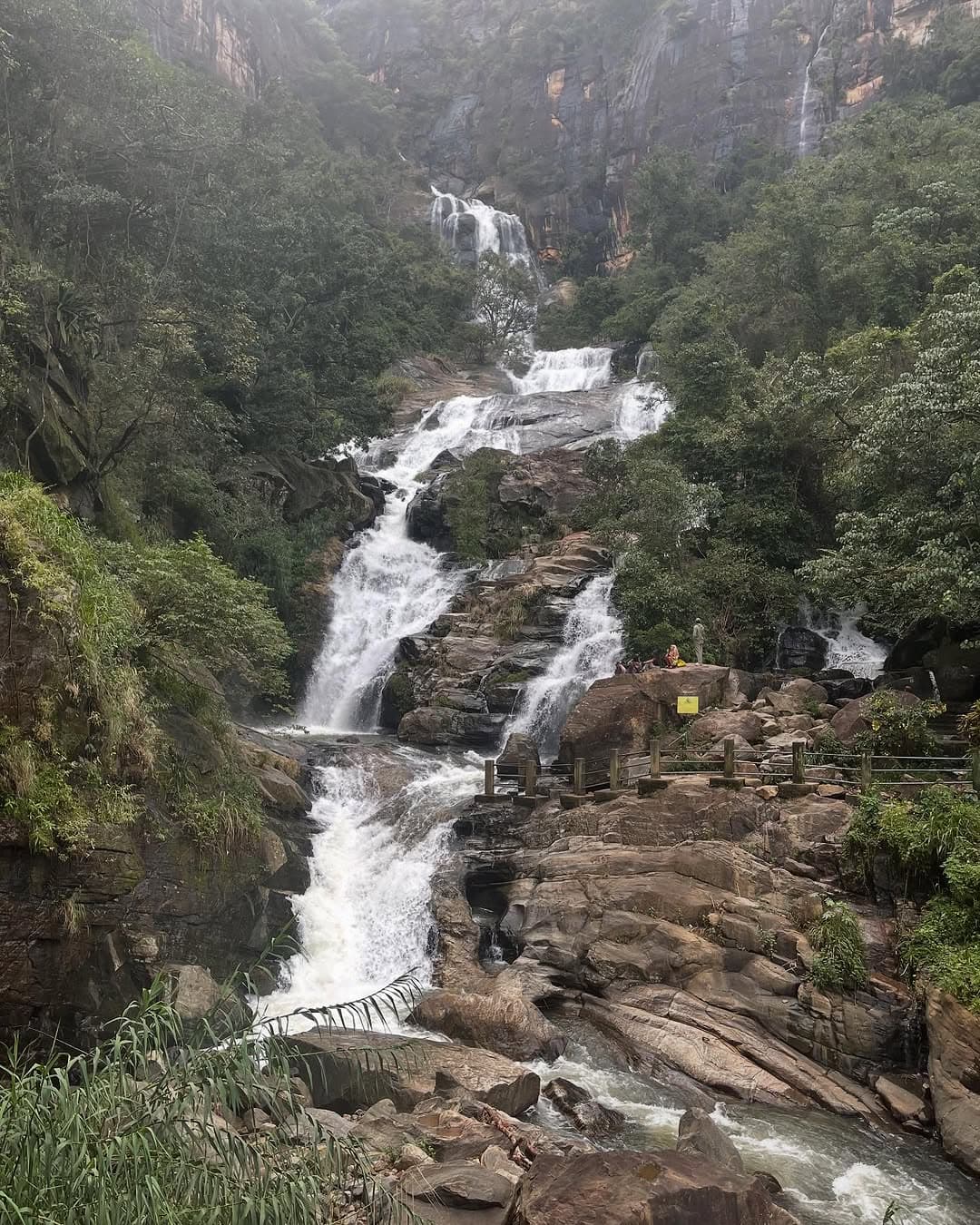
The dramatic Ravana Falls cascade down a rocky cliff, while the nearby cave is believed to have been used by Ravana to hide Sita. The cave's winding passages and the falls' misty spray evoke the mystery and drama of the Ramayana legend. Archaeological finds, such as ancient inscriptions and artifacts, add to the site's intrigue. The area is also popular for hiking and offers breathtaking views of the surrounding valleys.
Highlights:
- •One of the widest waterfalls in Sri Lanka
- •Ravana Cave is over 1,000 meters above sea level
- •Guided tours available for cave exploration
- •Archaeological artifacts discovered inside
Divurumpola
Nuwara Eliya
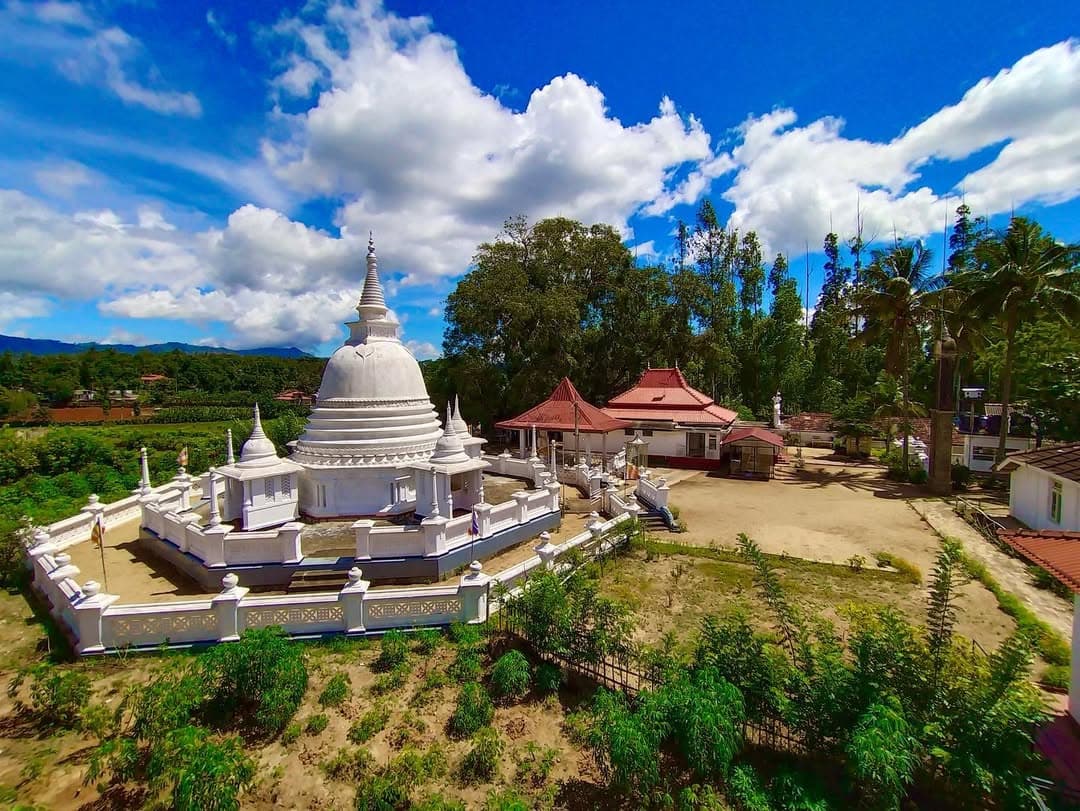
Divurumpola is revered as the place where Sita underwent her famous 'Agni Pariksha' (trial by fire) to prove her purity to Rama. The peaceful temple grounds are surrounded by forest, and the site is a place of solemn pilgrimage for many devotees following the Ramayana trail. The temple is also known for its ancient Bo tree and tranquil meditation areas. People believe that Lord Ram killed Ravana here in a fierce battle to rescue Sita.
Highlights:
- •Site of Sita's legendary fire ordeal
- •Popular for religious vows and blessings
- •Features a sacred Bo tree and meditation hall
- •Peaceful forest surroundings
Rumassala
Galle
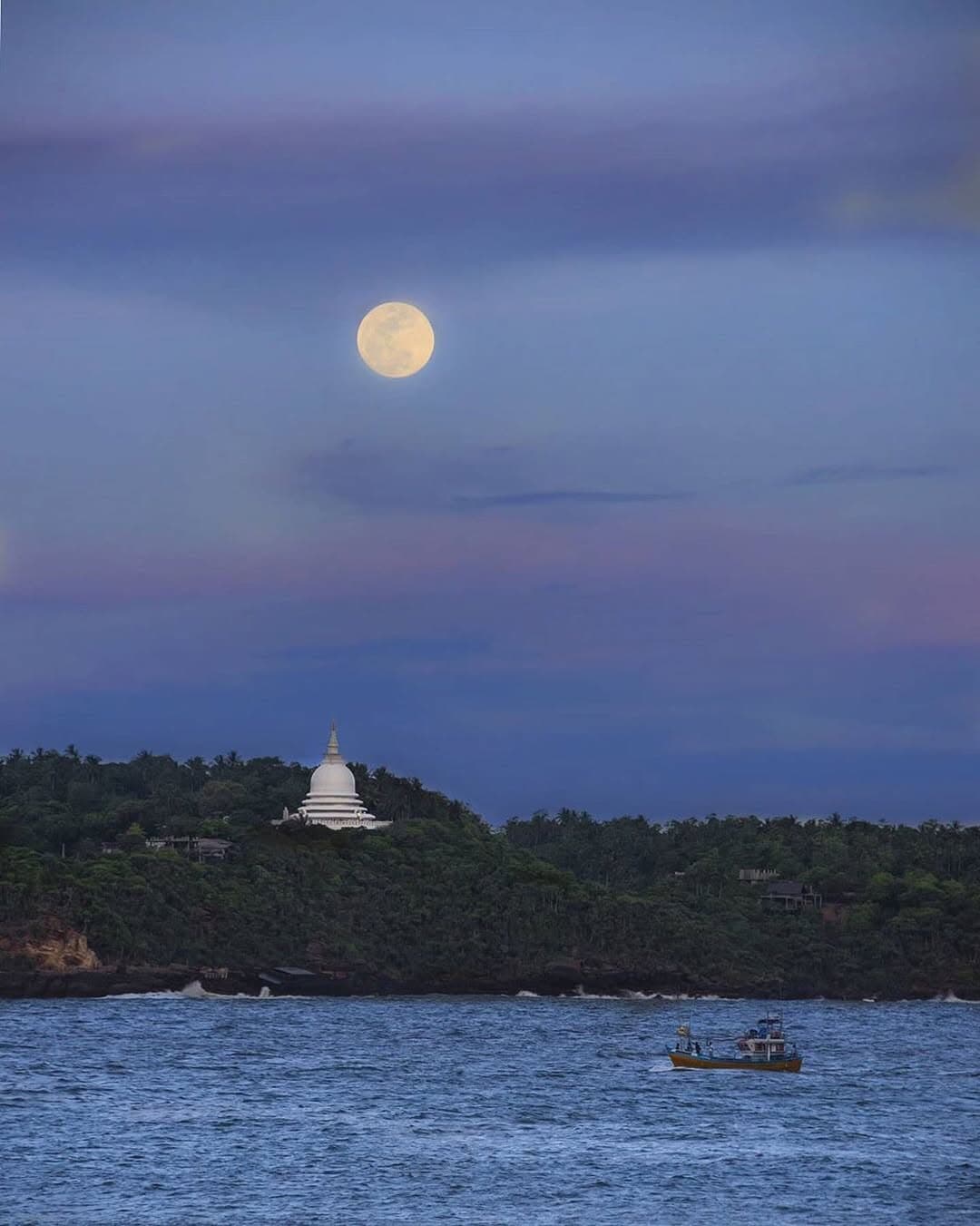
According to legend, Hanuman carried a mountain of medicinal herbs from the Himalayas to Lanka. A piece is said to have fallen at Rumassala, giving rise to its unique flora. The hill offers panoramic views of the southern coast and is a haven for rare plants and birds. The area is also home to the Japanese Peace Pagoda and several scenic walking trails.
Highlights:
- •Rich in rare medicinal plants and herbs
- •Popular for hiking and birdwatching
- •Site of the Japanese Peace Pagoda
- •Panoramic views of the southern coast
Ashok Vatika (Hakgala Garden)
Nuwara Eliya
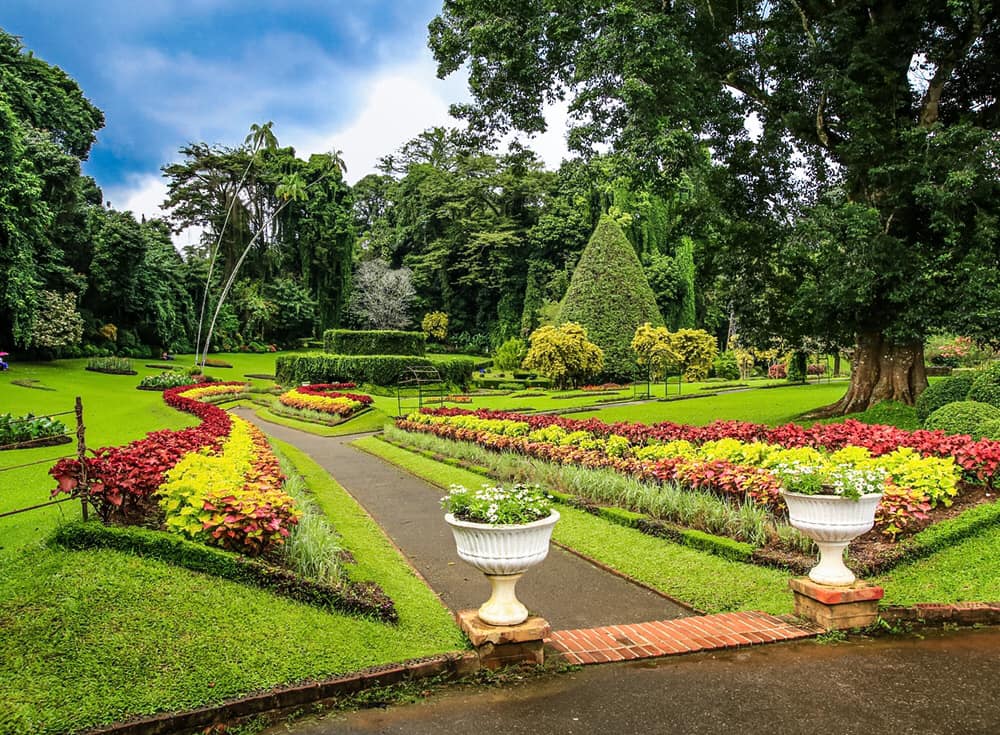
Hakgala Botanical Garden is believed to be the site of Ashok Vatika, the pleasure garden where Sita was kept during her captivity. Today, the garden is famous for its lush landscapes, rare orchids, and cool climate, making it a tranquil spot for reflection and exploration. The garden's terraced layout and diverse plant collections attract botanists and tourists alike.
Highlights:
- •Second largest botanical garden in Sri Lanka
- •Home to over 10,000 species of flora
- •Features themed gardens and scenic viewpoints
- •Cool climate ideal for rare plants

Thiruketheeswaram Temple
Mannar
One of the oldest and most revered Shiva temples in Sri Lanka, Thiruketheeswaram is said to have been frequented by Ravana and his ancestors. The temple's ancient stonework and sacred tank attract pilgrims from across the region, especially during the annual Maha Shivaratri festival. The temple complex is also known for its intricate carvings and vibrant processions.
Highlights:
- •Major pilgrimage site for Shaivites
- •Features a sacred water tank (pond)
- •Hosts colorful annual festivals
- •Ancient stonework and intricate carvings
Trincomalee Koneswaram Temple
Trincomalee
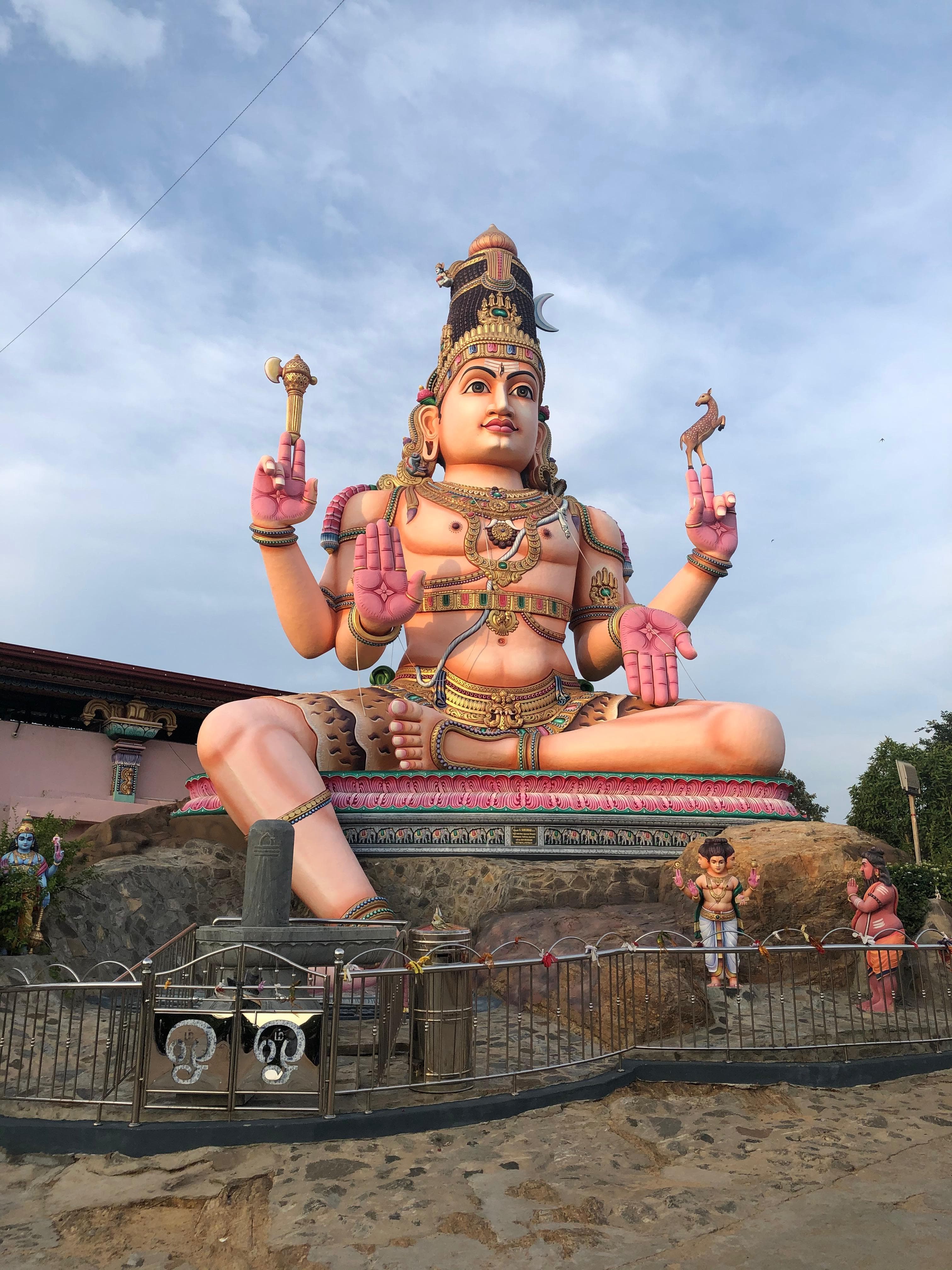
Sitting on top of the 130-meter high Swami Rock, Koneswaram Temple is one of the most important Ramayana sites in Sri Lanka. According to legend, King Ravana was a devoted follower of Lord Shiva and came here regularly to pray. The most famous story tells how Ravana struck the rock with his powerful sword, creating a deep crack that you can still see today. This crack is called 'Ravana Vettu' (Ravana's Cut). Local beliefs say that Ravana would meditate inside this crack and perform special prayers. His mother also came here to worship. The temple was originally called 'Temple of a Thousand Pillars' because of its many beautiful stone columns. Although Portuguese colonizers destroyed it in 1624, it has been rebuilt and remains a sacred place for pilgrims. The views of the Indian Ocean from the cliff are breathtaking.
Highlights:
- •Ravana Vettu - deep rock crack created by Ravana's sword
- •Built on 130-meter high cliff with ocean views
- •One of Sri Lanka's five ancient Shiva temples
- •Where Ravana and his mother worshipped
- •Originally had a thousand stone pillars
- •Annual chariot festival celebration
Chariot Path
Nuwara Eliya
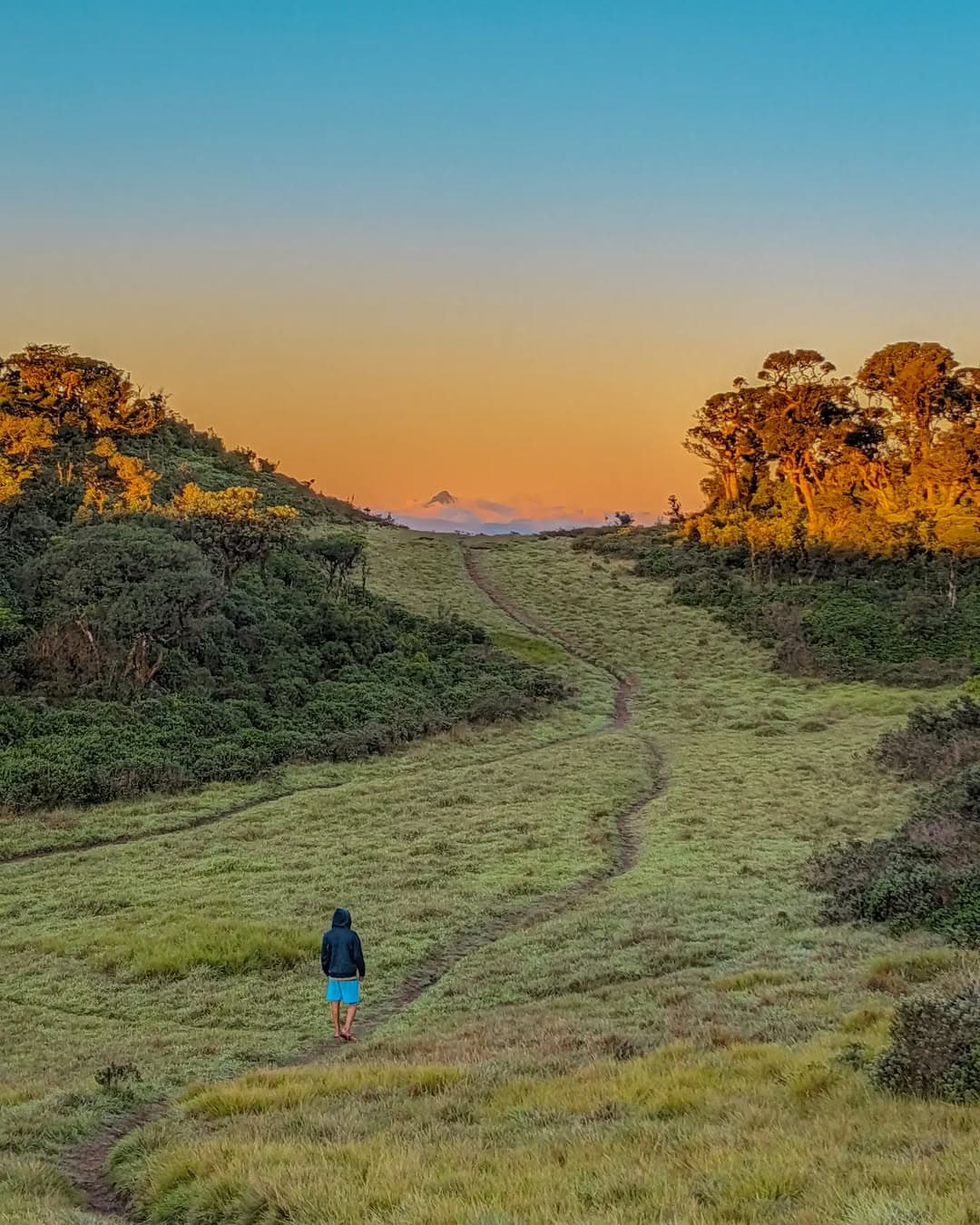
High in the misty hills, the Chariot Path is said to be the route taken by Ravana's chariot when transporting Sita. It is believed to be the place where King Ravana brought Sita to show her the beauty of Sri Lanka The area is dotted with unique flora and offers sweeping views of the surrounding valleys. Pilgrims and trekkers alike are drawn to its mystical atmosphere and natural beauty. The path is especially popular during the Ramayana festival season.
Highlights:
- •Popular trekking route for pilgrims
- •Rich in endemic plant species
- •Offers panoramic views of Nuwara Eliya
- •Mystical atmosphere in misty hills
Ravana Cave (Ravana Guhawa)
Ella
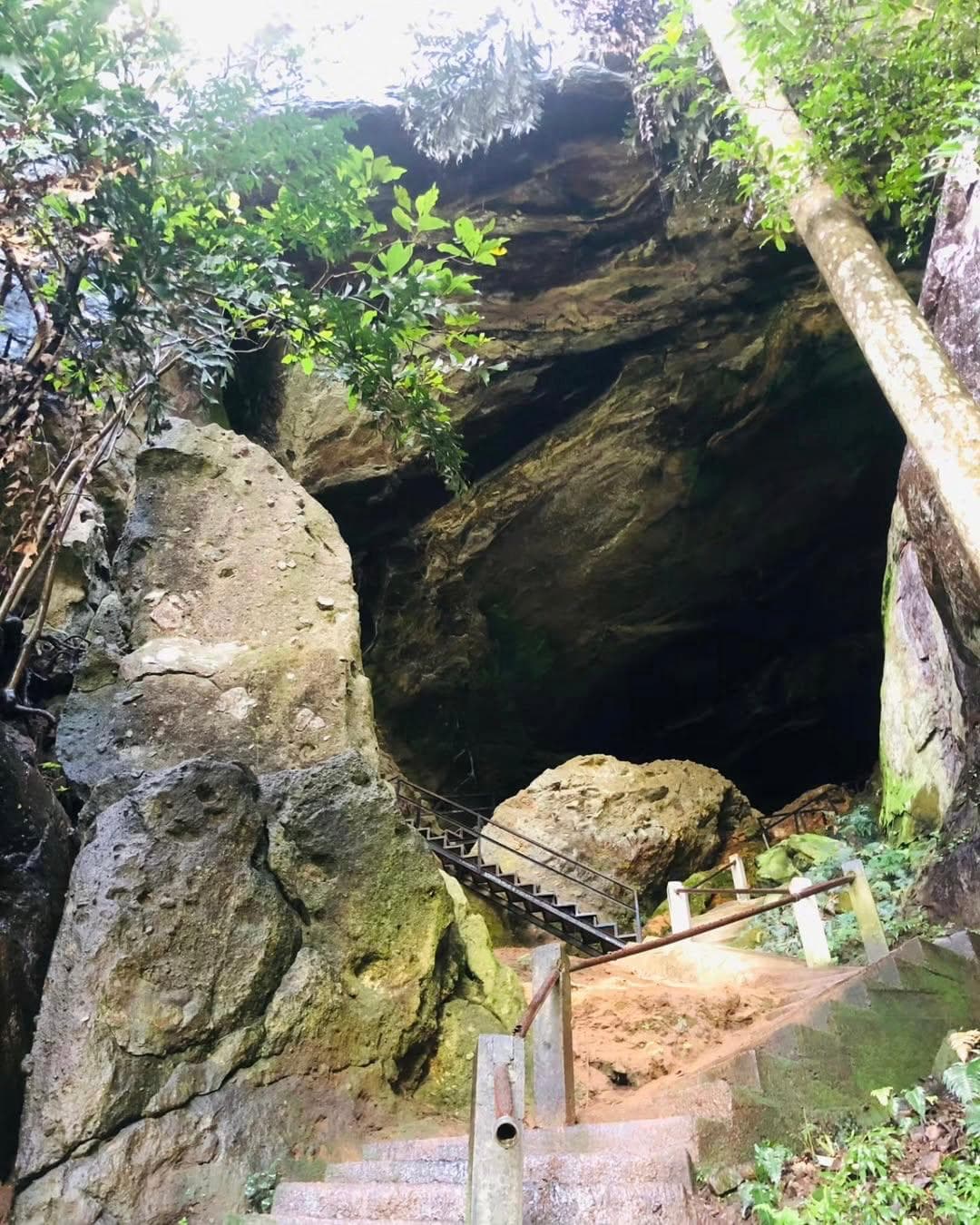
This extensive cave complex is believed to be one of the hiding places where King Ravana kept Sita during her captivity. The cave's remarkable architecture showcases ancient engineering, with its complex network of tunnels and chambers carved into the rock face. Archaeological discoveries within the cave, including ancient inscriptions and artifacts, provide tangible connections to its historical significance.
Highlights:
- •Complex network of tunnels and chambers
- •Evidence of ancient habitation found
- •Located over 1,000 meters above sea level
- •Guided tours available with local experts
Nil Diya Pokuna (Blue Water Pool)
Ella
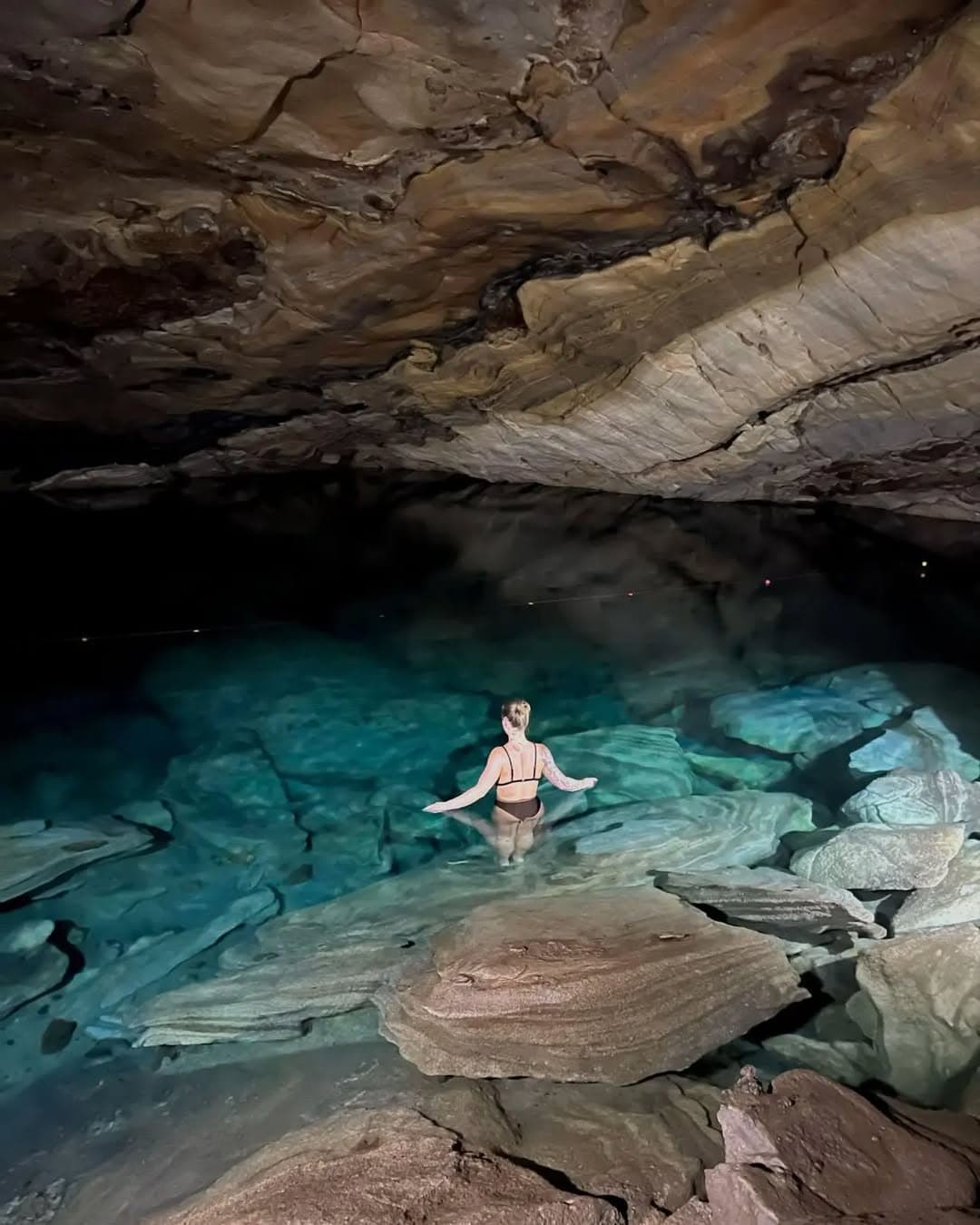
Near the Ravana Cave complex lies the mysterious Nil Diya Pokuna, a natural pool with crystal-clear blue waters. Historically associated with the Ramayana period, this pool is believed to have been used during Ravana's time. The pristine waters and surrounding landscape create an almost mystical atmosphere that connects visitors to the ancient past. Note: This site is currently closed to visitors for conservation purposes and safety measures.
Highlights:
- •Natural pool with crystal-clear waters
- •Historical connection to Ramayana period
- •Surrounded by pristine forest
- •Protected natural heritage site - Currently closed
Istripura (Weragantota)
Mahiyangana
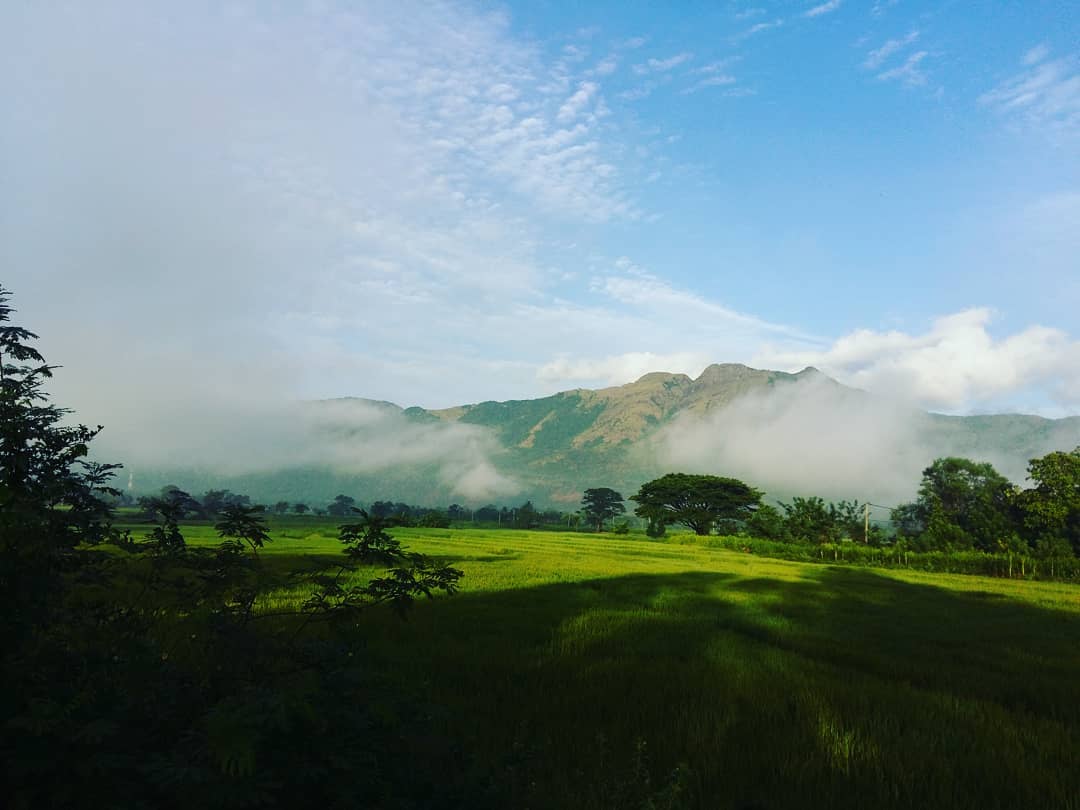
Weragantota, also known as Istripura (meaning 'Women's City'), is believed to be the site of Queen Mandodari's palace. This was where Ravana kept his queen and consorts, separate from where Sita was held captive. The area shows evidence of ancient structures and sophisticated water management systems. Archaeological excavations have revealed foundations and artifacts suggesting a significant settlement from ancient times.
Highlights:
- •Believed site of Mandodari's palace
- •Archaeological remains of ancient structures
- •Sophisticated ancient water systems
- •Scenic location with mountain views
Rama's Bridge (Adam's Bridge)
Mannar
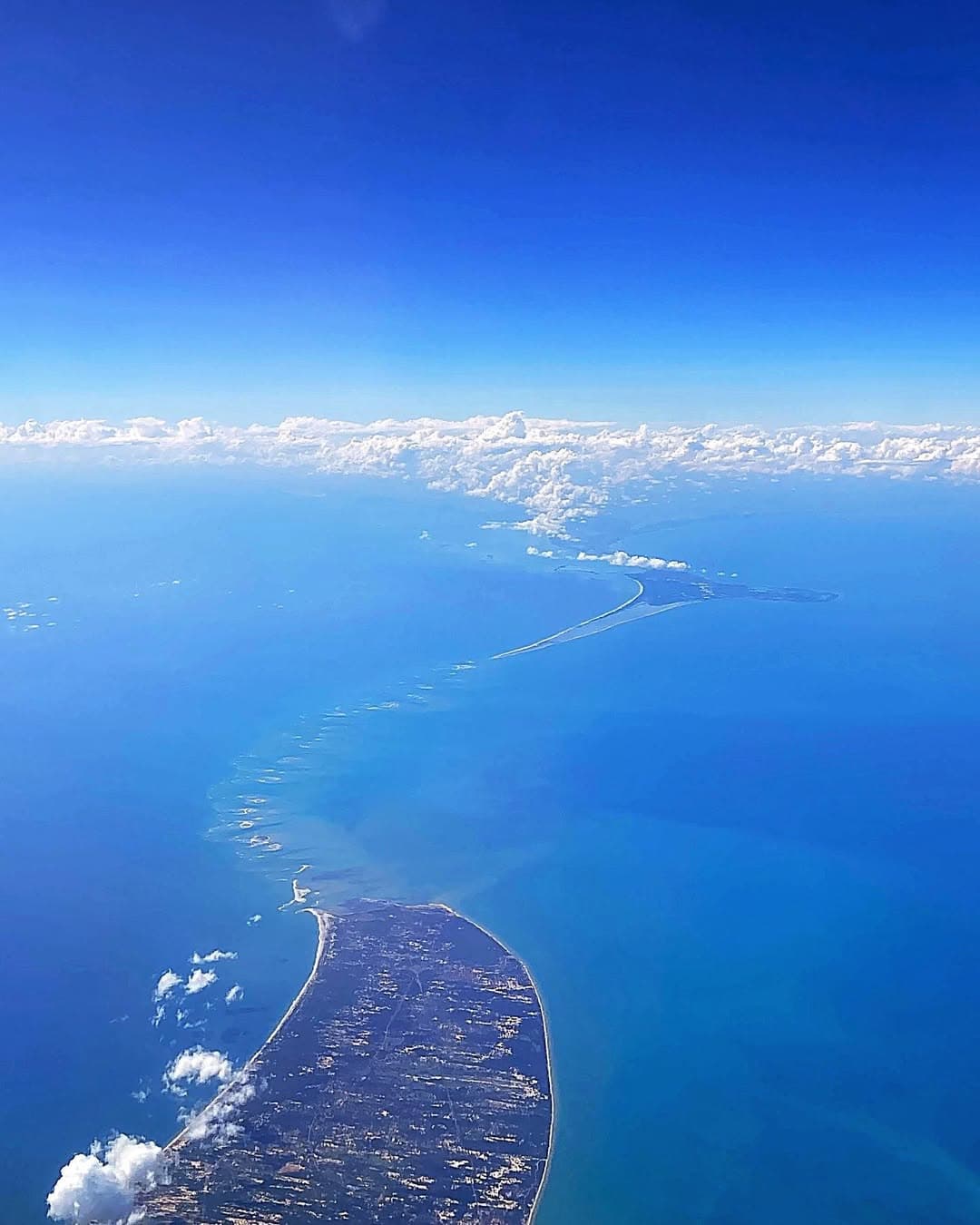
The chain of limestone shoals between Mannar Island and India is believed to be the remnants of the bridge built by Rama's vanara (monkey) army led by Nala to cross the sea to Lanka. Also known as Adam's Bridge, this natural formation stretches about 48 km. Geological surveys show that the rocks are about 7,000 years old, while the surrounding sea is much older. The site holds both mythological and geological significance.
Highlights:
- •Natural limestone shoal formation
- •Connects Sri Lanka to India
- •Visible from satellite imagery
- •Significant pilgrimage site
Planning Your Ramayana Tour
- • Dress Code: Modest clothing for temple visits
- • Guide: Local guide recommended for historical context
- • Duration: 3-5 days for complete Ramayana trail
- • Transportation: Private vehicle recommended
- • Respect: Follow temple customs and traditions
- • Photography: Ask permission at religious sites
Discover the Ramayana Trail
Walk through the ancient sites where this legendary epic unfolded. Experience the magnificent temples and sacred locations from this golden age of Sri Lankan civilization.