
Venomous Snakes in Sri Lanka
Essential Safety Guide for Travelers
Emergency Numbers
If bitten by a snake, call immediately and get to the nearest hospital!
Why You Need to Know About Sri Lankan Snakes
Sri Lanka is home to over 100 snake species. While most snakes are harmless, some are very dangerous. This guide will help you stay safe during your travels in Sri Lanka.
About 20 snake species in Sri Lanka are venomous. Snake bites are a serious health concern in rural areas, but tourist encounters are very rare. But don't worry - with the right knowledge, you can stay safe and enjoy your trip.
Remember: Most snakes are afraid of humans and will run away if they see you. Snake bites usually happen when people accidentally step on snakes or try to catch them.
Highly Venomous Snakes - Very Dangerous
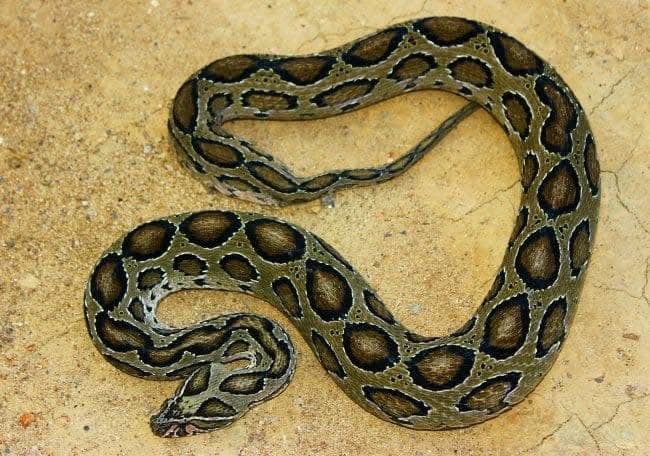
What it looks like:
- • Brown color with dark spots
- • Short and thick body (up to 1.6 meters)
- • Big head, thin neck
- • Very slow moving
Where you find them:
- • Rice fields and farms
- • Gardens and yards
- • Near water sources
- • Most active at night
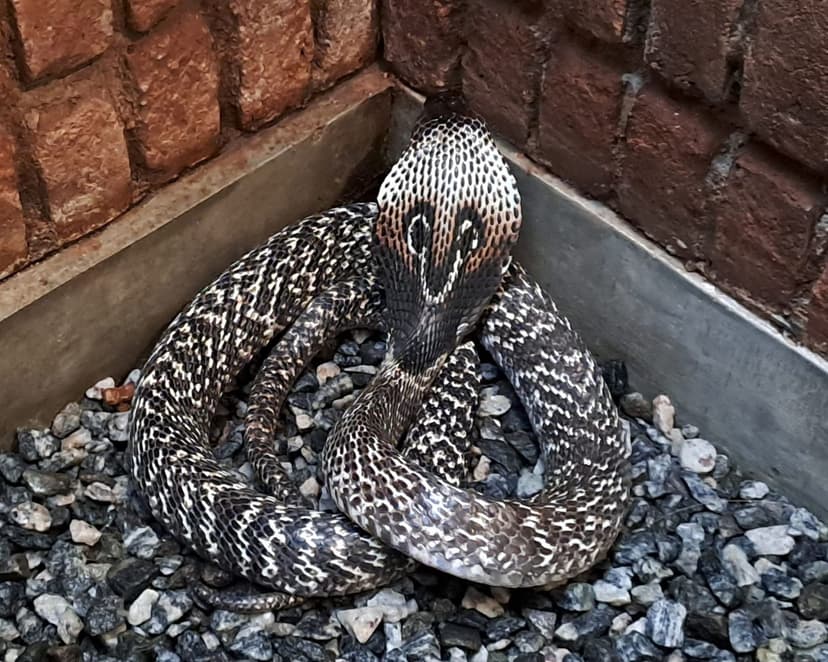
What it looks like:
- • Black, brown, or light colored
- • Can spread hood when angry
- • 1-2 meters long
- • Raises head high when threatened
Where you find them:
- • Old buildings and houses
- • Rock piles and walls
- • Forest areas
- • Active day and night
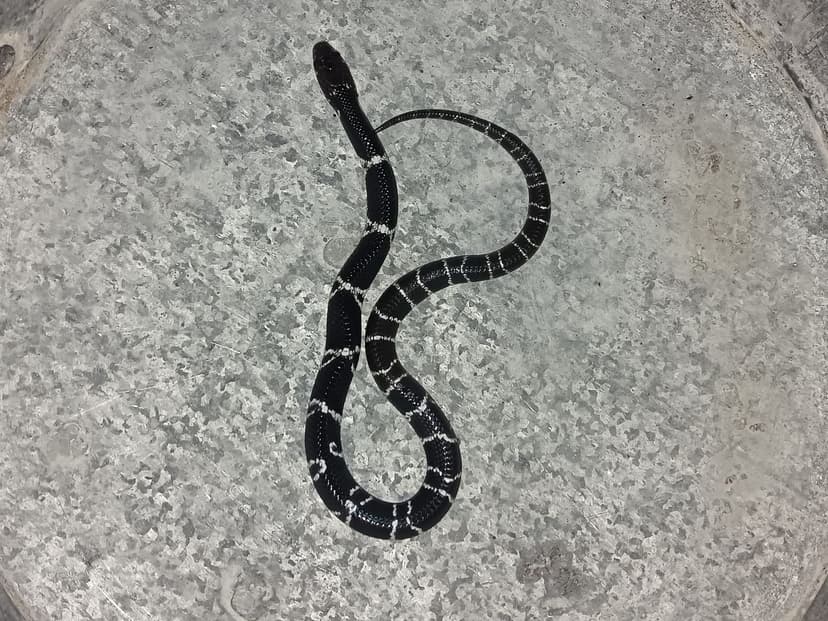
What it looks like:
- • Black with white bands
- • Shiny, smooth skin
- • 1-1.5 meters long
- • Triangular body shape
Where you find them:
- • Only active at night
- • Houses and buildings
- • Under beds and furniture
- • Quiet during day
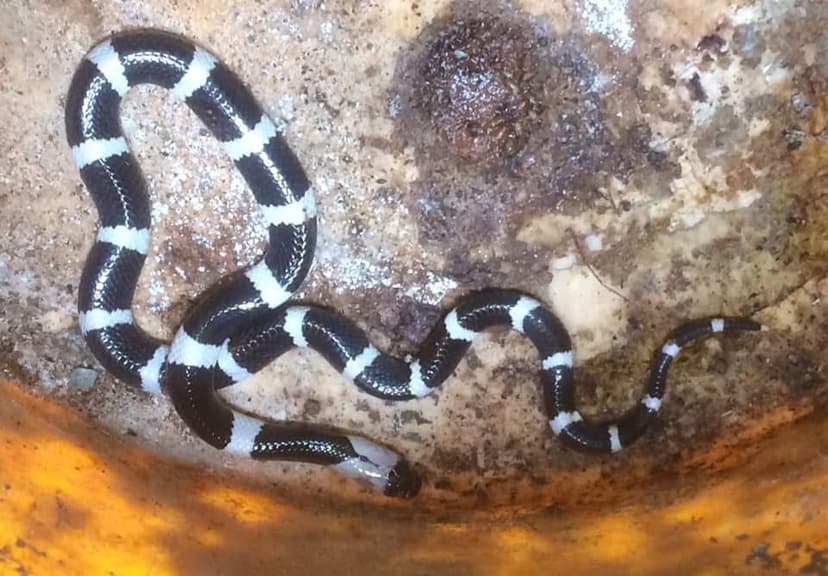
What it looks like:
- • Black with white or pale crossbands
- • Glossy smooth scales
- • 90-120 cm long
- • Triangular body shape
Where you find them:
- • Wet zone forests and plantations
- • Houses and buildings at night
- • Only active after dark
- • Hides under objects during day
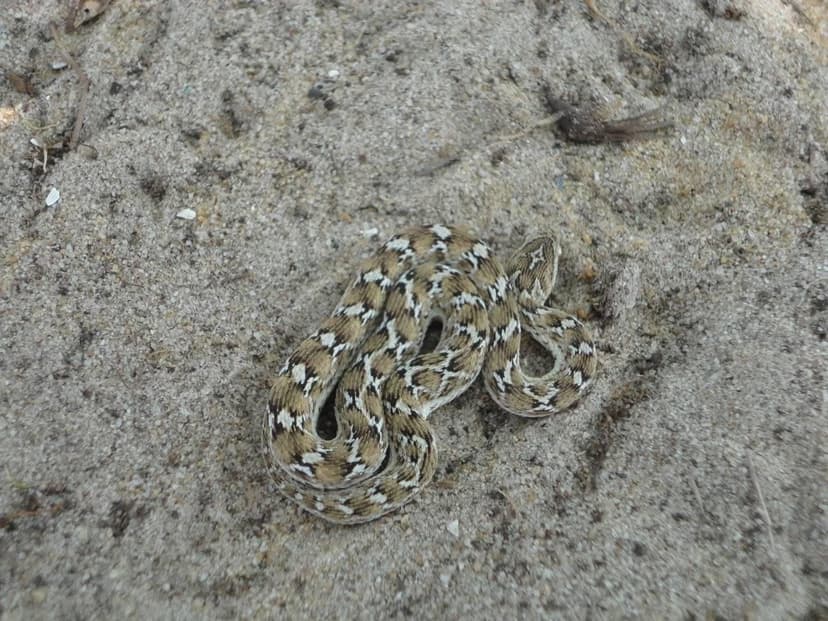
What it looks like:
- • Gray-brown with darker patterns
- • Very small (30-50 cm)
- • Rough, saw-like scales
- • Makes hissing sound when angry
Where you find them:
- • Dry areas and scrublands
- • Rocky places
- • Under stones and logs
- • Northern and eastern areas
Moderately Venomous Snakes - Still Dangerous
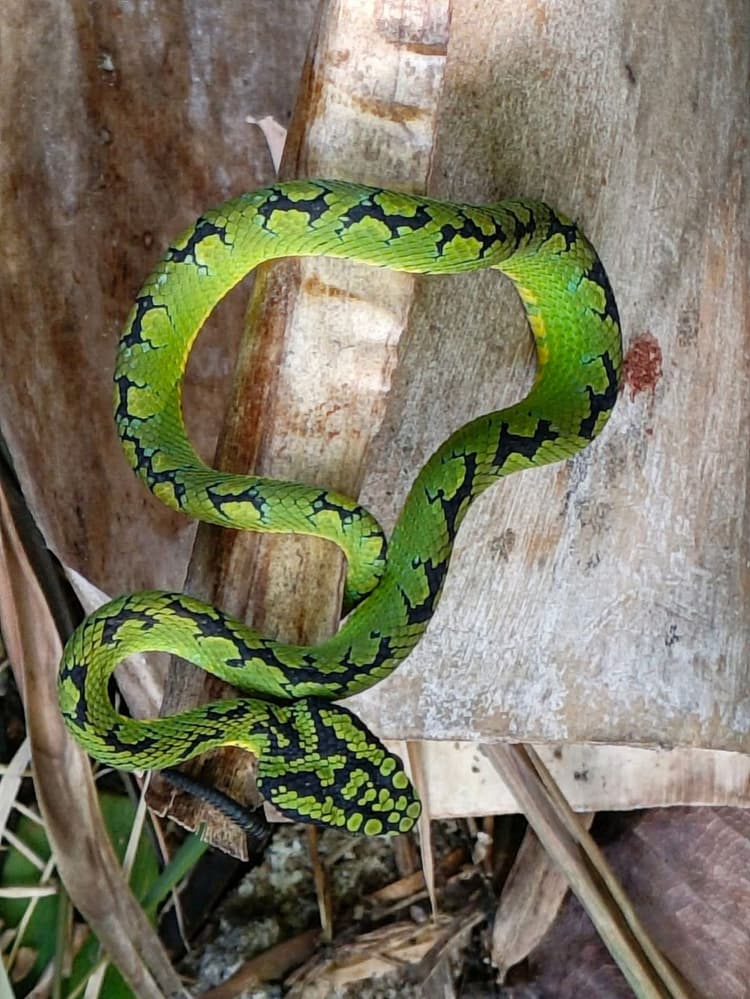
What it looks like:
- • Bright green color
- • 60-80 cm long
- • Lives in trees
- • Very good at hiding
Where you find them:
- • Fruit trees and bushes
- • Gardens and forests
- • Active at night
- • All over Sri Lanka
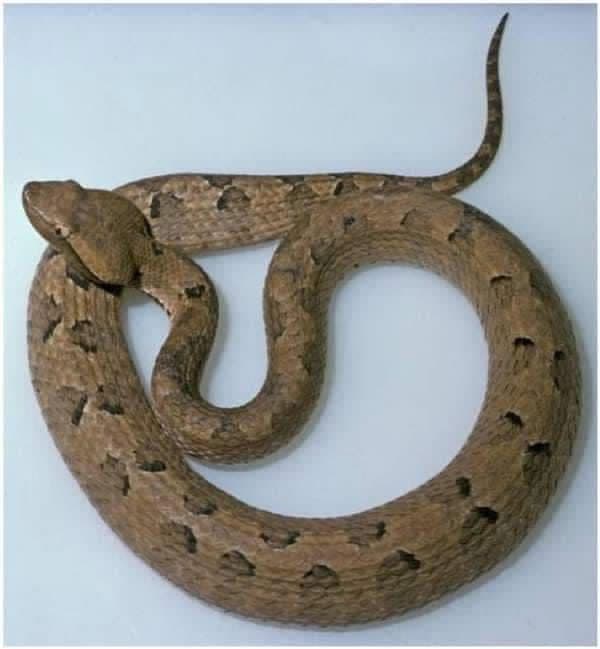
What it looks like:
- • Gray or brown with spots
- • Pointed nose tip
- • 30-50 cm long
- • Rough skin
Where you find them:
- • Hill country forests
- • Tea estates
- • Wet zone areas
- • Under leaves on ground
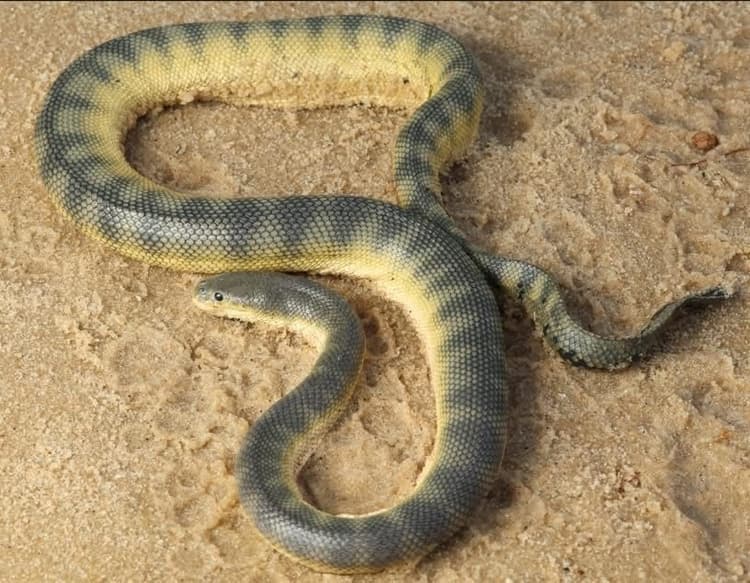
What they look like:
- • Usually banded patterns (black/white or blue/white)
- • Paddle-shaped flat tail for swimming
- • 0.8-2 meters long depending on species
- • Cannot survive on land
Where you find them:
- • Open ocean waters
- • Rarely wash up on beaches
- • Sometimes caught in fishing nets
- • Generally docile but venomous if handled
Safety Tips for Travelers
- Wear closed shoes: Never walk barefoot, especially at night
- Use flashlight: Always carry a torch when walking at night
- Make noise: Stomp your feet when walking in grass or bushes
- Check your bed: Look under beds and in bathrooms before use
- Don't touch: Never try to catch or kill a snake
- Stay on paths: Don't walk through tall grass or bushes
- Rice fields: Russell's vipers love these areas
- Old buildings: Cobras often hide in ruins
- Fruit trees: Green vipers live in mango and other trees
- Water areas: Near rivers, ponds, and wells
- Rock piles: Snakes hide under stones
- Thick grass: Hard to see snakes hiding
What to Do If Someone Gets Bitten
IMMEDIATE ACTION - Do This First!
2. Get to nearest hospital immediately
3. Keep the person calm and still
- Keep calm: Panic makes venom spread faster
- Remove jewelry: Hands and feet may swell
- Clean wound: Wash gently with water
- Take photo: Picture of snake helps doctors
- Mark swelling: Draw line around swelling with pen
- Note time: Remember when bite happened
- Don't cut: Never cut the bite wound
- Don't suck: Don't try to suck out venom
- Don't ice: No ice or cold water on bite
- Don't tie tight: No tight bandages above bite
- Don't drink: No alcohol or coffee
- Don't run: Don't make person walk or run
Hospitals with Snake Bite Treatment
Colombo
- • National Hospital - 011 269 1111
- • Lady Ridgeway Hospital - 011 269 3711
- • Durdans Hospital - 011 257 4444
Kandy
- • Teaching Hospital Kandy - 081 223 3337
- • Sirimavo Bandaranaike Hospital - 081 247 6261
Galle
- • Teaching Hospital Galle - 091 223 2261
Negombo
- • District General Hospital - 031 223 5261
Anuradhapura
- • Teaching Hospital - 025 223 5261
Trincomalee
- • District General Hospital - 026 222 2261
Very Important: Make sure your travel insurance covers snake bites and emergency medical treatment.
What to Check:
- • Emergency hospital treatment
- • Anti-venom medication costs
- • Emergency helicopter transport
- • Medical evacuation coverage
Cost Information:
- • Government hospital: Usually free
- • Private hospital: $500-2000 USD
- • Anti-venom: $100-500 USD per vial
- • May need multiple vials
Remember, snake bites are rare for tourists who follow safety rules. Millions of people visit Sri Lanka safely every year. By being careful and knowing what to do, you can have a wonderful and safe trip.
Most snakes are actually helpful - they eat rats and other pests. Snakes are more afraid of you than you are of them. With simple precautions, you can explore Sri Lanka's beautiful nature safely.
Save emergency numbers in your phone: 119 • 110 • 1990
Share this guide with your travel companions!