
Complete Wildlife GuideSri Lanka
Explore 14 protected areas from famous leopard territories to pristine coral reefs. Your complete guide to Sri Lanka's incredible biodiversity.
Choose Your Safari Destination
Best Times to Visit
All Parks
Dry season, excellent wildlife viewing
Advantages:
- Clear weather
- Animals gather at water sources
- Best photography conditions
Recommended Parks:
Eastern & Northern Parks
Migration season, excellent for birds
Advantages:
- Bird migration peak
- Elephant gathering starts
- Less crowded
Recommended Parks:
Central & Northern Parks
Gathering season, spectacular elephant herds
Advantages:
- The Great Gathering
- Large herds
- Unique experiences
Recommended Parks:
National Parks & Wildlife Reserves
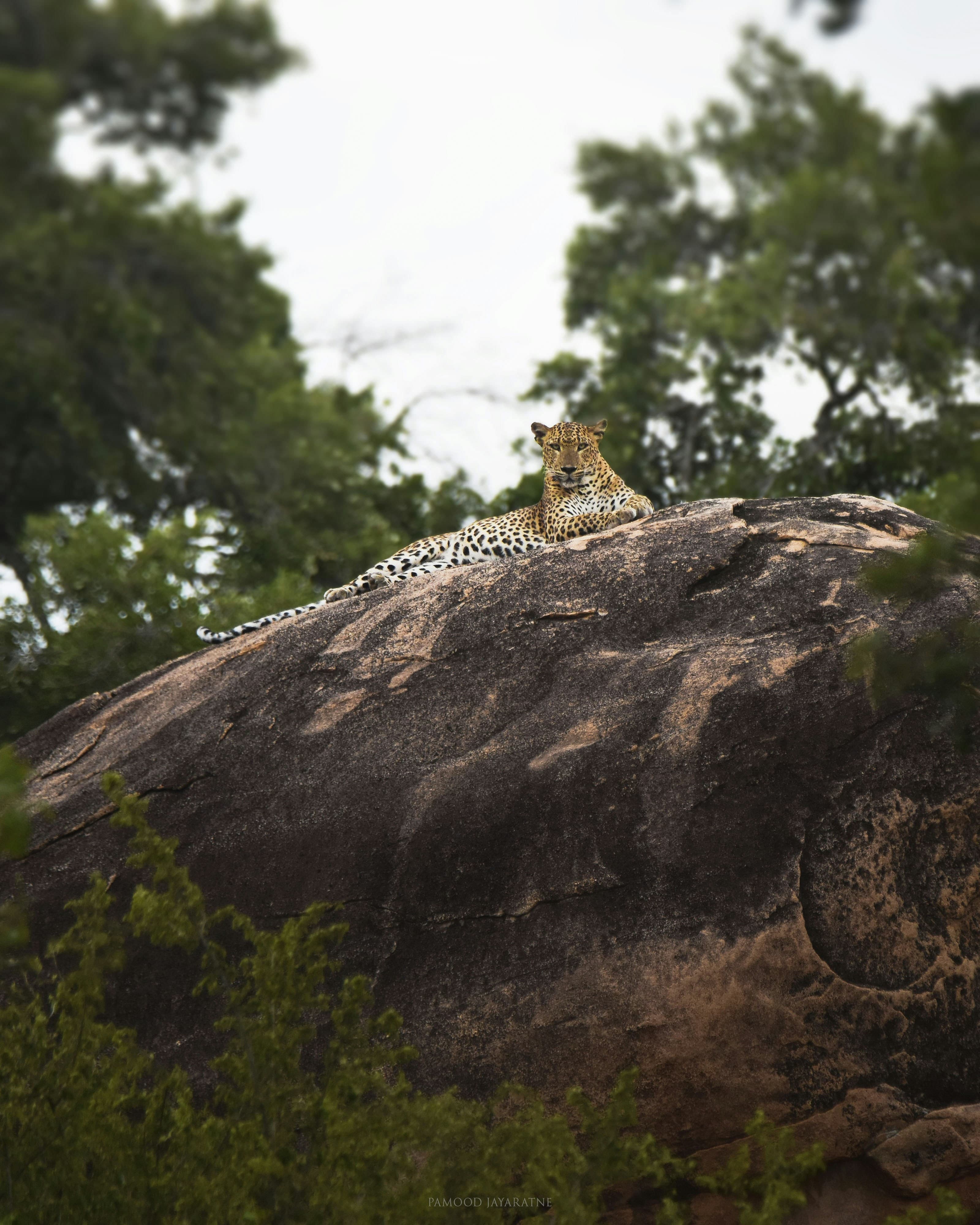
Leopard Territory - Yala
Yala National Park
Sri Lanka's most famous national park, renowned for having the highest leopard density in the world. Home to diverse wildlife including elephants, sloth bears, and over 215 bird species.
Highlights:
Safari Zones:
Block 1
Most popular section with highest leopard sightings
Block 2
Less crowded with excellent birdwatching opportunities
Block 5
Remote area with pristine wilderness and beach access
Safari Guidelines:
- Stay inside the vehicle at all times
- Follow park guide instructions strictly
- Maintain safe distance from wildlife
- Book with licensed safari operators only
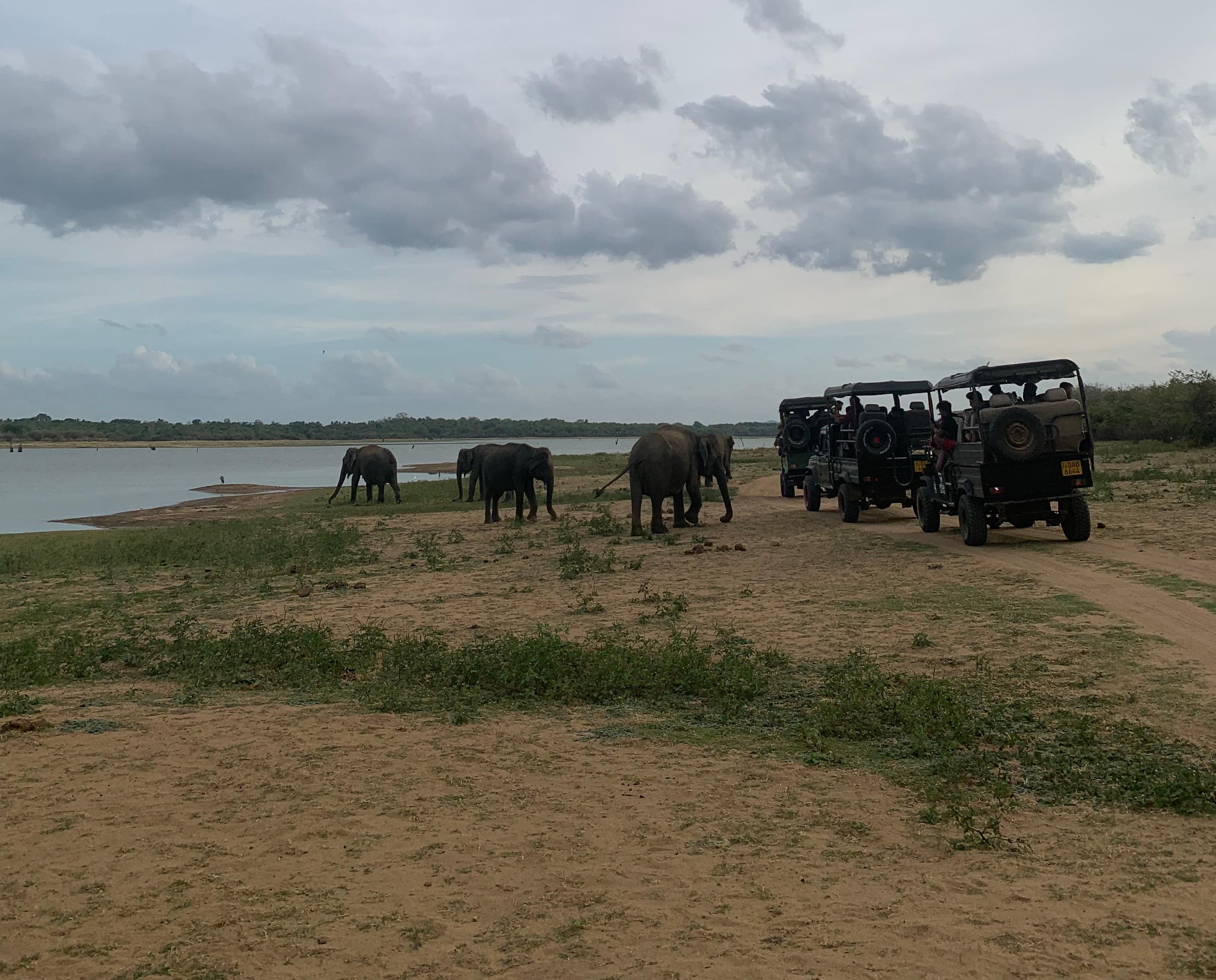
Elephant Paradise - Udawalawe
Udawalawe National Park
Famous for its large population of resident elephants, Udawalawe offers some of the best elephant viewing in Asia. The park's open grasslands provide excellent wildlife photography opportunities.
Highlights:
Safari Zones:
Main Park
Core area with consistent elephant sightings near the reservoir
Buffer Zone
Extended area with diverse habitats and bird species
Safari Guidelines:
- Never get out of the vehicle
- Keep noise levels low
- Don't feed any animals
- Respect park closing times
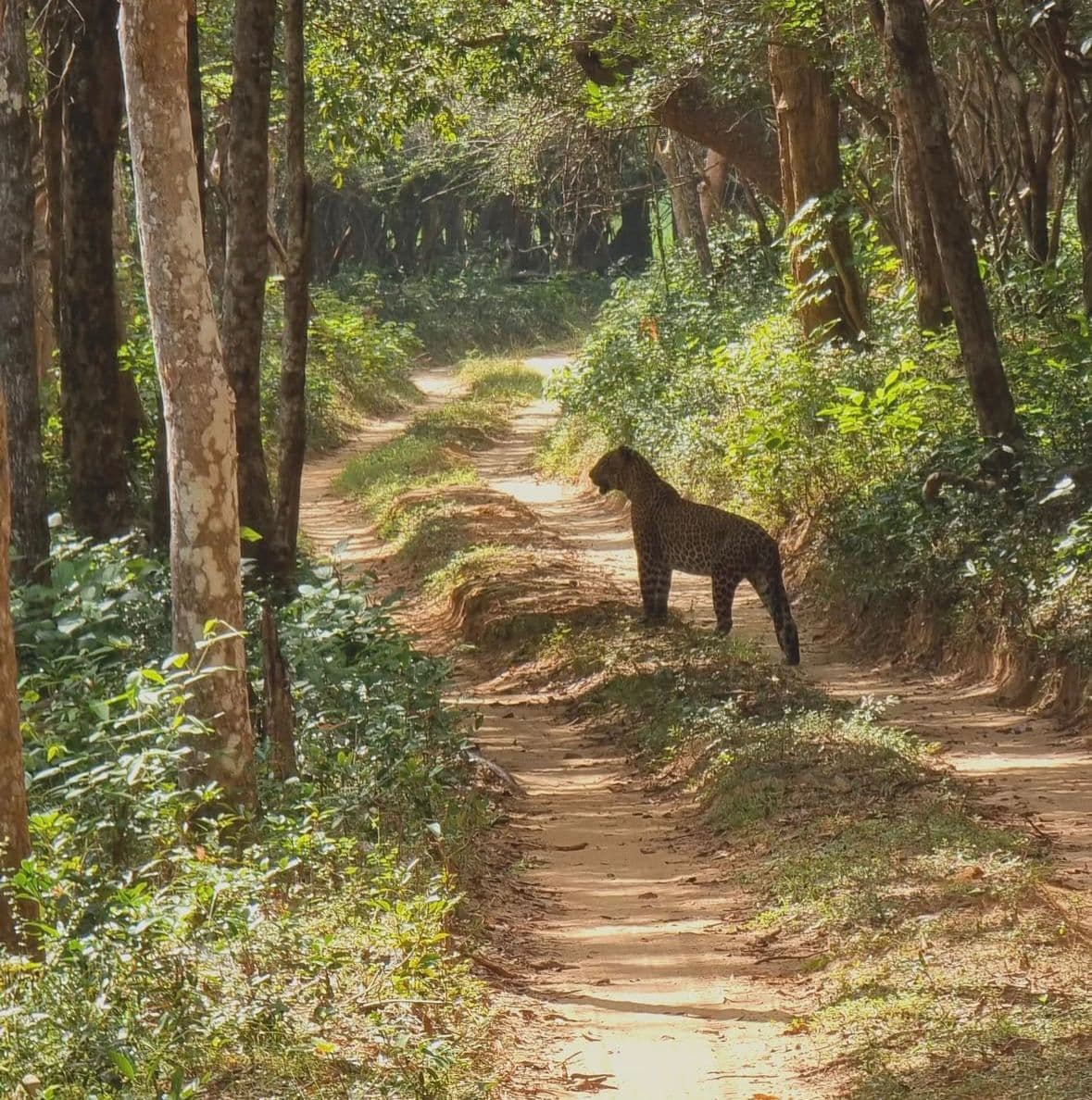
Sri Lankan leopard - Wilpattu
Wilpattu National Park
Sri Lanka's largest national park, known for its unique 'villus' (natural lakes) and being one of the best places to spot leopards. Less crowded than Yala, offering a more pristine wilderness experience.
Highlights:
Safari Zones:
Kalli Villu
Popular area for leopard sightings and water birds
Kokmotte Villu
Large natural lake attracting diverse wildlife
Maradanmaduwa
Dense forest area excellent for sloth bear sightings
Safari Guidelines:
- Carry sufficient water and snacks
- Inform someone about your safari schedule
- Stay with your assigned guide
- Park can be challenging to navigate
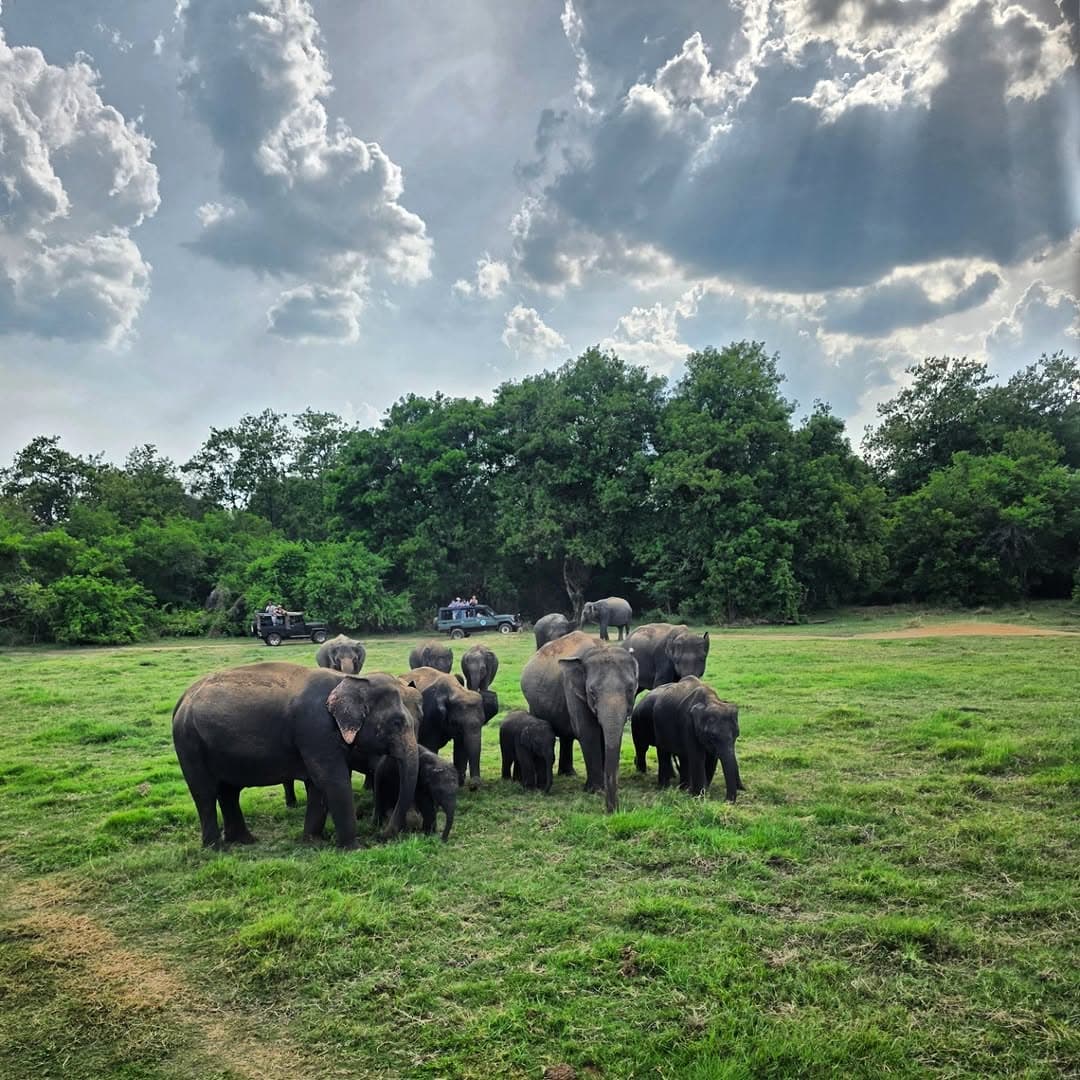
The Great Elephant Gathering
Minneriya National Park
Famous for 'The Gathering' - the largest known meeting of Asian elephants in the world. During dry season, over 300 elephants congregate around the ancient Minneriya Tank.
Highlights:
Safari Zones:
Minneriya Tank
Central area where the famous elephant gathering occurs
Giritale
Northern section with diverse bird species and smaller herds
Kaudulla Connection
Corridor connecting to Kaudulla NP with year-round elephants
Safari Guidelines:
- Visit during recommended seasons for best experience
- Maintain respectful distance from elephant herds
- Follow designated safari routes only
- Book early during gathering season
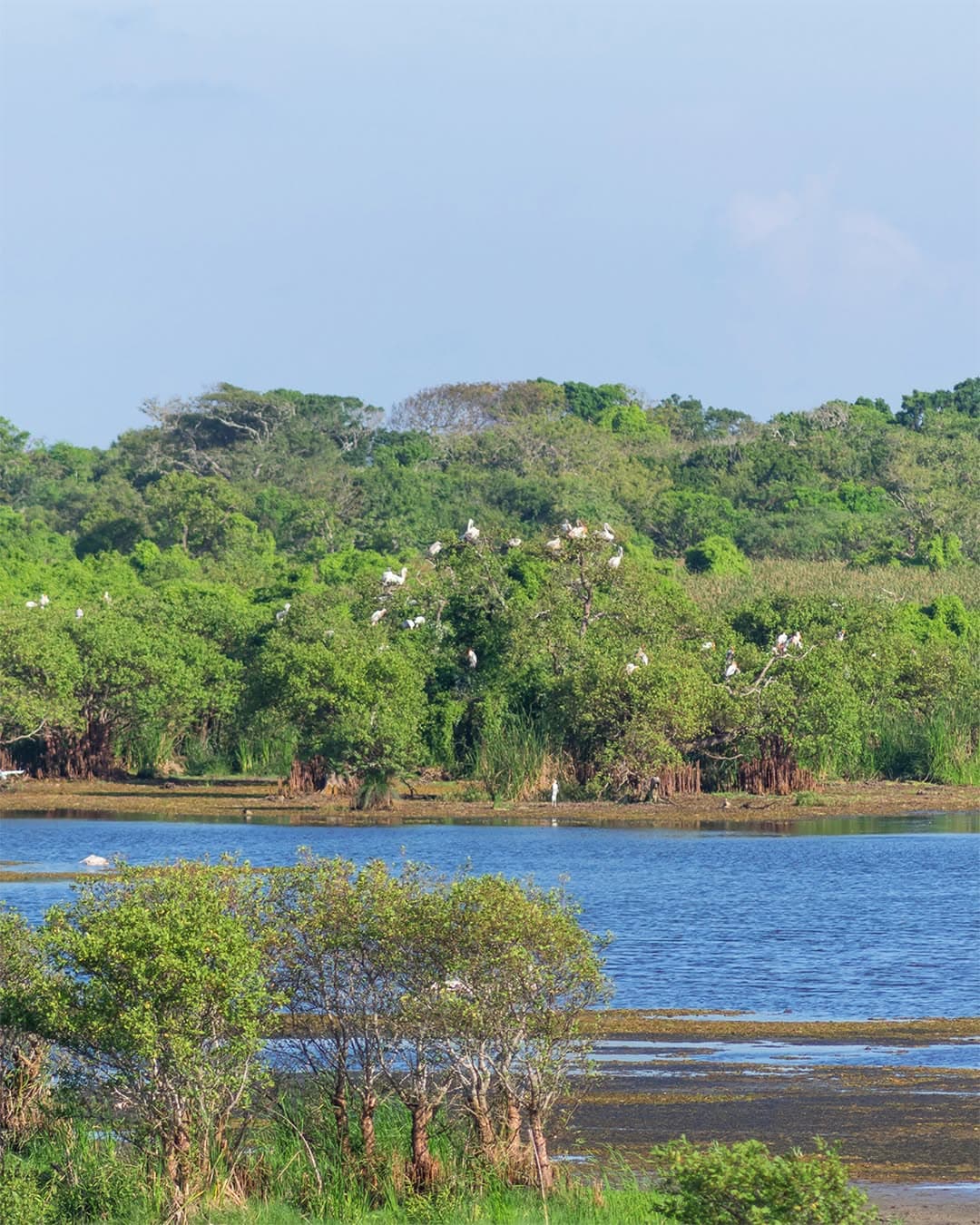
Bird Paradise - Kumana
Kumana National Park
Renowned as Sri Lanka's premier bird watching destination, especially during migration season. The park hosts over 255 bird species and is part of the greater Yala ecosystem.
Highlights:
Safari Zones:
Kumana Villu
Main lagoon area with highest bird diversity
Kumbukkan Oya
River system with crocodiles and diverse wildlife
Okanda
Coastal section with seabirds and beach access
Safari Guidelines:
- Bring binoculars for optimal bird watching
- Early morning visits recommended
- Protect equipment from salt air near coast
- Stay hydrated in hot coastal climate
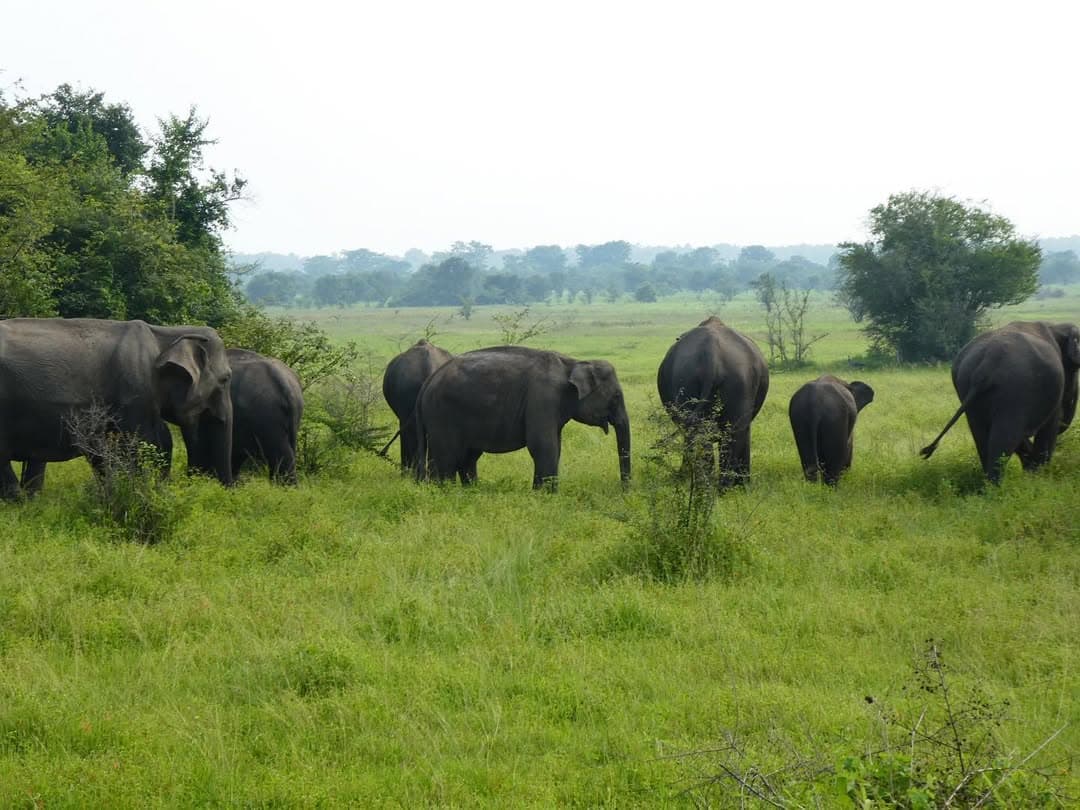
Wild Elephants - Wasgamuwa
Wasgamuwa National Park
One of Sri Lanka's most pristine and least visited parks. Home to a significant elephant population and the headwaters of the Mahaweli River, offering untouched wilderness experience.
Highlights:
Safari Zones:
Sudu Kanda
Rocky outcrop area with panoramic views and leopard potential
Wasgamuwa Tank
Ancient tank attracting elephants and water birds
Mahaweli Buffer
River system with diverse ecosystems and wildlife corridors
Safari Guidelines:
- Park has rough terrain - suitable 4WD required
- Carry emergency supplies
- Inform park authorities of your route
- Best visited with experienced guides
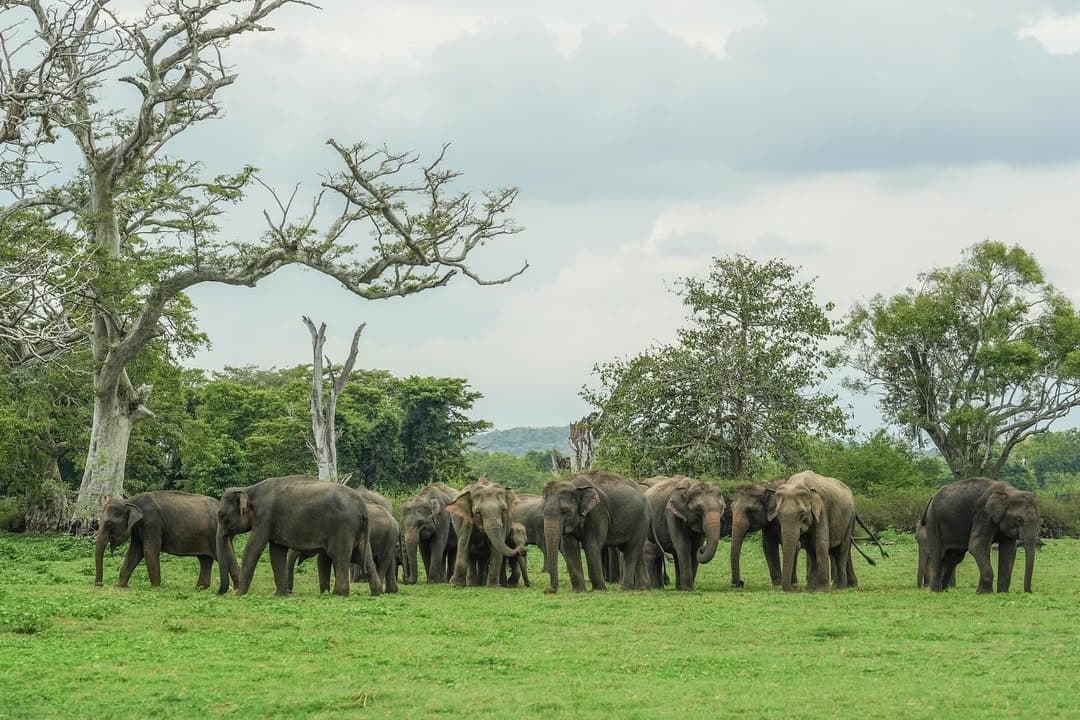
Elephant Herds - Kaudulla
Kaudulla National Park
Part of the elephant corridor connecting Minneriya and Kaudulla, famous for large elephant gatherings during the dry season. Less crowded alternative to Minneriya with equally spectacular wildlife viewing.
Highlights:
Safari Zones:
Kaudulla Tank
Main water source attracting large elephant herds
Habarana
Entry point with visitor facilities
Minneriya Connection
Corridor area with migrating elephants
Safari Guidelines:
- Peak season overlaps with Minneriya gathering
- Early morning visits recommended
- Carry water during hot season
- Respect elephant right of way

World's End Cliff
Horton Plains National Park
Sri Lanka's highest plateau featuring unique montane ecosystems, endemic species, and the famous World's End cliff with a 870m drop. Home to sambar deer and endemic birds.
Highlights:
Safari Zones:
World's End
Spectacular cliff viewpoint with 870m drop
Baker's Falls
20m waterfall in cloud forest setting
Ohiya
Montane grasslands with endemic flora
Safari Guidelines:
- Start early to avoid afternoon mist
- Wear warm clothing - can be very cold
- Stay on marked trails only
- Bring sufficient water and snacks

Migratory Birds - Bundala
Bundala National Park
Sri Lanka's first Ramsar wetland site, renowned for migratory birds especially flamingos. Home to over 200 bird species and important nesting site for sea turtles.
Highlights:
Safari Zones:
Bundala Lagoon
Main lagoon with highest bird diversity
Malala Lagoon
Quieter lagoon excellent for photography
Embilikala
Coastal area with sea turtle nesting
Safari Guidelines:
- Bring binoculars for bird watching
- Apply sunscreen - limited shade
- Respect bird nesting areas
- Best visited during migration season

Swimming Elephants
Gal Oya National Park
Unique for its boat safaris and famous swimming elephants. Sri Lanka's largest reservoir creates islands where elephants swim between them - a truly unique wildlife experience.
Highlights:
Safari Zones:
Senanayake Samudraya
Main reservoir area for boat safaris
Inginiyagala
Dam area with diverse bird species
Boat Safari Zone
Islands where elephants swim between landmasses
Safari Guidelines:
- Boat safaris require advance booking
- Life jackets mandatory on boats
- Swimming elephants best seen early morning
- Bring waterproof camera protection
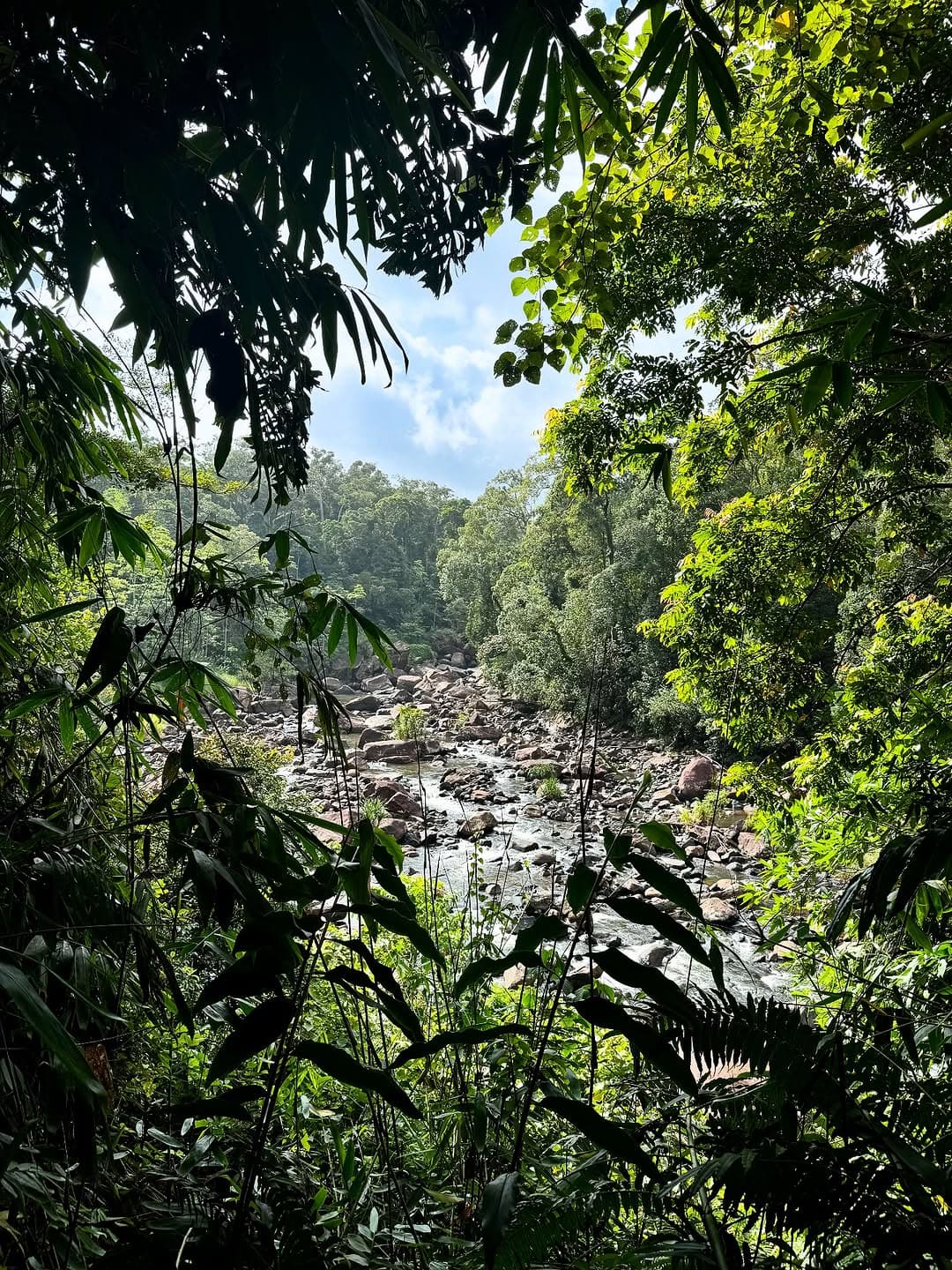
Rainforest Canopy
Sinharaja Forest Reserve
UNESCO World Heritage rainforest, last viable area of primary tropical rainforest in Sri Lanka. Home to over 60% of endemic trees and many endemic bird and butterfly species.
Highlights:
Safari Zones:
Kudawa
Main entrance with research station
Deniyaya
Southern entrance with waterfall trails
Pitadeniya
Northern section with bird watching towers
Safari Guidelines:
- Mandatory guide required for all visitors
- Wear leech socks and long pants
- Bring rain gear - frequent showers
- Stay on designated trails only

Elephant Herds
Lunugamvehera National Park
Buffer zone to Yala, offering excellent elephant viewing with fewer crowds. Important elephant corridor and water source during dry seasons.
Highlights:
Safari Zones:
Lunugamvehera Tank
Main water source attracting wildlife
Yala Buffer
Transition zone with diverse habitats
Kirinde
Coastal section with marine access
Safari Guidelines:
- Often combined with Yala visits
- Good alternative when Yala is crowded
- Excellent for bird photography
- Early morning visits recommended

Coral Reef System
Hikkaduwa National Park
Sri Lanka's first marine national park, protecting coral reefs and marine life. Famous for sea turtle encounters and colorful coral formations ideal for snorkeling.
Highlights:
Safari Zones:
Coral Reef
Main reef system with diverse marine life
Turtle Beach
Shallow area popular for turtle sightings
Marine Sanctuary
Protected zone with pristine coral formations
Safari Guidelines:
- Swimming ability required
- Use reef-safe sunscreen only
- Don't touch or stand on corals
- Guided tours recommended for safety
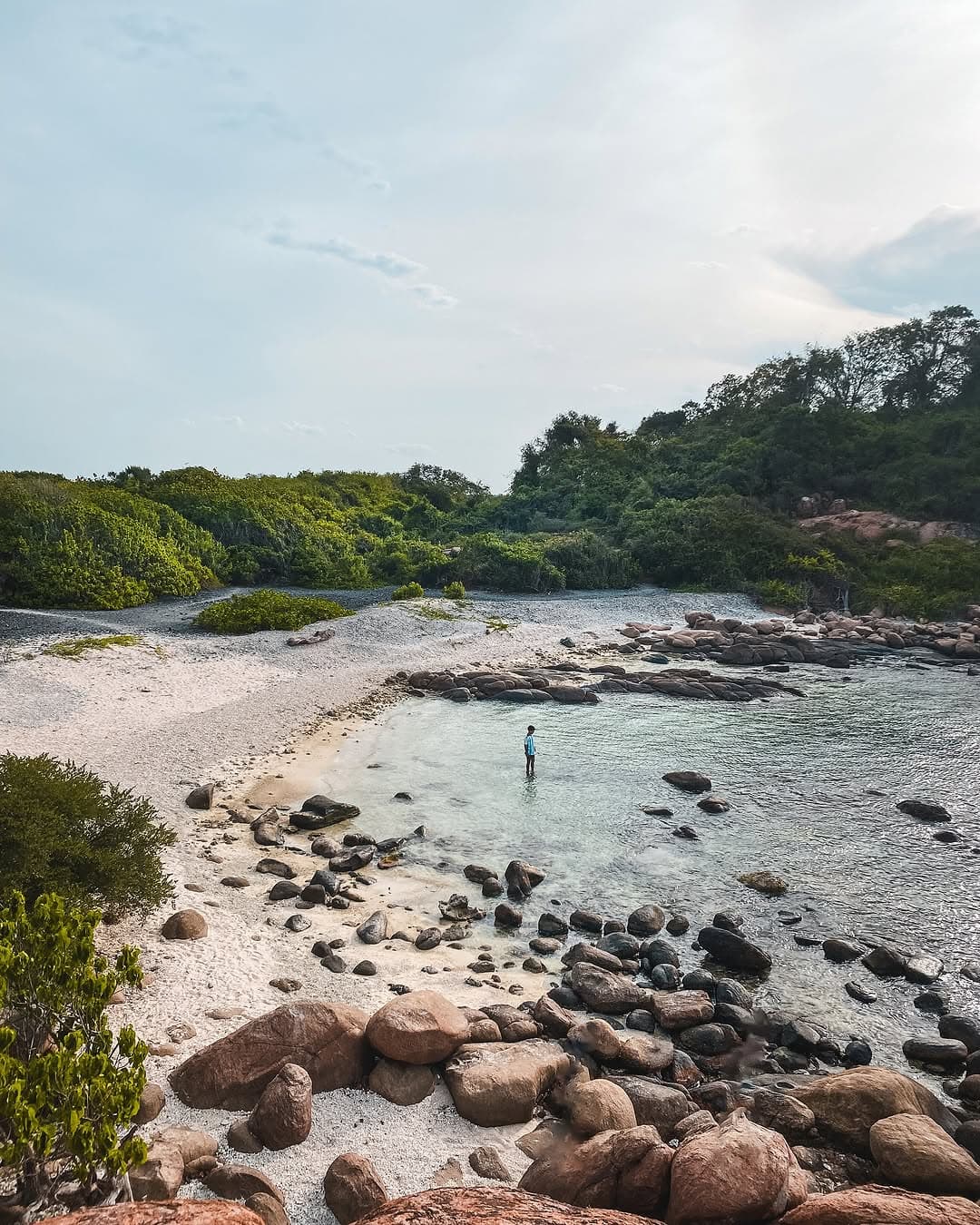
Pristine Coral Reefs
Pigeon Island National Park
Two small islands off Nilaveli with some of Sri Lanka's best coral reefs. Marine sanctuary protecting diverse coral species and reef sharks in crystal-clear waters.
Highlights:
Safari Zones:
Large Pigeon Island
Main island with visitor facilities and best reefs
Small Pigeon Island
Smaller island with pristine coral gardens
Coral Gardens
Underwater reef system between islands
Safari Guidelines:
- Boat transfer required from Nilaveli
- Snorkeling gear available for rent
- No feeding of marine life
- Respect marine sanctuary rules
Essential Safari Guidelines
Always book with registered safari companies that have proper permits and experienced naturalist guides. Check reviews and certifications before booking.
Maintain safe distances, never feed animals, and follow Leave No Trace principles during your safari. Wildlife photography should never disturb natural behavior.
Adhere to park timings, designated routes, and vehicle restrictions. Some areas may be temporarily closed for conservation or safety reasons.
Bring sun protection, water, binoculars, and appropriate clothing. Weather can change quickly, especially in mountainous areas like Horton Plains.
Inform someone of your safari plans and carry emergency contacts. Cell coverage may be limited in remote parks like Wilpattu and Wasgamuwa.
During peak seasons (December-March), book safari tours and nearby accommodations well in advance. Popular parks like Yala can get fully booked.
What to Bring
- • Binoculars for wildlife viewing
- • Camera with telephoto lens
- • Sun hat and sunscreen
- • Comfortable safari clothing
- • Water bottle and light snacks
- • Insect repellent
Wildlife Photography Tips
- • Early morning offers best lighting
- • Use telephoto lens for safety
- • Be patient and quiet
- • Respect animals' natural behavior
- • Bring extra batteries and memory cards
- • Learn animal behavior patterns
Expert Safari Tips
- Golden hour (6:00-8:00 AM) offers best lighting and active wildlife
- Bring telephoto lens (300mm+) for safe wildlife photography
- Overcast days are excellent for forest parks like Sinharaja
- Avoid flash photography as it disturbs wildlife
- Yala Block 1: Enter early to avoid crowds, best leopard sightings at Patanangala
- Minneriya: Visit during August-September for the Great Gathering spectacle
- Horton Plains: Start at 6 AM to see World's End before mist rolls in
- Gal Oya: Book boat safaris in advance, swimming elephants best seen morning
- Neutral colored clothing (khaki, olive) - avoid bright colors
- Wide-brimmed hat and high SPF sunscreen
- Insect repellent with DEET for forest areas
- Extra batteries and memory cards for cameras
- Leech socks for rainforest treks in Sinharaja
- Shared jeep safaris cost less than private vehicles
- Many parks offer half-day options to save money
- Combine multiple parks in the same region for better value
- Local guesthouses near parks offer authentic experiences
- Bring your own snacks and water to avoid park premium prices
Seasonal Planning Guide
Advantages:
- +Best weather
- +Highest wildlife activity
- +Clear skies for photography
Considerations:
- -Higher prices
- -Crowded parks
- -Need advance booking
Pro Tips:
- 💡Book 2-3 months ahead
- 💡Start safaris very early
- 💡Consider lesser-known parks
Advantages:
- +Lower prices
- +Fewer crowds
- +Good weather windows
Considerations:
- -Some rain possible
- -Variable wildlife activity
Pro Tips:
- 💡Flexible scheduling helpful
- 💡Great for bird migration
- 💡Mixed park visits work well
Advantages:
- +Lowest prices
- +Empty parks
- +Lush green landscapes
Considerations:
- -Heavy rain possible
- -Some roads may be difficult
Pro Tips:
- 💡Focus on covered areas
- 💡Bring rain gear
- 💡Perfect for Sinharaja forest
Ready for Your Wildlife Adventure?
Explore Sri Lanka's incredible national parks and encounter amazing wildlife in their natural habitat