
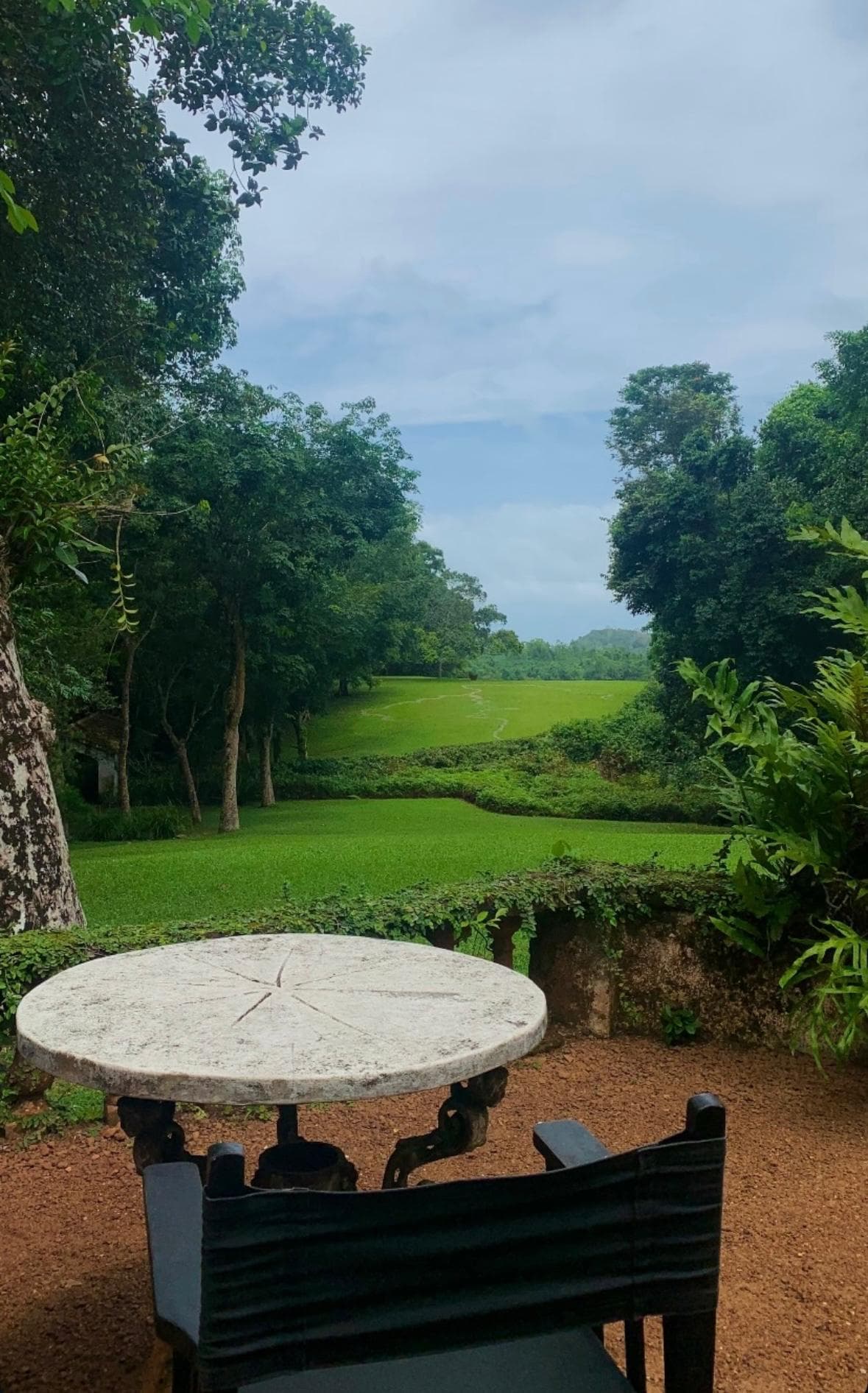
Lunuganga Garden
Geoffrey Bawa's Architectural Paradise in Paradise
Welcome to Lunuganga: Where Architecture Meets Nature
Lunuganga is a beautiful 25-acre garden estate created by Geoffrey Bawa, Sri Lanka's most famous architect. What started as a rubber plantation in 1948 became one of Asia's most stunning gardens, located on the peaceful shores of Dedduwa Lake near Bentota. Bawa spent over 50 years designing this special place where nature and buildings blend perfectly together.
The garden features terraced lawns that appear to float above the lake, hidden courtyards with tropical flowers, and peaceful pavilions with lake views. Every path and space was carefully designed to create a calm and inspiring experience. Plan to spend 2-3 hours exploring the different garden areas and enjoying the peaceful atmosphere.
Visitor Guidelines
Respect the living space: Lunuganga remains a private residence and working garden. Please maintain quiet voices and follow designated pathways to preserve the tranquil atmosphere.
Photography etiquette: While photography is encouraged, please be mindful of other visitors and avoid using flash indoors. Some areas may have photography restrictions.
Advance booking required: Lunuganga requires advance reservations for all visits. Contact the estate directly or book through authorized tour operators.
By Private Car/Taxi (Recommended)
- • Distance: 65km (40 miles)
- • Duration: 1.5-2 hours
- • Cost: $25-40 USD
- • Route: Colombo → Kalutara → Bentota
By Train + Taxi
- • Train: Colombo to Bentota Station
- • Duration: 2 hours + 15 min taxi
- • Cost: $2-5 USD train + $5 taxi
- • Experience: Scenic coastal journey
💡 Pro Tip: Visit during afternoon hours (2-5 PM) for the best lighting and cooler temperatures. Morning visits offer peaceful atmosphere but harsh light for photography.
The Visionary Story Behind Lunuganga
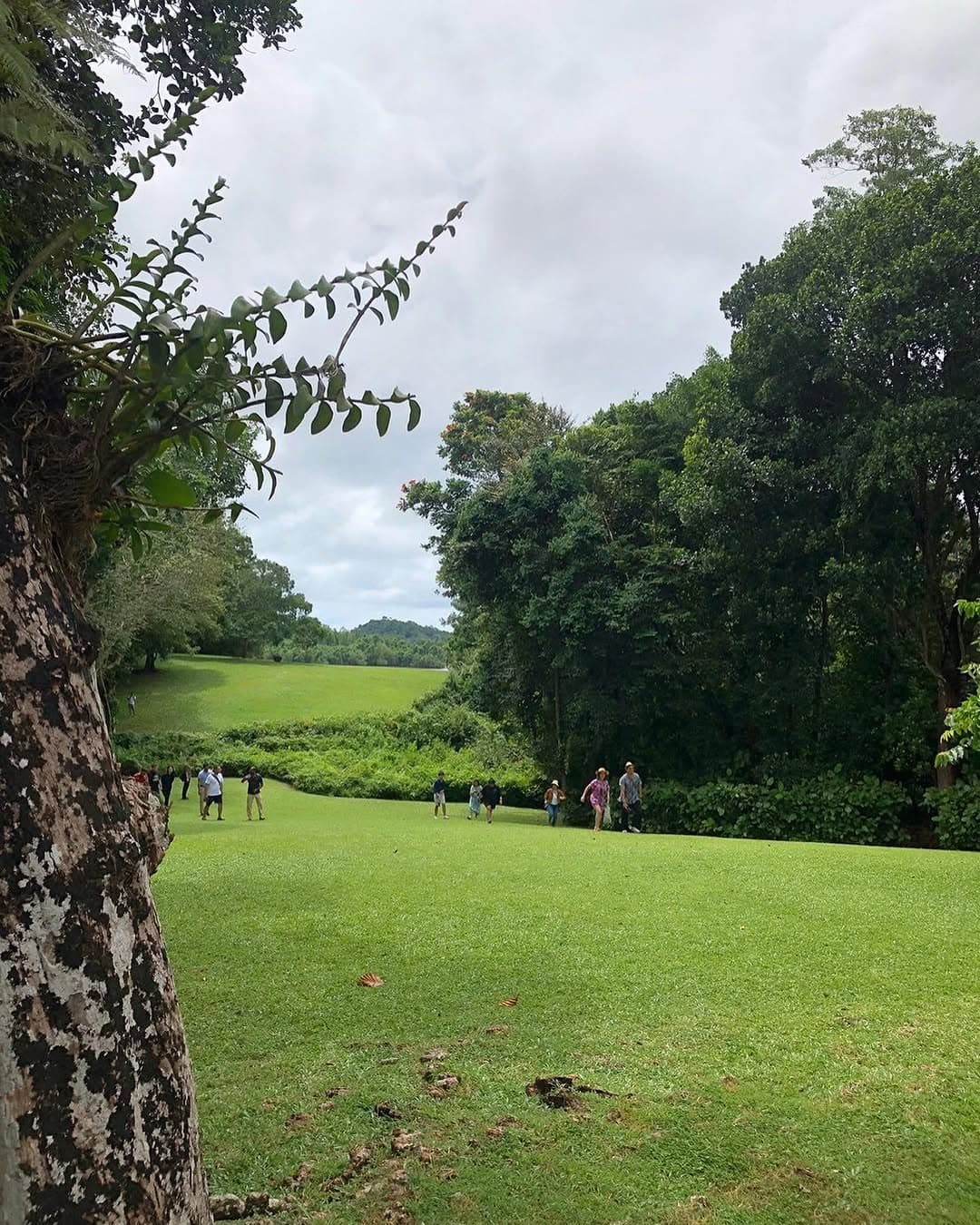
Geoffrey Bawa in his beloved Lunuganga garden, where he spent over 50 years perfecting his vision of tropical modernist design.
The story of Lunuganga begins in 1948 when a young Geoffrey Bawa, fresh from studying law at Cambridge, purchased a modest 10-acre rubber estate on the banks of Dedduwa Lake. What started as a weekend retreat would become a lifetime obsession and the birthplace of a revolutionary architectural movement that would influence design across the tropical world.
Bawa had no formal training in architecture when he began transforming the estate, but he possessed something more valuable - an intuitive understanding of how spaces should feel and how buildings should respond to their environment. Working with skilled local craftsmen and gardeners, he began creating a series of interconnected spaces that seemed to grow naturally from the landscape itself.
Over the next five decades, Bawa continuously refined and expanded Lunuganga, treating it as both his home and his experimental laboratory. Every element - from the placement of a single tree to the orientation of a pavilion - was carefully considered to create what he called 'a series of experiences' that would unfold as visitors moved through the space.
The genius of Lunuganga lies not in any single dramatic gesture, but in the accumulation of countless subtle decisions that create an overall sense of harmony and discovery. Bawa believed that good design should feel effortless and natural, even when it required enormous thought and skill to achieve such apparent simplicity.
Booking and Access
- • Advance booking required - contact estate directly
- • Entry fee: $15-25 USD per person (varies by season)
- • Group size: Maximum 15 people per tour
- • Duration: 2-3 hours recommended
- • Guide service: Included with entry fee
What to Bring
- • Comfortable walking shoes with good grip
- • Sun protection: Hat, sunglasses, sunscreen
- • Camera: With extra batteries for extensive photography
- • Water bottle: Stay hydrated in tropical climate
- • Light clothing: Breathable fabrics in neutral colors
Bawa's Design Philosophy at Lunuganga
Architectural Principles
- • Buildings should respond to climate and landscape
- • Indoor and outdoor spaces should flow seamlessly
- • Traditional materials used in contemporary ways
- • Each space should frame a particular view
- • Architecture should enhance rather than dominate nature
Garden Design Elements
- • Native plants mixed with carefully chosen exotics
- • Water features integrated into the natural topography
- • Pathways designed to create discovery and surprise
- • Borrowed landscapes extending visual boundaries
- • Seasonal changes celebrated through plant selection
Discovering the Magical Spaces of Lunuganga
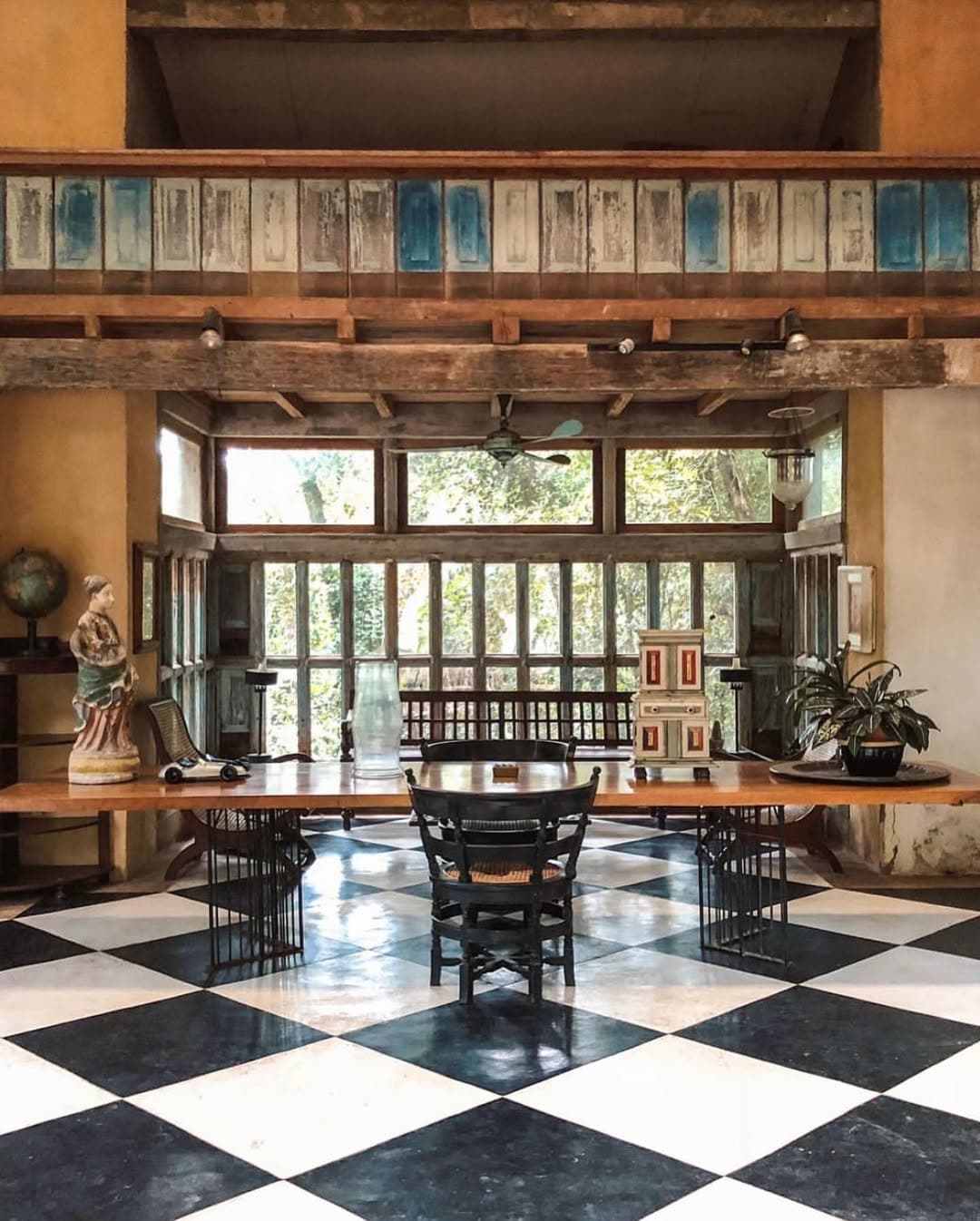

The heart of Lunuganga is Bawa's residence, a low-rise structure that seems to float above the landscape. The house demonstrates all of Bawa's key principles: wide verandas that blur the boundary between inside and outside, carefully framed views of the lake and garden, and rooms that open completely to catch every breeze.
Architectural Features:
- • Main veranda with panoramic lake views
- • Interior courtyards filled with tropical plants
- • Dining pavilion extending over the water
- • Library with built-in reading nooks
- • Guest rooms integrated into garden terraces
Design Elements:
- • Local timber and stone construction
- • Clay tile roofs for cooling and character
- • Floor-to-ceiling openings for ventilation
- • Antique Sri Lankan and Asian furnishings
- • Contemporary art integrated throughout
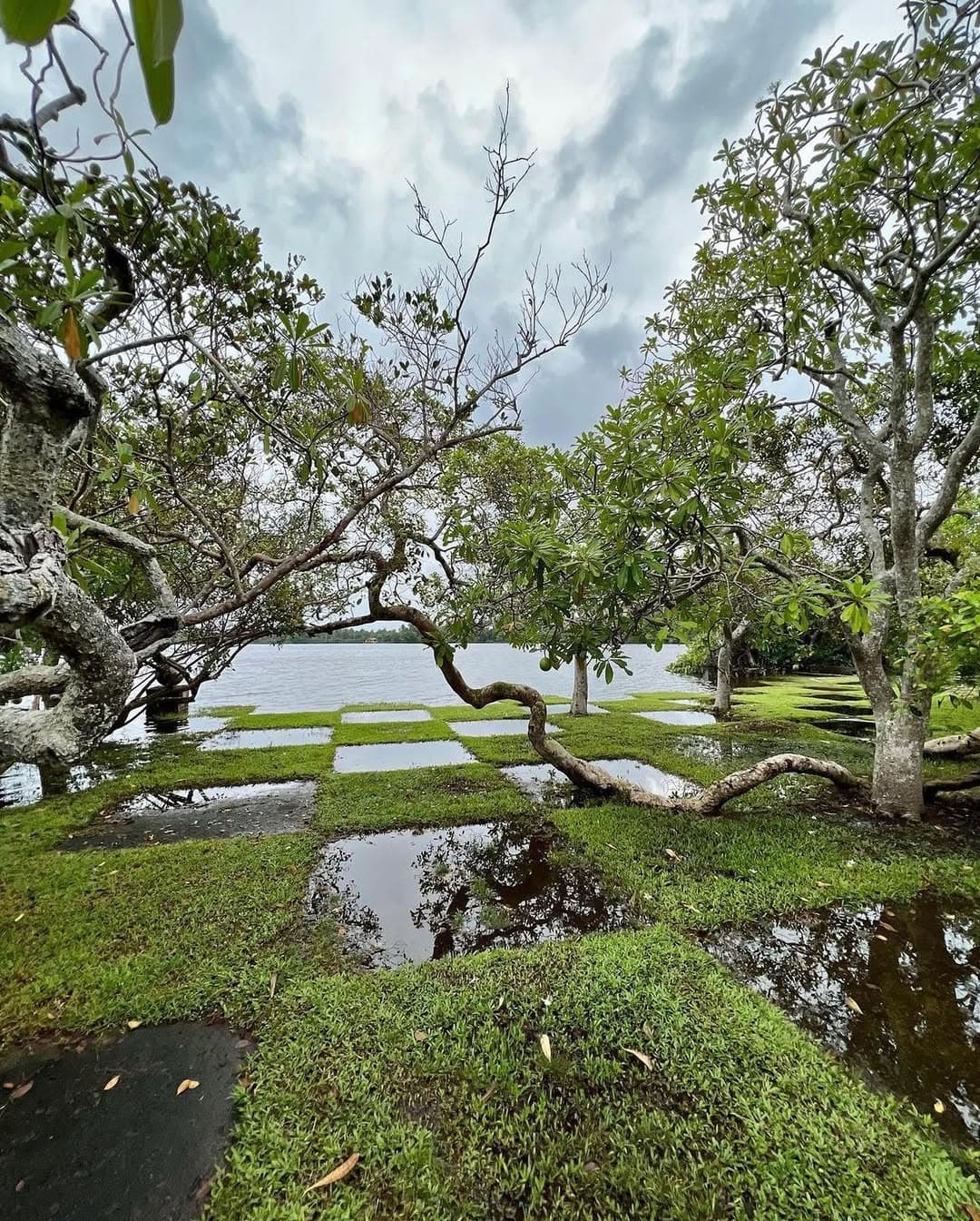
Perhaps the most famous feature of Lunuganga is the series of terraced lawns that appear to float above Dedduwa Lake. These geometric grass platforms, created by Bawa in the 1960s, represent one of the most photographed garden features in Asia.
What Makes Them Special:
- • Optical illusion of floating above water
- • Perfect proportions creating visual harmony
- • Framing of distant mountain views
- • Integration with natural lake shoreline
- • Seasonal changes in surrounding vegetation
Lunuganga is organized as a series of 'garden rooms' - distinct spaces with their own character and purpose, connected by carefully planned pathways that create a sense of journey and discovery. Each room offers different experiences and reveals new aspects of Bawa's design vision.
The Cinnamon Hill
The highest point offering panoramic views across the entire garden and lake. Features a pavilion perfect for sunset viewing and meditation.
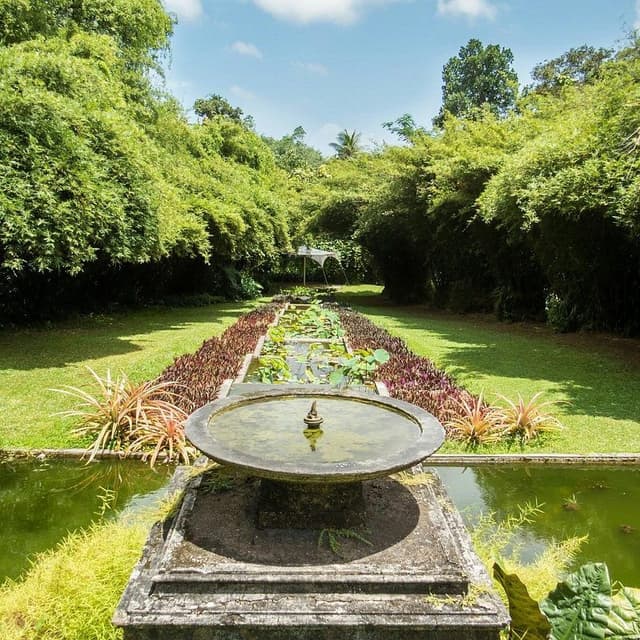
The Water Garden
Reflecting pools and water channels that mirror the sky and vegetation, creating a cooling microclimate in the tropical heat.
The Entrance Court
A formal arrival space featuring geometric patterns and specimen trees that frame the view toward the main house.
Beyond the main spaces, Lunuganga reveals intimate secret gardens and groves that Bawa created for quiet contemplation. These hidden areas showcase his mastery of creating intimate spaces within the larger landscape composition.
The Bamboo Grove
Filtered light through bamboo creating a natural cathedral effect
Frangipani Courtyard
Intimate space filled with fragrant trees and stone sculptures
The Palm Grove
Majestic coconut palms creating vertical drama
Bawa's genius is perhaps most evident in how he integrated water into every aspect of Lunuganga. From floating pavilions to stepped ghats, these water features create a seamless connection between the built environment and the natural lake.
Water Elements:
- • Floating dining pavilion over lake
- • Stone ghats leading into water
- • Reflection pools extending lake views
- • Wooden jetties for lake access
- • Lotus ponds with architectural features
Design Philosophy:
- • Water as extension of living space
- • Natural cooling through water features
- • Reflection to double garden views
- • Seasonal water level integration
- • Sound of water enhancing tranquility
Throughout Lunuganga, Bawa integrated sculptures and art pieces that complement the natural landscape. This careful curation of art objects creates surprising moments of discovery and adds layers of cultural meaning to the garden experience.
Ancient Sculptures
Historic Sri Lankan stone carvings placed in garden settings
Contemporary Art
Modern pieces by local and international artists
Architectural Elements
Decorative features that blur art and architecture
Optimal Seasons
December - March (Dry Season)
Perfect weather with minimal rain and comfortable temperatures. Gardens at their most lush after monsoon season.
July - September
Good weather with occasional showers that enhance the tropical atmosphere and keep temperatures moderate.
Daily Timing
Afternoon (2:00 - 5:00 PM)
Best lighting for photography and comfortable temperatures for walking. Gardens look magical in late afternoon light.
Early Morning (8:00 - 10:00 AM)
Peaceful atmosphere with bird activity and fresh morning air. Perfect for contemplative visits.
Best Photo Spots
- • Terraced Lawns: Iconic floating grass platforms
- • Main Veranda: Architecture framing lake views
- • Cinnamon Hill: Panoramic garden overview
- • Water Garden: Reflections and symmetry
- • Entrance Court: Geometric patterns and textures
Technical Tips
- • Golden Hour: 4-6 PM for warm, soft lighting
- • Wide Angle: Capture spatial relationships
- • Detail Shots: Architectural elements and textures
- • Reflections: Use water features for mirror effects
- • Composition: Frame views as Bawa intended
📸 Photography Etiquette: While photography is encouraged, please be respectful of other visitors and the peaceful atmosphere. Some interior spaces may have restrictions, so always ask permission.
Explore More in the Bentota Area
Created by Geoffrey Bawa's brother Bevis, this artistic garden features sculptures, exotic plants, and whimsical design elements in a more intimate setting.
Distance: 10km from Lunuganga
One of Sri Lanka's most beautiful beaches, perfect for relaxation after your garden visit. Offers water sports, seafood restaurants, and sunset viewing.
Distance: 5km from Lunuganga
Learn about sea turtle conservation and see baby turtles being cared for before their release into the ocean. Great family-friendly activity.
Distance: 15km from Lunuganga
Before You Go
- • Book your visit at least 24 hours in advance
- • Read about Geoffrey Bawa's work for better appreciation
- • Check weather conditions and dress appropriately
- • Bring cash for entry fees and tips
- • Charge your camera/phone batteries fully
During Your Visit
- • Follow your guide's instructions and stay on pathways
- • Take time to sit and observe each garden room
- • Ask questions about design principles and plant selection
- • Respect the peaceful atmosphere and other visitors
- • Purchase books or souvenirs to support the estate
Experience the Magic of Lunuganga
Lunuganga is more than just a garden - it's a masterclass in how human creativity can enhance and celebrate the natural world. Geoffrey Bawa's vision continues to inspire architects, landscape designers, and garden lovers from around the globe, making this one of the most important cultural sites in Sri Lanka.