Mahiyanganaya
Sacred Site of Lord Buddha's First Visit to Sri Lanka
Welcome to Mahiyanganaya: Sacred Site of Lord Buddha's First Visit
Mahiyanganaya holds the profound distinction of being the first place in Sri Lanka visited by Lord Buddha, making it one of the most sacred Buddhist pilgrimage sites on the island. This ancient town in the Uva Province is steeped in 2,500 years of Buddhist history and surrounded by pristine natural beauty that has remained largely unchanged through the centuries.
Far from the tourist crowds, Mahiyanganaya offers visitors an authentic glimpse into Sri Lanka's spiritual heart and rural life. Here, ancient traditions live on, sacred sites inspire reverence, and the natural landscape provides a serene backdrop for reflection and discovery. This hidden gem represents the essence of Sri Lankan Buddhism and cultural heritage.
Mahiyangana Raja Maha Vihara: Sacred Site of Lord Buddha's First Visit
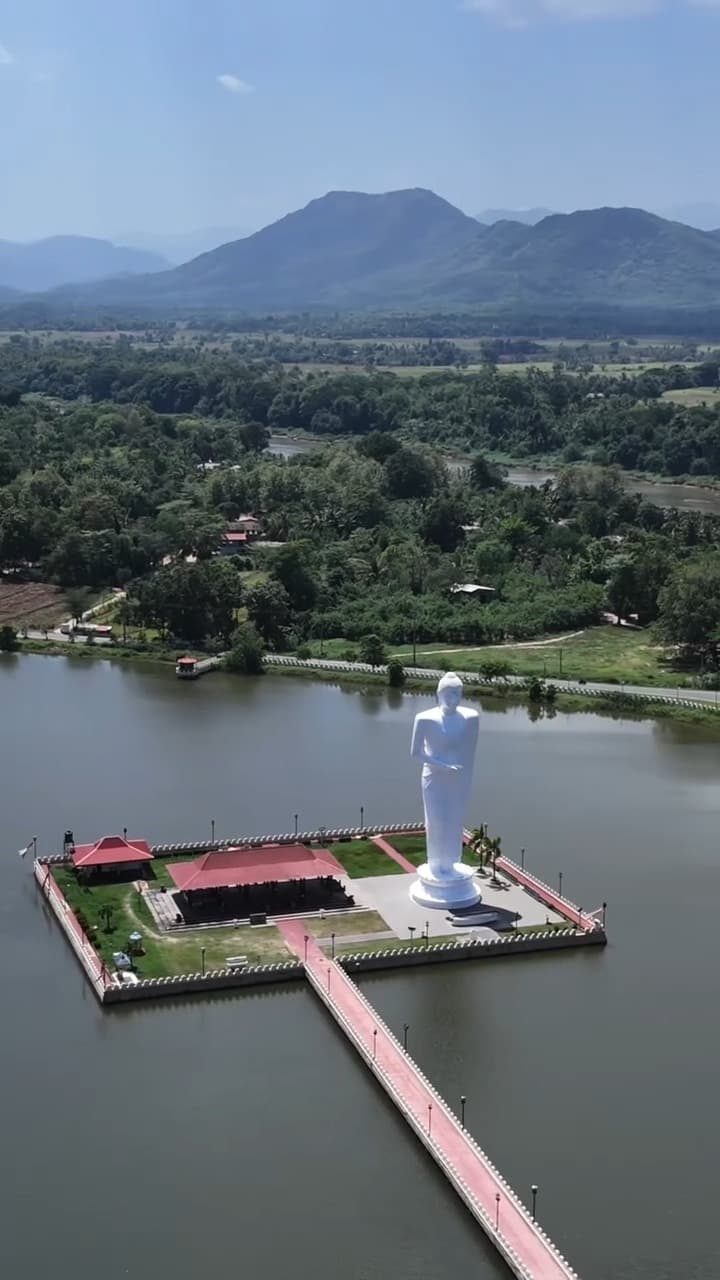
According to the Mahavamsa (the Great Chronicle of Sri Lanka) and Dipavamsa, Lord Buddha visited Mahiyanganaya during the ninth month after his enlightenment, making it the first place in Sri Lanka blessed by his presence. This momentous visit occurred approximately 2,544 years ago, predating even the arrival of Buddhism to many other parts of Asia.
The Buddhist chronicles describe how Buddha came to this location to settle a conflict between the local tribes the Yakkhas (Yakshas) and the Nagas who inhabited the area. At that time, the region was ruled by the Yaksha chief Mahasumana. Through his divine presence and teachings, Buddha brought peace between the warring tribes and established harmony in the land. Witnessing the Buddha's power and wisdom, Chief Mahasumana became a devoted follower.
Before departing, Lord Buddha gave a lock of his hair to Chief Mahasumana as a sacred relic. The chief enshrined this precious relic in a golden casket and built the original dagoba (stupa) on this very spot, marking the beginning of Buddhist architecture in Sri Lanka. This makes Mahiyangana Raja Maha Vihara one of the 16 holiest Buddhist pilgrimage sites (Solosmasthana) in the country.
🔸 The Sacred Dagoba (Stupa)
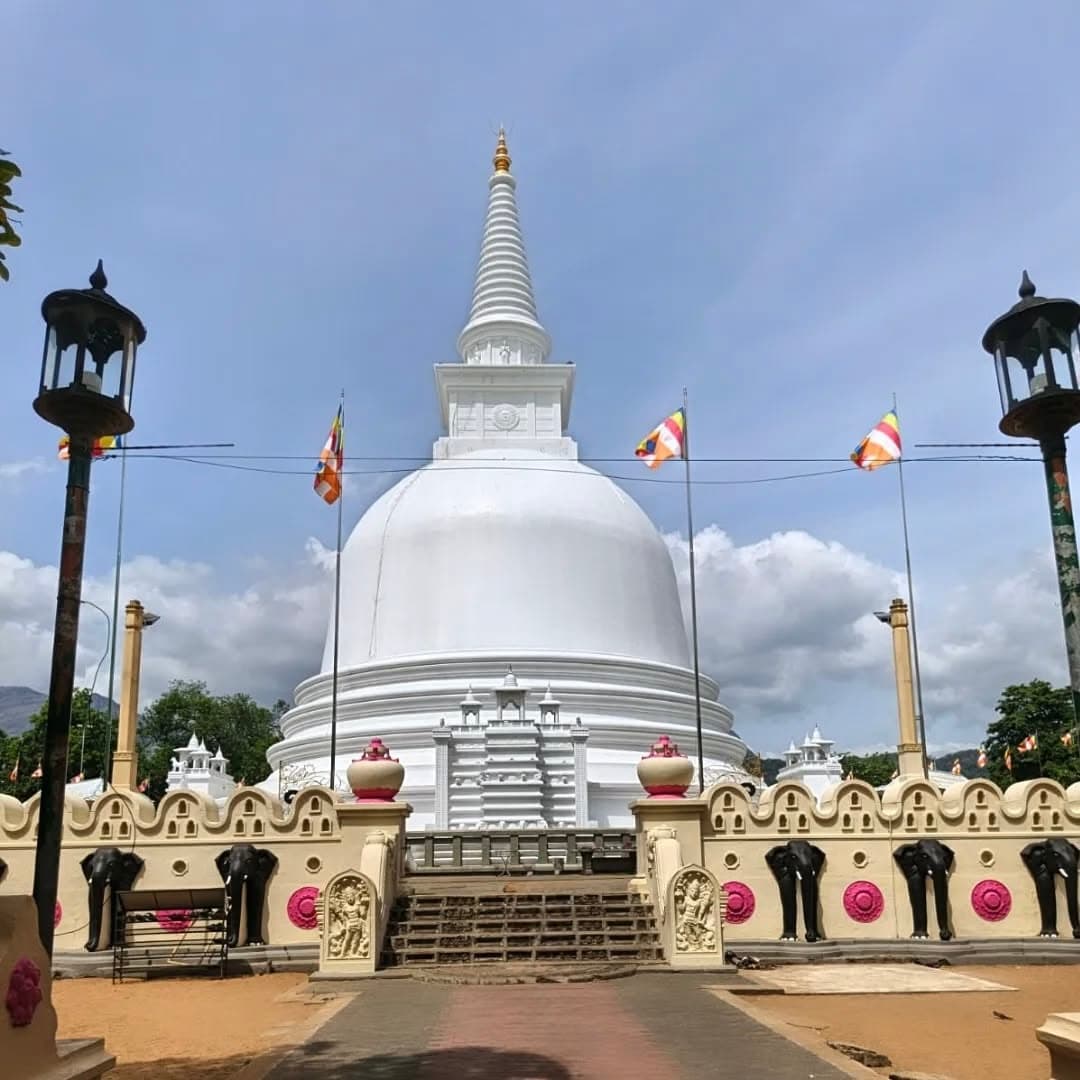
The magnificent golden stupa stands as the centerpiece, housing Lord Buddha's hair relic. The current structure has been renovated multiple times, with major reconstructions by King Dutugemunu (161-137 BCE) and King Bhatikabhaya (20 BCE - 9 CE). The stupa follows the traditional "heap of paddy" design (Garbha style) and gleams brilliantly in the tropical sun.
🔸 The Sacred Bo Tree
A descendant of the Jaya Sri Maha Bodhi tree in Anuradhapura (itself descended from the original Bodhi tree in Bodh Gaya, India), this ancient Bo tree is a focal point for meditation and worship.
🔸 Image House & Museum
The temple houses beautiful Buddha statues, ancient murals depicting Jataka tales, and a small museum displaying archaeological artifacts discovered in the area, including pottery and coins from various historical periods.
🔸 Daily Ceremonies
The temple conducts three daily puja ceremonies (morning, noon, and evening) where devotees offer flowers, incense, and oil lamps. The evening ceremony is particularly atmospheric with chanting monks.
Visitor Information:
- • Entry: Free (donations welcome)
- • Dress Code: Modest attire, covered shoulders and knees
- • Photography: Allowed in courtyard, restricted inside shrine rooms
- • Best Time: Early morning or evening for ceremonies
- • Duration: 1-2 hours for respectful visit
- First of Three Visits: Lord Buddha visited Sri Lanka three times according to the Mahavamsa. Mahiyanganaya was the first (to settle a conflict between Yakkhas and Nagas), followed by Nagadeepa (to settle a dispute between two Naga kings over a gem-studded throne), and Kelaniya (by invitation of King Maniakkika).
- Royal Patronage: The temple received patronage from nearly all ancient Sinhalese kings, including Devanampiya Tissa, Dutugemunu, and Parakramabahu I, who each made significant contributions.
- Esala Perahera: The temple holds an annual Esala procession (July/August) featuring traditional dancers, drummers, and decorated elephants, though smaller in scale than Kandy's famous perahera.
- Archaeological Discoveries: Excavations around the temple have unearthed artifacts dating back to 3rd century BCE, including ancient coins, pottery, and stone inscriptions in early Brahmi script.
- Yaksha Connection: The name "Mahiyangana" is believed to derive from "Maha Yakshangana," meaning "the great Yaksha assembly," referring to the gathering where Buddha preached to the Yaksha tribes.
- Vedda Sacred Site: Even before Buddhism, this location was considered sacred by the indigenous Vedda people, and they continue to regard it with reverence to this day.
- Natural Spring: A natural spring near the temple is believed to have emerged during Buddha's visit and is considered to have healing properties by devotees.
- Poya Day Significance: On full moon (Poya) days, especially during Duruthu Poya (January), thousands of pilgrims visit to commemorate Buddha's first visit to the island.
Other Sacred Sites & Attractions
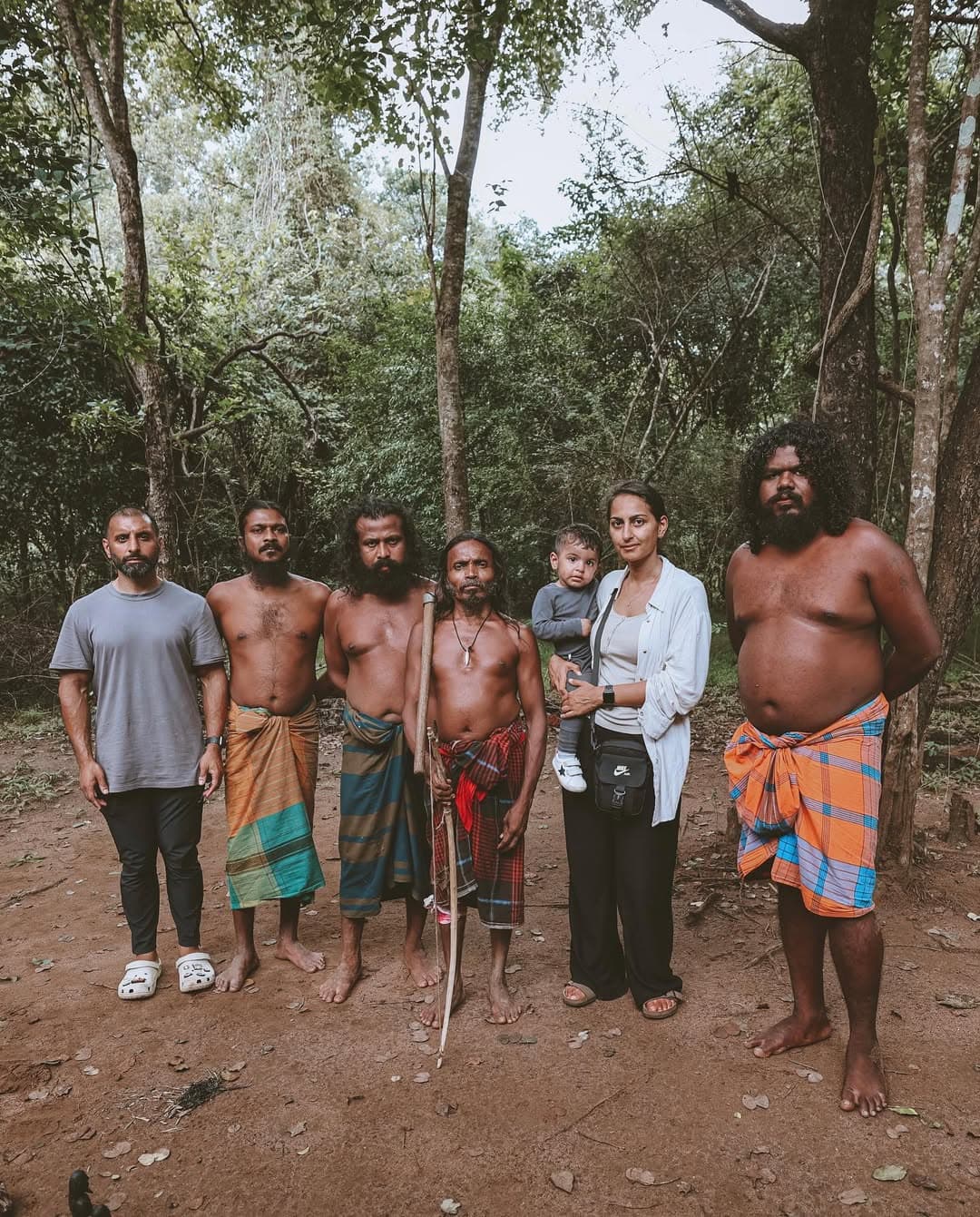
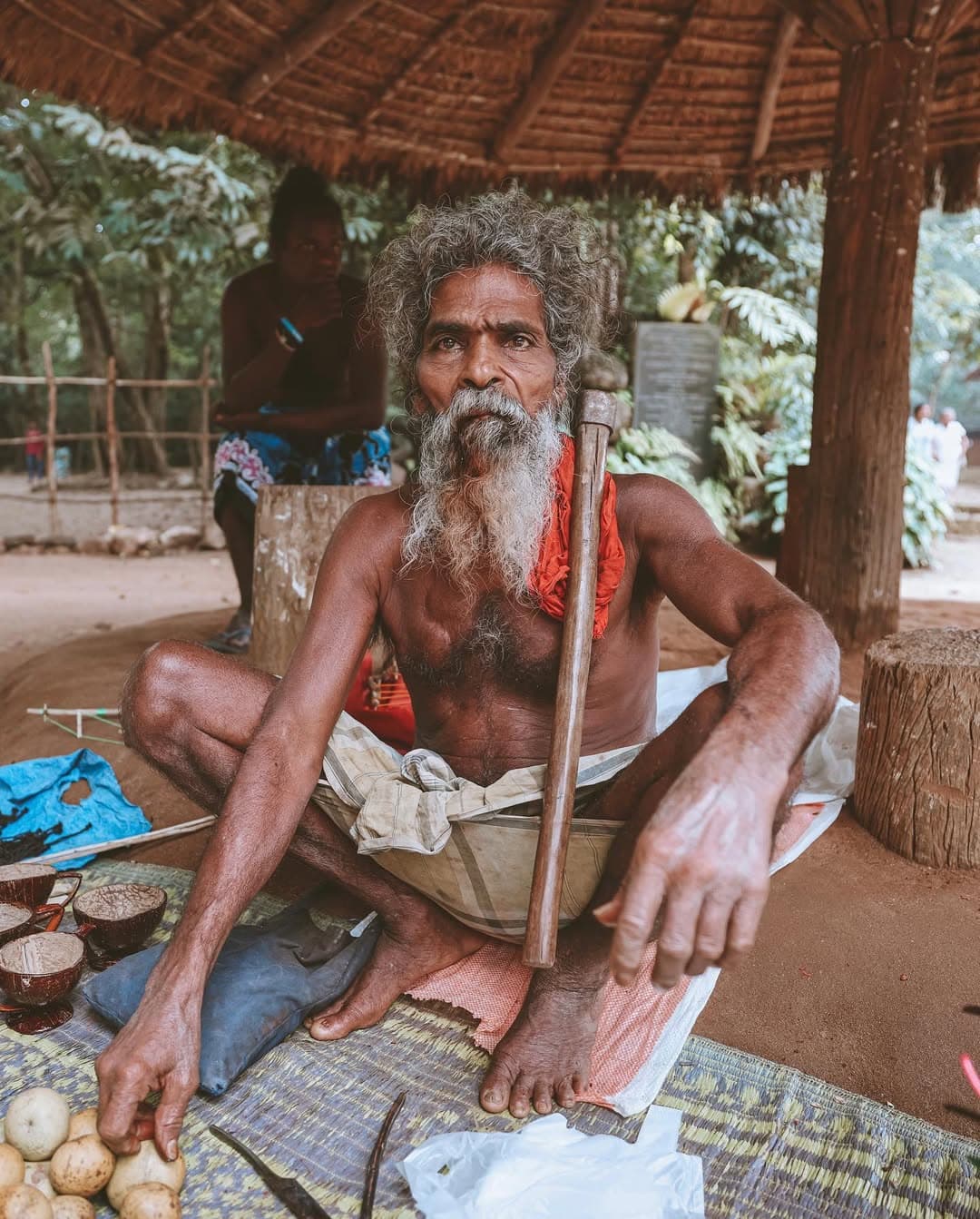
Located near Mahiyanganaya, Dambana is home to the Vedda people, Sri Lanka's indigenous community. This authentic village experience offers insights into ancient traditions, hunting practices, and a way of life that has remained unchanged for thousands of years.
- Authentic indigenous Vedda culture
- Traditional hunting and gathering demonstrations
- Ancient language and customs preservation
- Unique cultural exchange opportunity
Nagadeepa Purana Rajamaha Viharaya is an ancient Buddhist temple in the Mahiyanganaya area. According to local legends and traditions, this temple is believed by some to date back to the time of King Dutugemunu (161-137 BCE). The temple holds a unique place in local Buddhist heritage, with some devotees believing it may be connected to Lord Buddha's second visit to settle the dispute between the Naga kings Chulodara and Mahodara, though the temple in Jaffna is the officially recognized Nagadeepa site.
Note: The Nagadeepa Rajamaha Viharaya (Nainativ) in Jaffna (Northern Province) is the officially recognized site among the 16 sacred Buddhist pilgrimage sites (Solosmasthana) where Lord Buddha visited on his second visit to settle the dispute between the two Naga kings, Chulodara and Mahodara, over a gem-studded throne. This Mahiyanganaya temple, while ancient and significant in its own right, represents a local tradition and alternative belief.
- Ancient temple with local historical significance
- Part of Mahiyanganaya's Buddhist heritage
- Traditional architecture and religious artifacts
- Peaceful meditation grounds and Bo tree
- Quiet, authentic spiritual atmosphere
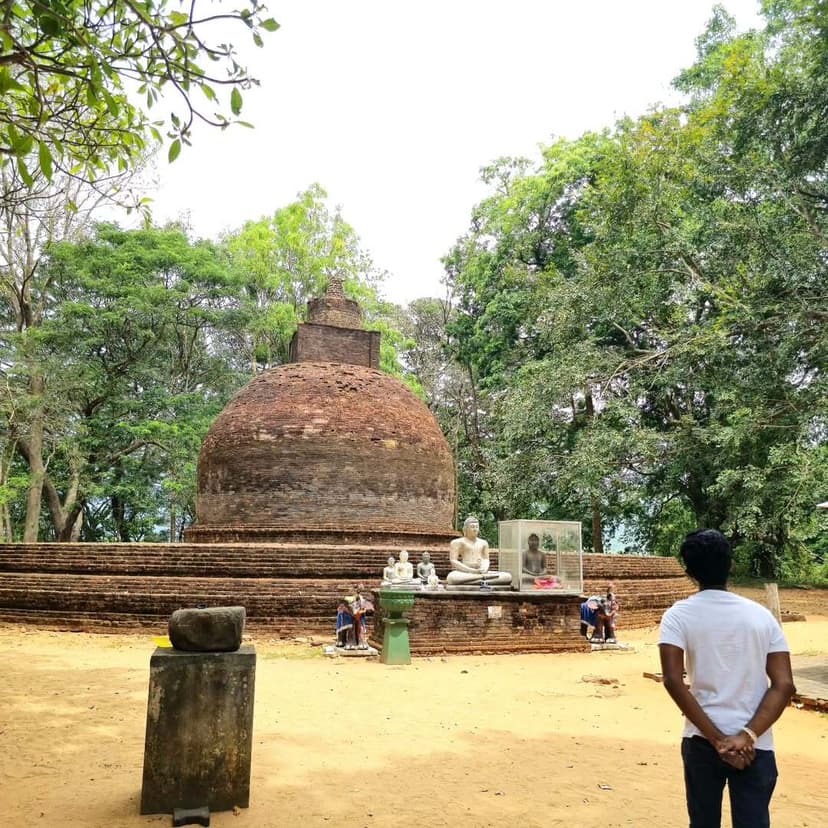
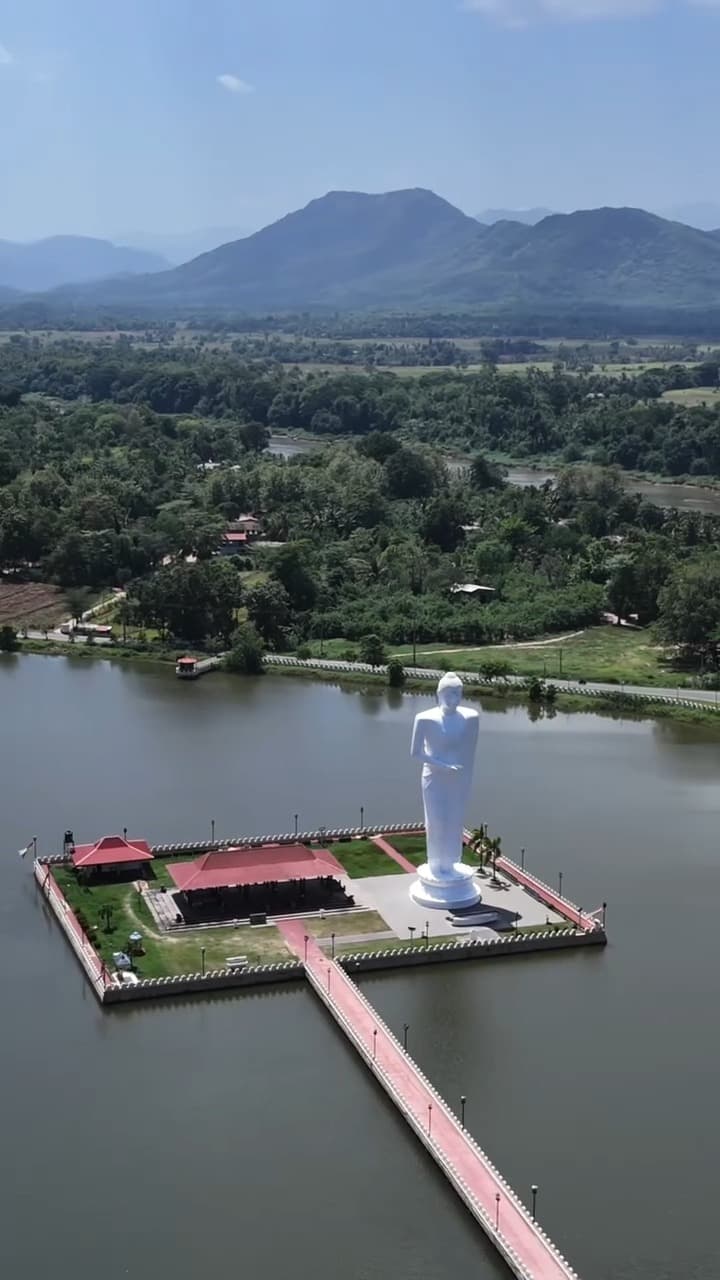
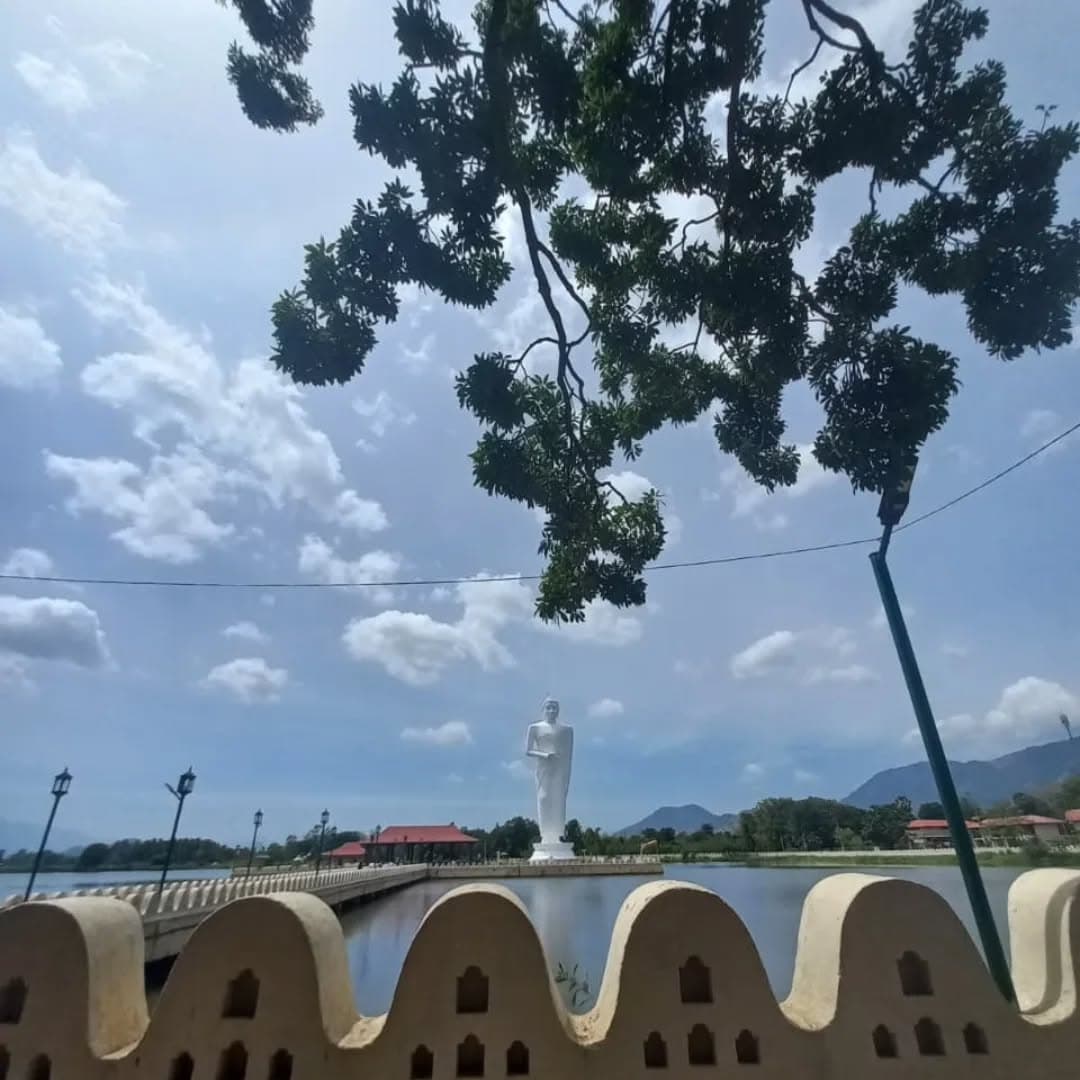
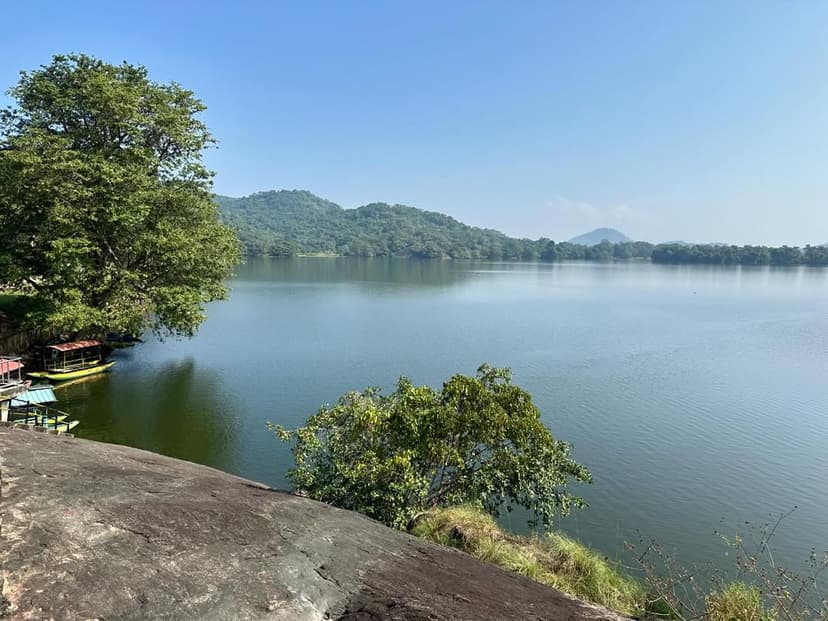
Built during the reign of King Dutugemunu (161-137 BCE), Sorabora Wewa is one of Sri Lanka's ancient irrigation masterpieces. This scenic reservoir not only showcases ancient engineering skills but also provides a peaceful setting surrounded by lush greenery and wildlife.
- Ancient irrigation system from 2nd century BCE
- Beautiful lake surrounded by nature
- Bird watching and wildlife spotting
- Peaceful setting for reflection and photography
Natural Beauty & Outdoor Experiences
Scenic Mountain Views
Surrounded by rolling hills and pristine forests offering spectacular panoramic views.
Nature Trails
Explore forest paths and mountain trails with opportunities for wildlife spotting.
Waterfall Excursions
Discover hidden waterfalls and natural pools in the surrounding wilderness.
Village Life
Experience authentic rural Sri Lankan life with farming communities and traditional practices.
Agricultural Tours
Learn about traditional farming methods and participate in seasonal agricultural activities.
Local Crafts
Observe traditional handicrafts and pottery making by local artisans.
Pilgrimage & Spiritual Journey
Spiritual Practices
- • Participate in daily temple ceremonies
- • Meditation sessions in peaceful surroundings
- • Offering flowers and prayers at the stupa
- • Learning about Buddhist teachings and history
Pilgrimage Guidelines
- • Dress modestly with covered shoulders and legs
- • Remove shoes before entering temple buildings
- • Maintain respectful silence during ceremonies
- • Photography restrictions in certain sacred areas
Weather & Best Time to Visit
- • Clear skies and minimal rainfall
- • Perfect for temple visits and hiking
- • Comfortable temperatures (22-28°C)
- • Best for outdoor activities
- • Ideal pilgrimage conditions
- • Occasional light showers
- • Lush green landscapes
- • Fewer visitors, peaceful atmosphere
- • Good for cultural experiences
- • Pleasant weather overall
- • Higher rainfall and humidity
- • Vibrant green surroundings
- • Waterfalls at their most spectacular
- • Fewer tourists, authentic experience
- • Some outdoor activities limited
Mahiyanganaya offers a profound spiritual journey that connects visitors with the very roots of Buddhism in Sri Lanka. This sacred town provides an authentic experience far from commercial tourism, where ancient traditions, natural beauty, and spiritual significance create unforgettable memories.
Whether you come as a pilgrim seeking spiritual enlightenment, a history enthusiast exploring ancient sites, or a nature lover discovering pristine landscapes, Mahiyanganaya welcomes you with open arms and timeless wisdom. Take time to absorb the peaceful atmosphere and connect with the sacred energy that has drawn visitors for over 2,500 years.
Discover the sacred heart of Sri Lanka! 🙏⛩️