
Sri Lankan Elephants
The Gentle Giants of Asia
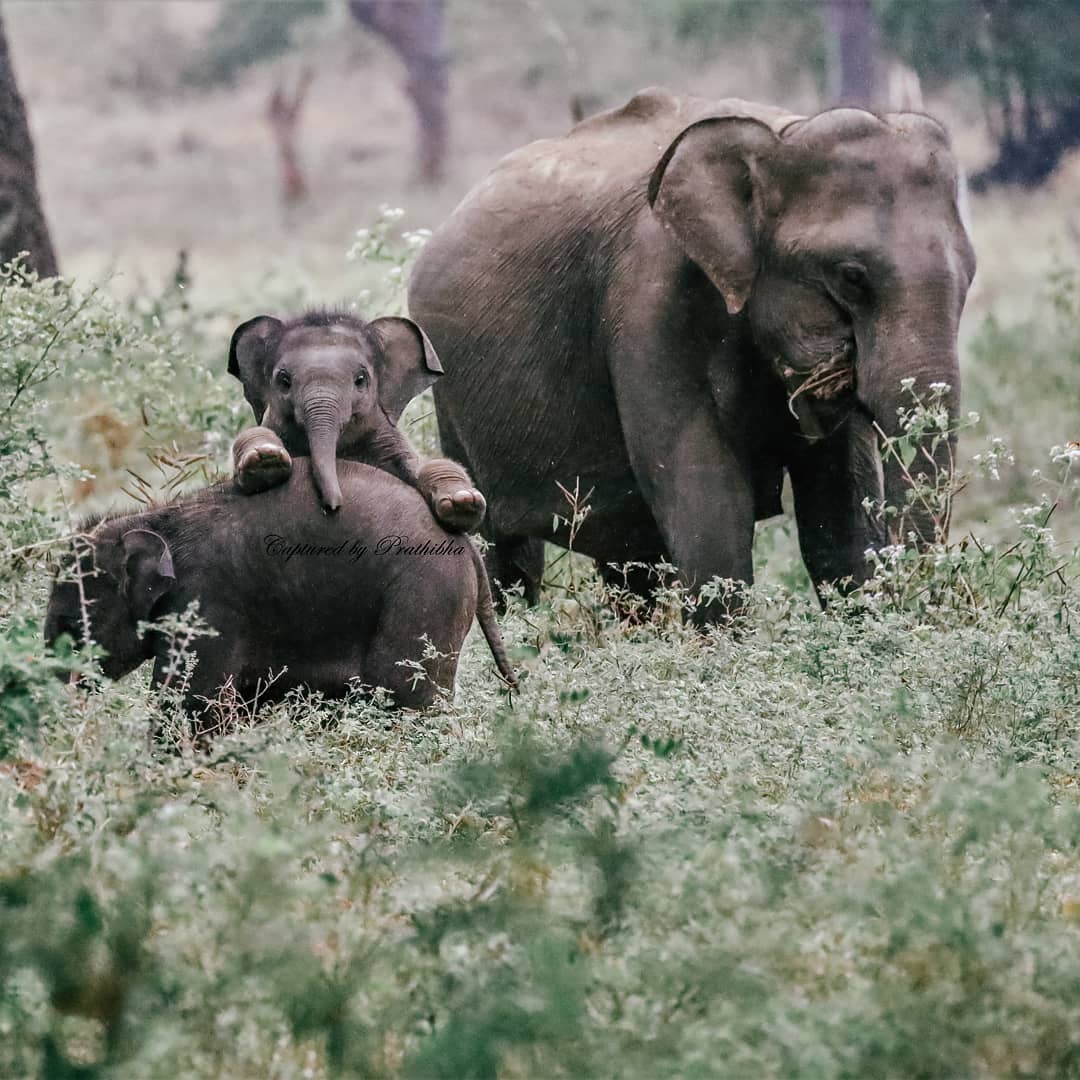
A family of Sri Lankan elephants in Yala National Park
Quick Facts
Species of Elephants in the World
First of all, let's take a brief look at the elephant species in the world. If you only know African and Asian elephants as the species of elephants, you are partially correct. Actually, there are three species of elephants: African savanna elephants, African forest elephants, and Asian elephants.
- African Savanna Elephant (Loxodonta africana): The largest land animal on Earth, known for its large ears and tusks.
- African Forest Elephant (Loxodonta cyclotis): Smaller than the savanna elephant, adapted to life in dense forests.
- Asian Elephant (Elephas maximus): Found in various parts of Asia, including Sri Lanka, known for its smaller ears and domed head.
Asian Elephants have a few subspecies like Sri Lankan elephant (Elephas maximus maximus), Indian Elephant (Elephas maximus indicus), and Sumatran Elephant (Elephas maximus sumatranus).
About Sri Lankan Elephants
Sri Lankan elephants are a special type of Asian elephant that live only in Sri Lanka. They are the largest animals on the island and are bigger than any other subspecies of Asian elephants. They are also very important to Sri Lankan culture and nature. These gentle giants have lived in Sri Lanka for thousands of years and are loved by people all over the world.
Scientists call them "Elephas maximus maximus" which means they are the biggest type of Asian elephant. They are different from African elephants because they are smaller and have smaller ears. Only some male Sri Lankan elephants have tusks, while most females do not have them at all.
Size and Physical Features
Height
8-10 feet (2.5-3 meters)
Weight
4,000-5,500 kg (8,800-12,100 lbs)
- •Skin: Thick, gray skin with patches of pink on ears, trunk, and face
- •Ears: Smaller than African elephants, shaped like the island of Sri Lanka
- •Trunk: Very strong with 40,000 muscles, used for breathing, drinking, and picking things up
- •Tusks: Only some males have tusks, most females do not
- •Feet: Big, round feet with soft pads that help them walk quietly
Lifespan and Life Cycle
Average Lifespan
60-70 years in the wild
Baby Elephant (0-2 years)
Baby elephants are called calves. They weigh about 100 kg when born and stay very close to their mothers. They drink milk for the first 2 years and learn everything from their family.
Young Elephant (2-15 years)
Young elephants learn to find food and water. They play with other young elephants and practice important skills they will need when they grow up.
Adult Elephant (15-50 years)
Adult elephants can have babies and are fully grown. Males often live alone or in small groups, while females stay with their family groups.
Old Elephant (50+ years)
Older elephants are very wise and help lead their families. They know where to find water during dry times and remember important paths through the forest.
Behavior and Family Life
Family Groups
Led by the oldest female
Group Size
5-20 elephants
Amazing Elephant Facts:
- •Elephants are very smart and can remember things for many years
- •They can feel sad when a family member dies and may visit the bones
- •Baby elephants can walk within hours of being born
- •They make many different sounds to talk to each other, including sounds we cannot hear
- •Elephants can swim very well and love to play in water
- •They sleep only 3-4 hours per day, mostly while standing up
Where They Live and What They Eat
Habitat
Forests and grasslands
Water Needs
150-200 liters per day
Diet and Feeding:
- •Elephants eat plants only (they are herbivores)
- •They eat 150-300 kg of food every day
- •Favorite foods include grass, leaves, bark, fruits, and roots
- •They spend 16-18 hours a day looking for food and eating
- •They help plant new trees by spreading seeds in their droppings
Important Places in Sri Lanka:
Kaudulla National Park
One of the best places to see wild elephants in Sri Lanka
Udawalawe National Park
Famous for large elephant herds
Minneriya National Park
Home to "The Gathering" - hundreds of elephants
Protecting Sri Lankan Elephants
Conservation Status: Endangered
There are only about 7,500 Sri Lankan elephants left in the wild. They need our help to survive.
Why Elephants Are In Danger:
- •People cut down forests to build houses and farms
- •Elephants and people sometimes fight when elephants look for food in villages
- •Some people hunt elephants for their tusks
- •Climate change affects their food and water sources
How We Can Help:
- •Support national parks and wildlife protection
- •Visit elephants in their natural homes (eco-tourism)
- •Learn about elephants and teach others
- •Support organizations that help elephants
- •Never buy things made from elephant tusks
Elephants in Sri Lankan Culture
Elephants are very special in Sri Lankan culture. They appear in religious festivals, on money, and in many stories. The most famous elephant festival is the Esala Perahera in Kandy, where decorated elephants carry sacred items in a beautiful parade.
Cultural Importance:
- •Symbol of power, wisdom, and good luck
- •Important in Buddhist and Hindu religions
- •Featured in traditional art, stories, and dances
- •Represent the connection between humans and nature