
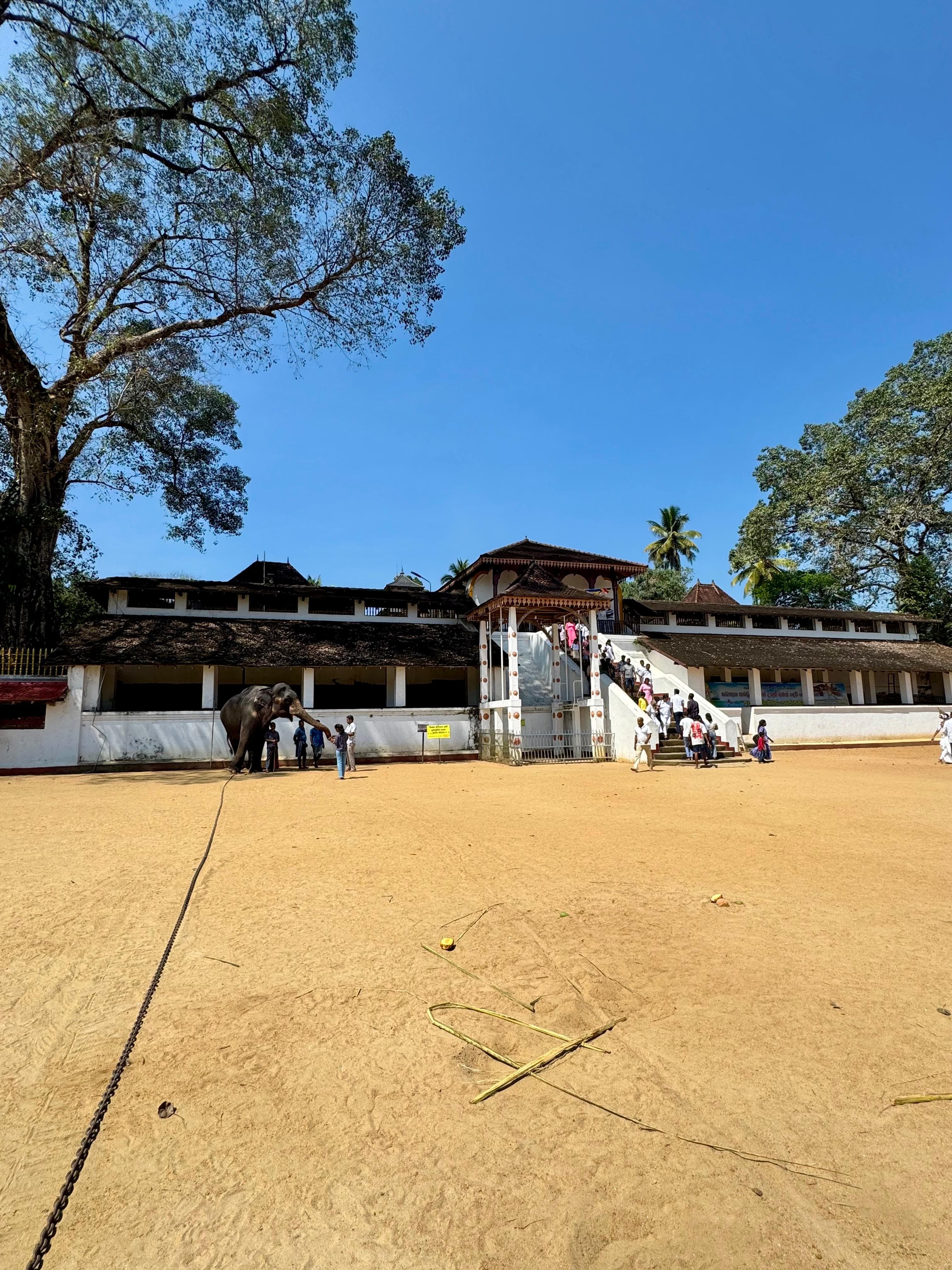
Sri Sumana Saman Devalaya
Sacred Shrine of the Mountain Guardian
Welcome to Saman Devalaya: Where Devotion Meets Legend
Saman Devalaya stands as one of Sri Lanka's most revered Hindu-Buddhist shrines, dedicated to God Saman, the guardian deity of Adam's Peak (Sri Pada). Located in Ratnapura, the City of Gems, this ancient temple draws thousands of pilgrims annually who seek blessings before ascending the sacred mountain.
The shrine represents a unique fusion of Hindu and Buddhist traditions, reflecting Sri Lanka's rich spiritual heritage. Pilgrims from across the island visit throughout the year, with peak crowds during the pilgrimage season from December to May when devotees journey to Adam's Peak. The temple complex features vibrant murals, intricate carvings, and a powerful spiritual atmosphere that captivates both believers and cultural enthusiasts.
Did you know?
God Saman is believed to be the deity who protects Adam's Peak and guides pilgrims safely up and down the mountain. According to legend, Saman was a king who achieved divine status through his devotion and service. The deity is unique to Sri Lanka and represents the island's syncretic religious traditions—he is worshipped by both Buddhists and Hindus. Many pilgrims offer prayers at Saman Devalaya before beginning their climb to Sri Pada, seeking protection and blessings for a safe journey. The temple houses ancient artifacts including bronze statues, ceremonial drums, and historical inscriptions dating back several centuries.

Travelling from the UK?
Compare insurance prices →
Private Transfer (Recommended)
- • From Colombo: 3-4 hours (100km)
- • From Kandy: 2.5-3 hours (75km)
- • Cost: $50-80 USD from Colombo
- • Most comfortable option
- Book with Ceylanka Tours for reliable private transfers with experienced drivers who know the mountain roads well!
Bus
- • From Colombo: Regular buses from Bastian Mawatha
- • Duration: 3.5-4.5 hours
- • Cost: $2-4 USD
- • Frequent departures throughout the day
From Ratnapura Bus Station
- • 5-10 minute walk to temple
- • Tuk-tuk: LKR 200-300 (less than $1 USD)
- • Temple is centrally located in town
🌟 Tip: Visit during pilgrimage season (December-May) to experience the full devotional atmosphere, but expect larger crowds.
The Legend of God Saman
According to ancient chronicles, God Saman was originally a righteous king named Saman who ruled a kingdom in the Sabaragamuwa region. Through his exceptional devotion to Buddhism and service to his people, he attained divine status after his death. The Buddha himself is said to have appointed Saman as the guardian deity of Sri Pada (Adam's Peak), one of Buddhism's most sacred sites.
Syncretic Worship Tradition
What makes Saman Devalaya unique is its dual religious identity. While God Saman is rooted in Buddhist tradition, the deity is also worshipped by Hindus who identify him with various Hindu gods. This religious harmony reflects Sri Lanka's centuries-old tradition of peaceful coexistence between different faiths. The temple architecture, rituals, and festivals incorporate elements from both Hindu and Buddhist practices.
Historical Importance
The current Saman Devalaya structure dates back several centuries, though the site has been a place of worship for much longer. Historical records indicate that ancient kings made royal visits to the shrine, offering valuable gifts and supporting temple maintenance. The temple has survived numerous challenges including colonial periods and natural disasters, standing as a testament to enduring faith.
- Houses ancient bronze statues and ceremonial artifacts
- Contains historical inscriptions in ancient Sinhala script
- Preserves traditional Kandyan-era temple architecture
- Main pilgrimage stop before ascending Adam's Peak
Exploring the Temple Complex


The main shrine houses the principal statue of God Saman, depicted in royal attire with traditional ornaments. The deity is usually shown seated on a throne, holding symbolic objects representing protection and blessing. Devotees offer flowers, incense, and oil lamps while priests conduct daily puja ceremonies.
- Daily puja ceremonies at dawn and dusk
- Devotees can participate in offering rituals
- Photography inside the shrine is usually restricted
- Modest dress code required (covering shoulders and knees)
The temple showcases classic Kandyan architectural elements including wooden pillars with intricate carvings, colorful painted ceilings, and detailed murals depicting stories from Buddhist and Hindu mythology. The artwork illustrates episodes from God Saman's life and various legends associated with Adam's Peak.
- Traditional wood carvings on pillars and doorways
- Colorful murals depicting religious stories
- Kandyan-era architectural features
- Ceremonial drums and ancient artifacts on display


The ceremonial hall is where devotees gather for special rituals, particularly before beginning their Adam's Peak pilgrimage. Visitors can purchase traditional offerings including coconuts, flowers, incense, and oil lamps from vendors near the temple entrance. Priests conduct blessing ceremonies upon request.
- Traditional offerings available for purchase nearby
- Special blessing ceremonies for pilgrims
- Prayer services conducted throughout the day
- Donation boxes for temple maintenance
Saman Devalaya Esala Perahera (July/August)
The temple's grandest festival occurs during the Esala full moon (July or August), mirroring the famous Kandy Esala Perahera. This multi-day celebration features traditional dancers, drummers, fire performers, and decorated elephants parading through Ratnapura's streets. The festival attracts thousands of devotees and showcases Sri Lanka's rich cultural heritage.
- Nightly processions with traditional dancers and drummers
- Decorated elephants carrying sacred caskets
- Fire dancers and whip crackers performing traditional arts
- Best viewing spots require early arrival (processions start around 8 PM)
Pilgrimage Season (December to May)
During the Adam's Peak pilgrimage season, the temple experiences its highest visitor numbers as thousands of pilgrims stop here to seek blessings before climbing the sacred mountain. Special ceremonies are conducted daily, and the temple remains open extended hours to accommodate the influx of devotees.
- Peak season: December full moon to May full moon
- Extended temple hours during pilgrimage months
- Special blessing ceremonies for climbers
- Expect larger crowds on weekends and full moon days
Other Important Days
- Poya Days (Full Moon): Monthly religious observance with special ceremonies
- Vesak (May): Buddha's birthday celebration with decorations and lanterns
- New Year (April): Traditional Sinhala and Tamil New Year blessings
Dress Code & Behavior
- Cover shoulders and knees (no shorts, sleeveless tops)
- Remove shoes before entering temple buildings
- Remove hats and caps inside shrines
- Maintain respectful silence in prayer areas
- Ask permission before photographing priests or devotees
Practical Tips
- Visit early morning (6-8 AM) or evening (6-8 PM) for ceremonies
- Bring small bills for offerings and donations
- Parking available near the temple (may charge small fee)
- Local guides available to explain temple history
- Combine with visit to Ratnapura gem museums
What Else to Explore in Ratnapura
Ratnapura means "City of Gems" in Sinhala. Visit working gem mines and museums to see precious stones including sapphires, rubies, and cat's eye being extracted and polished. Many establishments offer tours explaining the gem mining process.
- Gemological Museum Ratnapura - educational exhibits
- Working gem mines with guided tours
- Gem shops with certified authentic stones
The sacred mountain rises 2,243 meters and features the Sri Pada (Sacred Footprint) at its summit. The pilgrimage route from Ratnapura (Palabaddala path) is one of the main climbing routes, taking 5-7 hours to reach the peak.
- Season: December to May
- Distance: 40km from Ratnapura to Palabaddala trailhead
- Most climbers start after midnight for sunrise
Not to be confused with the Ratnapura shrine, the ancient Maha Saman Devalaya is located in the village of Udasgiriya, about 12km from Ratnapura. This is considered the original and most important shrine to God Saman, with archaeological significance.
- Ancient temple with historical artifacts
- Peaceful rural setting
- Can be combined with Ratnapura temple visit
A beautiful waterfall shaped like a Bo leaf (sacred fig tree), located about 5km from Ratnapura. The falls drop approximately 30 meters and are surrounded by lush greenery, making it a popular picnic spot for locals.
- Easy access from Ratnapura town
- Swimming possible in calm seasons
- Small entrance fee collected
Where to Stay & Eat in Ratnapura
Budget (Under $30/night)
- • Guesthouses near town center
- • Basic hotels with clean rooms
- • Pilgrim rest houses (during season)
Mid-Range ($30-80/night)
- • Ratnaloka Tour Inns
- • Rest House Ratnapura
- • Hotels with modern amenities
Luxury ($80+/night)
- • Boutique hotels with gem-themed decor
- • Eco-lodges in surrounding hills
- • Heritage bungalows
Ratnapura offers authentic Sri Lankan cuisine with local specialties influenced by the region's multi-ethnic population.
Must-Try Dishes
- • Rice and curry with local vegetables
- • Fresh river fish preparations
- • Kiribath (milk rice) for breakfast
- • Kottu roti at street vendors
- • Traditional kola kanda (herbal porridge)
💡 Tip: Small restaurants near the temple serve excellent vegetarian meals. Try the local "hotel" (small eatery) for authentic budget-friendly food.
Peak Season (December - May)
Coincides with Adam's Peak pilgrimage season. Temple is busiest but offers the most vibrant spiritual atmosphere.
- ✓ Full religious ceremonies
- ✓ Best weather conditions
- ✗ Larger crowds
- ✗ Higher accommodation rates
Monsoon (May - September)
Southwest monsoon brings heavy rains. Fewer tourists but temple remains open for daily worship.
- ✓ Fewer crowds
- ✓ Lower prices
- ✗ Heavy rainfall
- ✗ Sri Pada climbing closed
Festival Time (July/August)
Esala Perahera festival offers spectacular cultural experience despite being monsoon period.
- ✓ Grand perahera processions
- ✓ Traditional performances
- ✗ Accommodation fills quickly
- ✗ Occasional rain
Experience the spiritual heart of Sri Lanka's Sabaragamuwa Province with a visit to Saman Devalaya. Whether you're a pilgrim seeking blessings before climbing Adam's Peak, a cultural enthusiast exploring Sri Lanka's religious traditions, or a traveler interested in authentic local experiences, this sacred shrine offers a profound connection to the island's spiritual heritage.
Recommended Itinerary
- • Morning: Visit Saman Devalaya (7-9 AM)
- • Mid-morning: Explore gem museums
- • Afternoon: Visit Bopath Ella waterfall
- • Evening: Return for evening puja ceremony
Combine With
- • Adam's Peak pilgrimage (seasonal)
- • Sinharaja Rainforest (30km)
- • Kitulgala adventure sports (40km)
- • Udawalawe National Park (70km)
Explore More Sacred Sites
Sacred mountain pilgrimage site, 40km from Ratnapura with the holy footprint at 2,243m summit.
Buddhist temple in Aluthgama featuring a massive 48.8m Buddha statue with Hindu devalas.
Ancient capital with sacred Buddhist sites including Sri Maha Bodhi tree and massive stupas.